Rewilding on the Himalayan Trails - Sagarmatha Immersion
Mother Mountain. Teach me to see like you do. Infuse me with information from your layers of growth. I want to feel every footstep that has touched your stone and plains. Whisper yor secrets in the wind, I am here to listen. I give myself fully to you as I enter your realms. Encode me, embrace me, endance me.
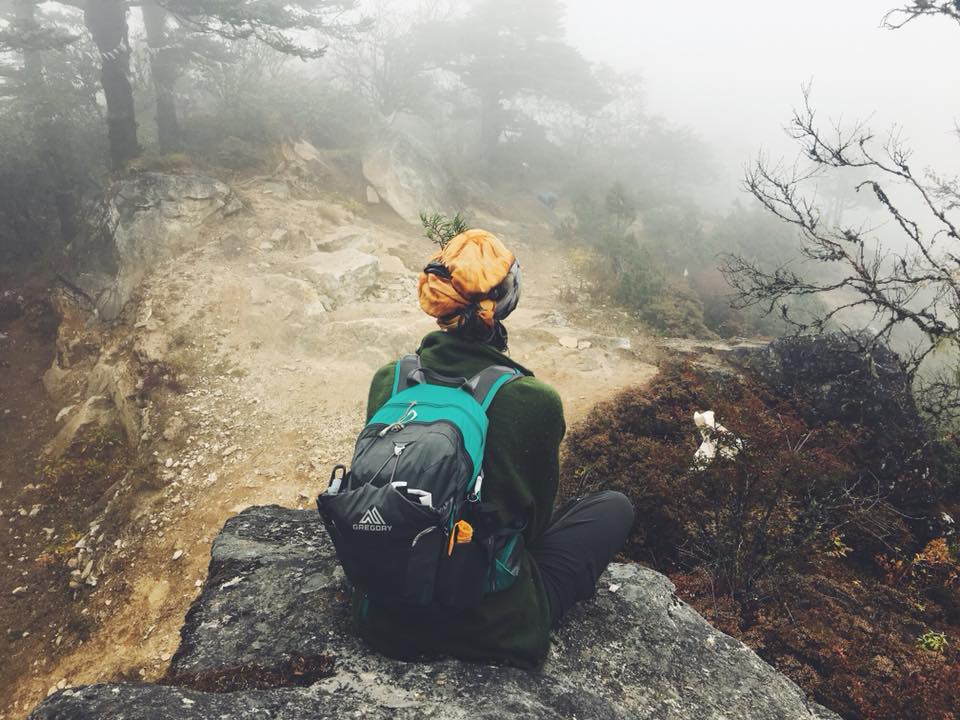
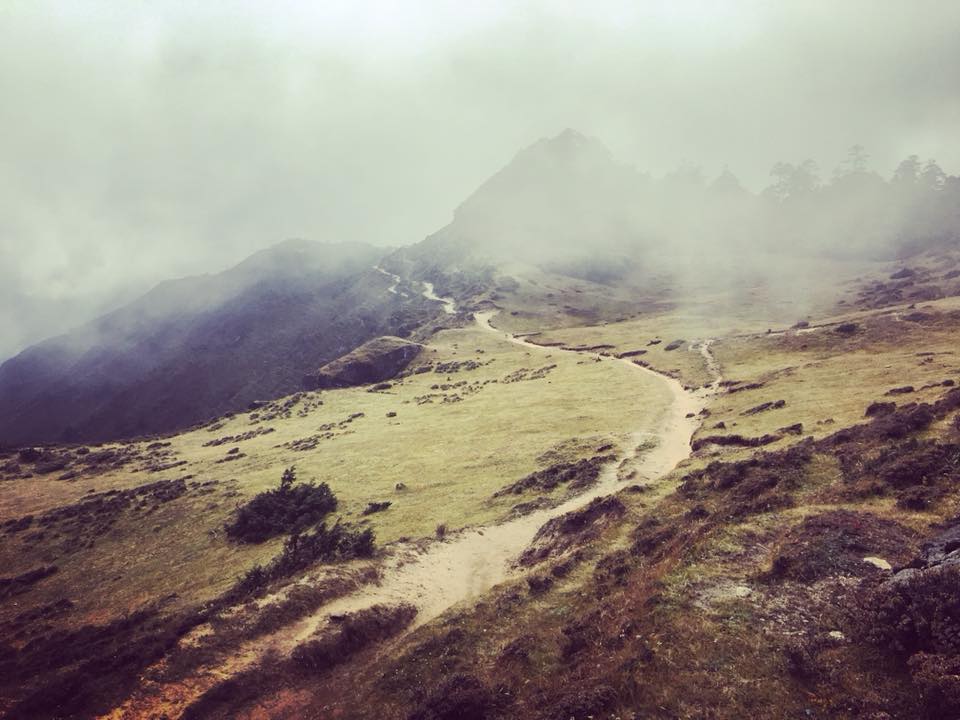
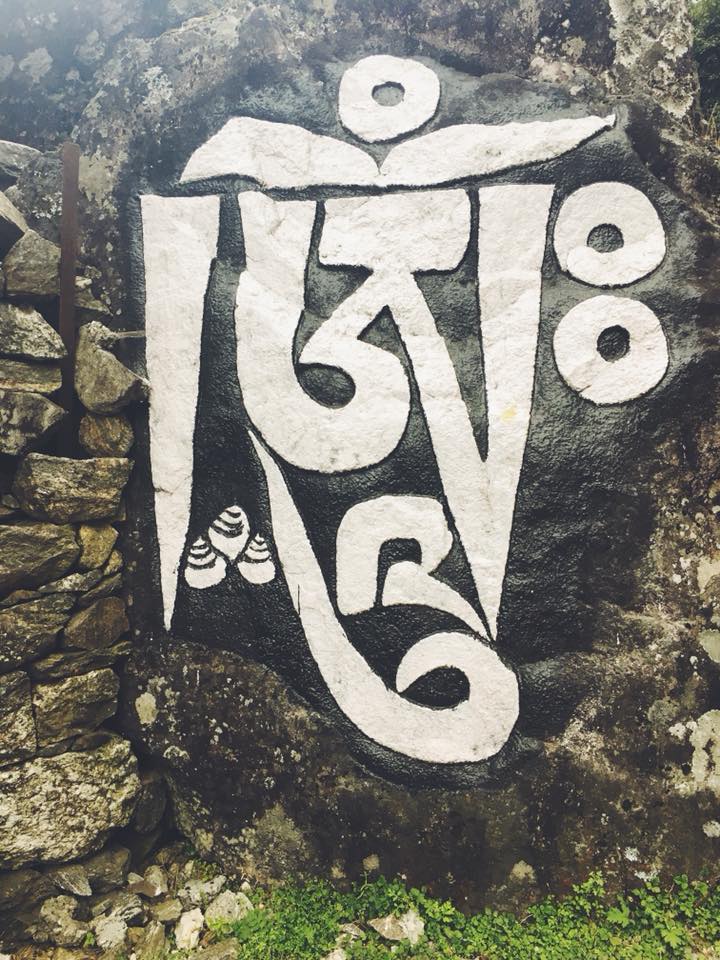
So goes the prayers as we move higher and higher, and the air gets thinner. Every breath becomes a reminder of the fragility of the ecological systems upholding our existence. The weather changes fast in the queendom of Sagarmatha. We are on top of the world, her mountains are like no others I have ever seen. They have appeared in my dreams and meditations, the white snake / seti nag and her wisdom.. The large rocks encarved with the om mani pade hum prayer. The message is simple - hail to the jewel in the lotus flower. From the depths of your existence, honour the sacred spark of light in your Self.
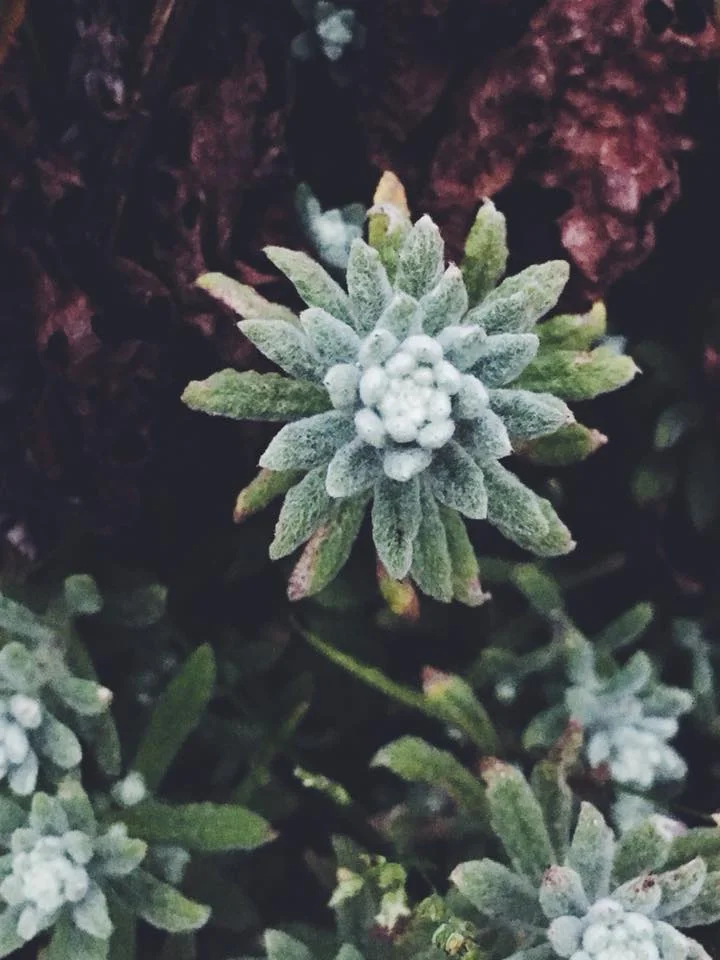
Even the flora speaks with familiar colours. Above the rainforests and humidity of the plains in the South, the struggle for survival is harder, but those plants who manage will enjoy the views of the arid Himalayan wilderness. A symphony of bluebells, røsslyng, rosehip, tindve, rogn and rhododendron slowly uncovering their autumn finest.
The elders living here still have a deep relationship with the spirits of the plants. I watch as the local shaman carefully caresses a juniper branch we will offer to the goddess. Close my eyes. Was this how Shiva felt when he became one with the mountains of Kailash? Opening the space between my cells and molecules, breathing with my whole being, becoming one with Her.
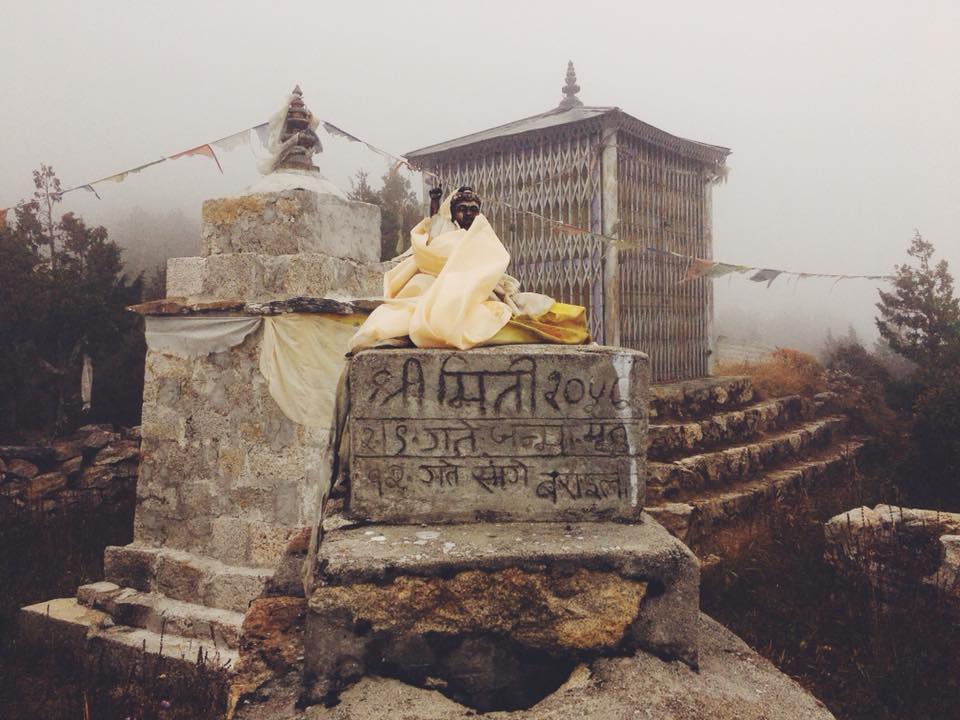
At one point I was standing in an amethyst-glowing Rhododendron forest as the moon rose over Tengboche Monastery at the foothills of Chumalungma. The silver grey stems of the sacred plant wove spirals around me, black crows danced on the remnant sunbeams, sweeping the goddess peaks in golden warmth. Feeling clean. Pure.
I know these paths, I have walked them before. I have taken in the aroma of warm sand blended with dry pine throughout my childhood in Norway. I recognize the sound of the yak bells and the murmurs of Tibetan devotional scripture from villagers in the morning. Praising this feeling of recognition, I draw another breath and take another step towards our destination, Tengpoche, meaning ‘sacred footprint’. I am home now, though I am far away.
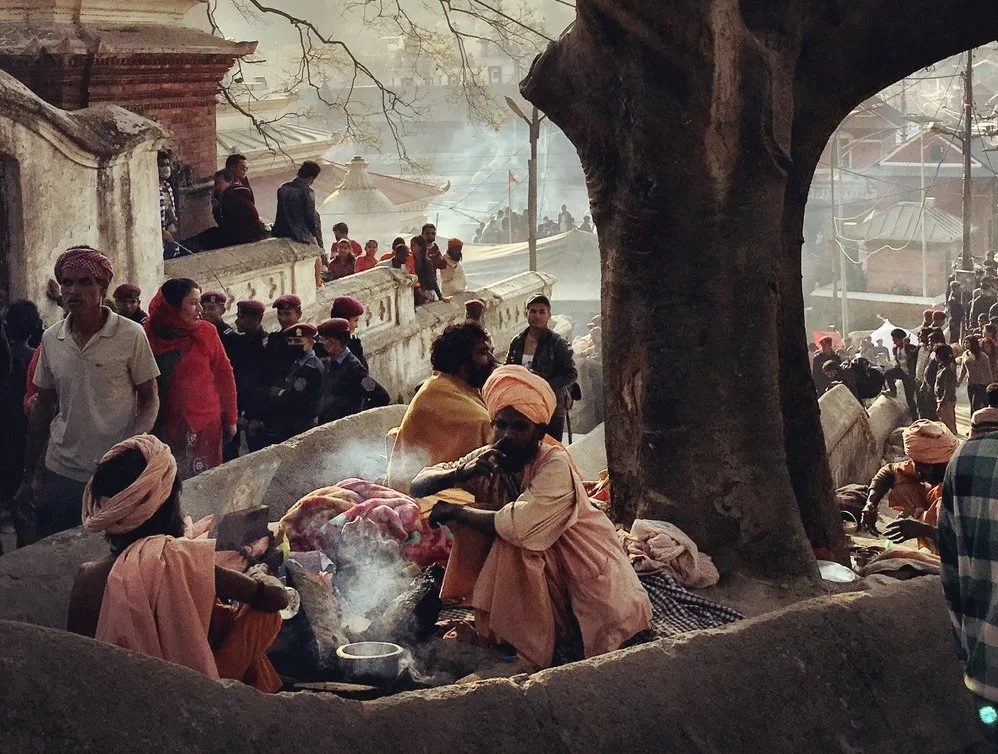
We All Dissolve in the Fire - Maha Shivaratri // The Great Night of Shiva
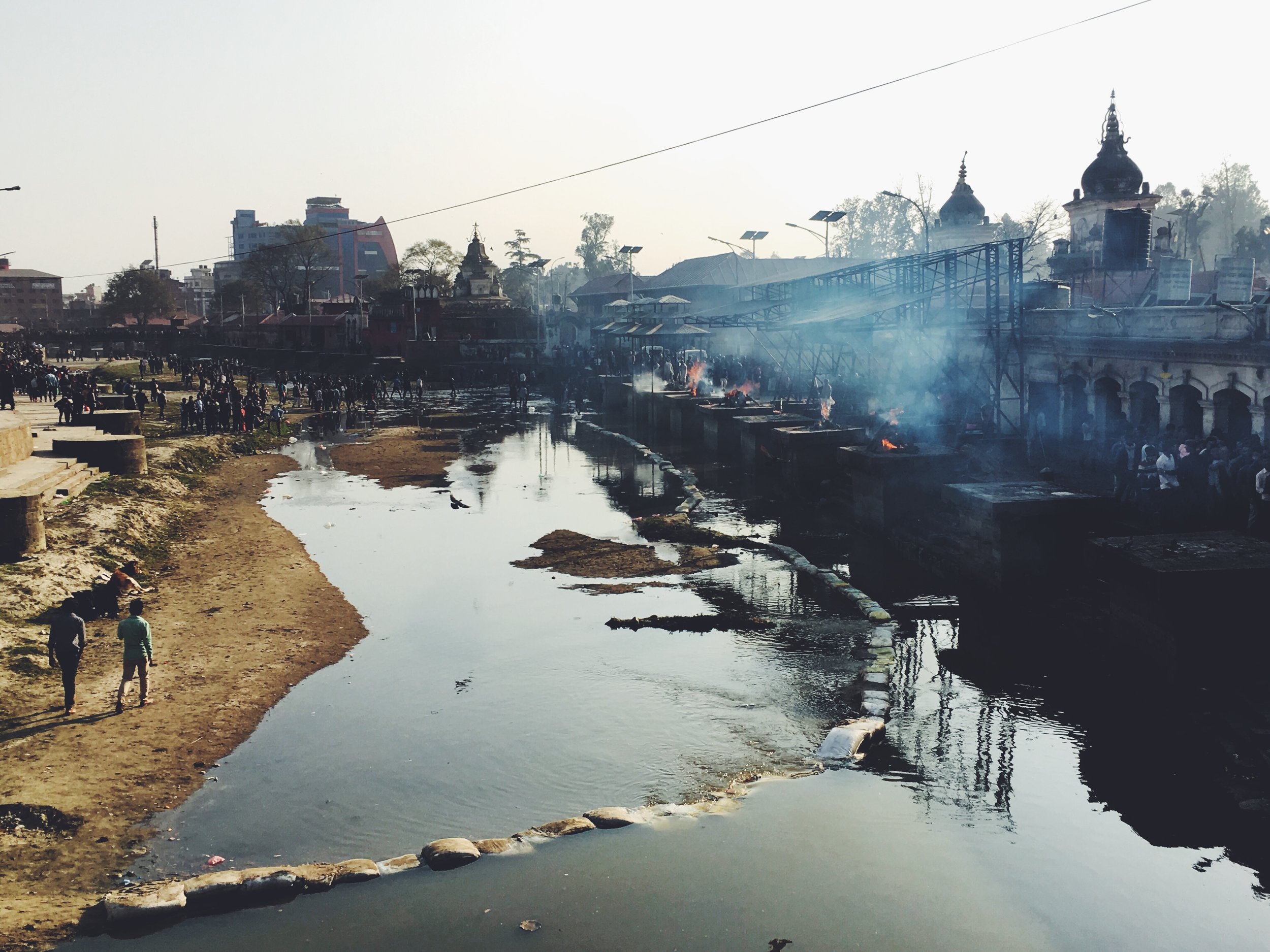
After watching the Shiva ceremony at Pashupati, we return to our rooftop in Sanepa, and gaze out on all the fires lit up across the city, their golden fumes illuminating the dusty, concrete backdrop. Eventually, we will all burn in the fire, but not us, not here, not now. We have more seeds to plant, entering a new cycle of creation. Burning up the old patterns, creating space for other constellations, watching growth out of decay - whether its in a Kathmandu vegetable patch, or in the garden of the mind.
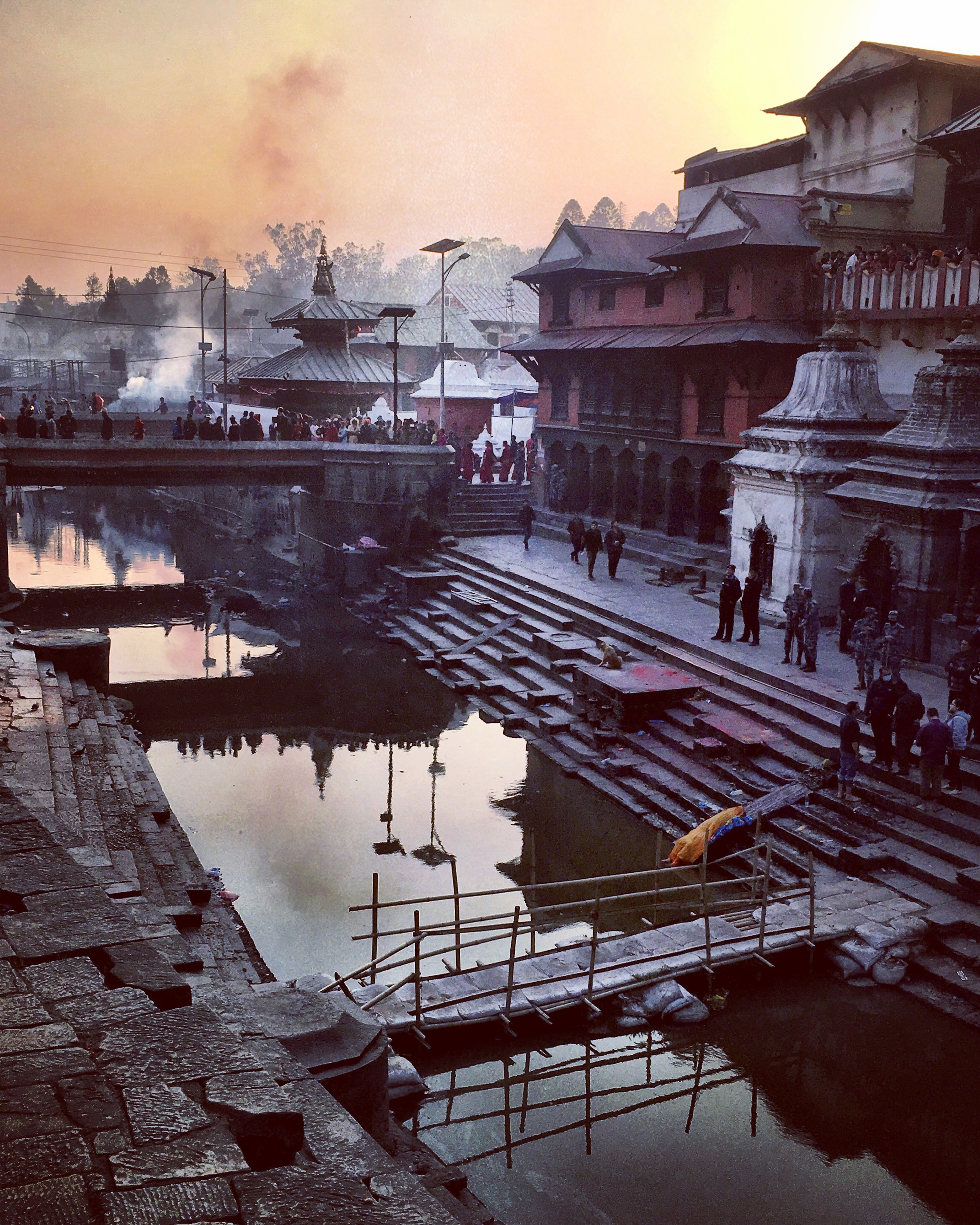
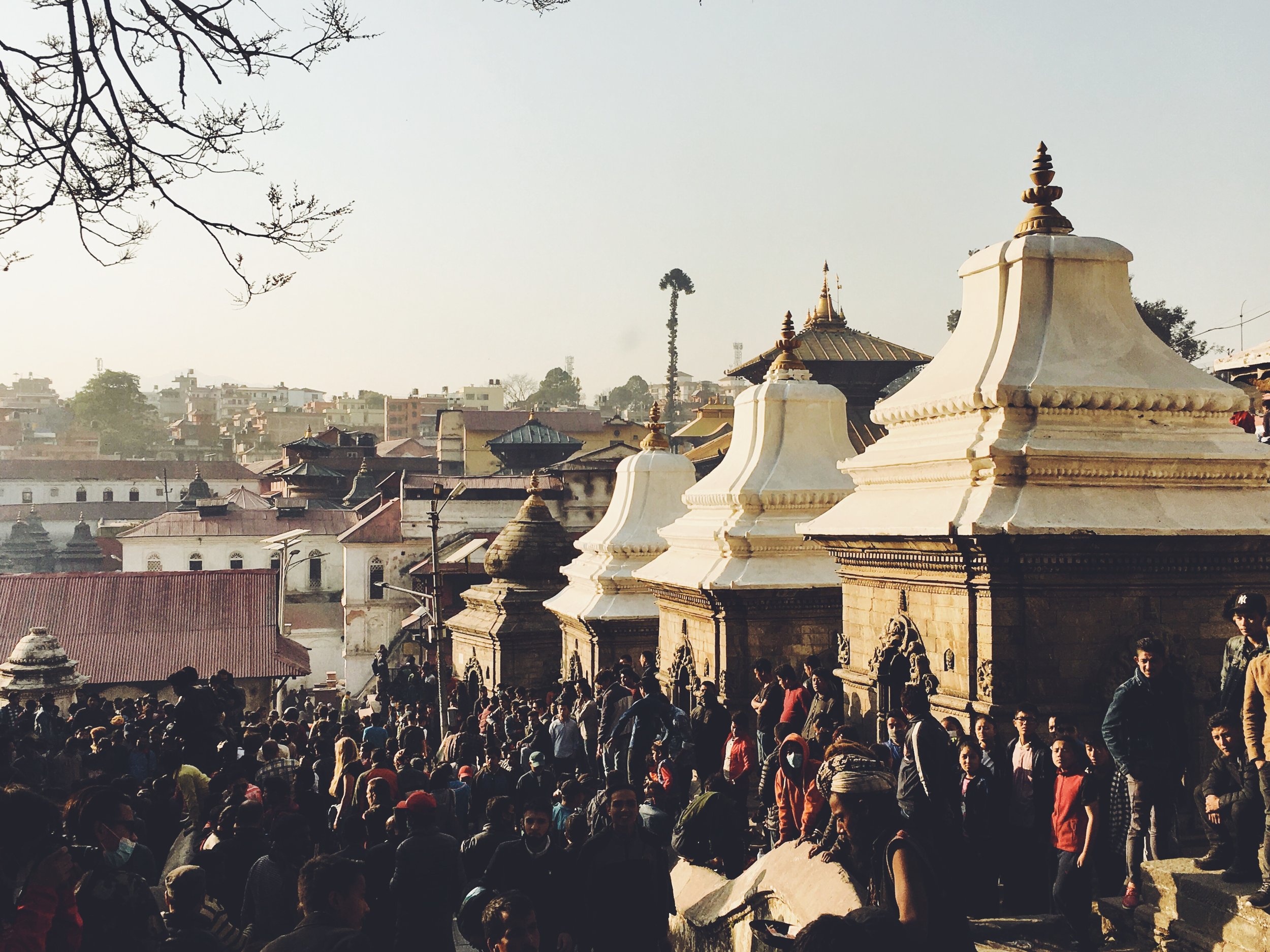
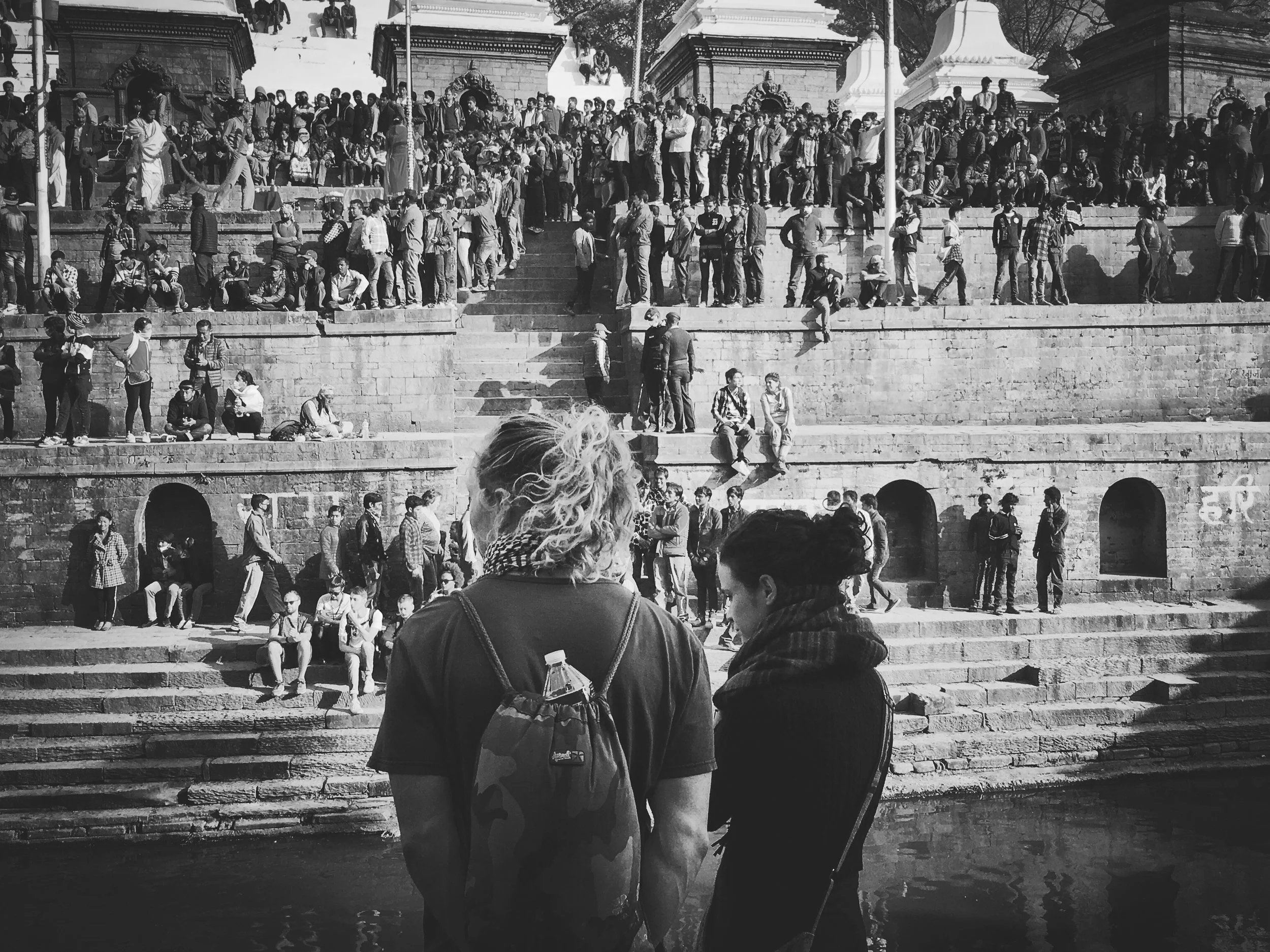
- It feels like we are moving in a single living organism, says Joe, immersed in the masses of people pushing forward to get into Pashupatinath Temple (पशुपतिनाथ मन्दिर) to celebrate Maha Shivaratri, 'the great night of Shiva'. It often feels like this in Kathmandu. The way the traffic flows between wild tribes of street dogs, plants and jungle coiling through cracks in the run-down buildings, chaos playing with order, expressed in a city pulsating with life force.
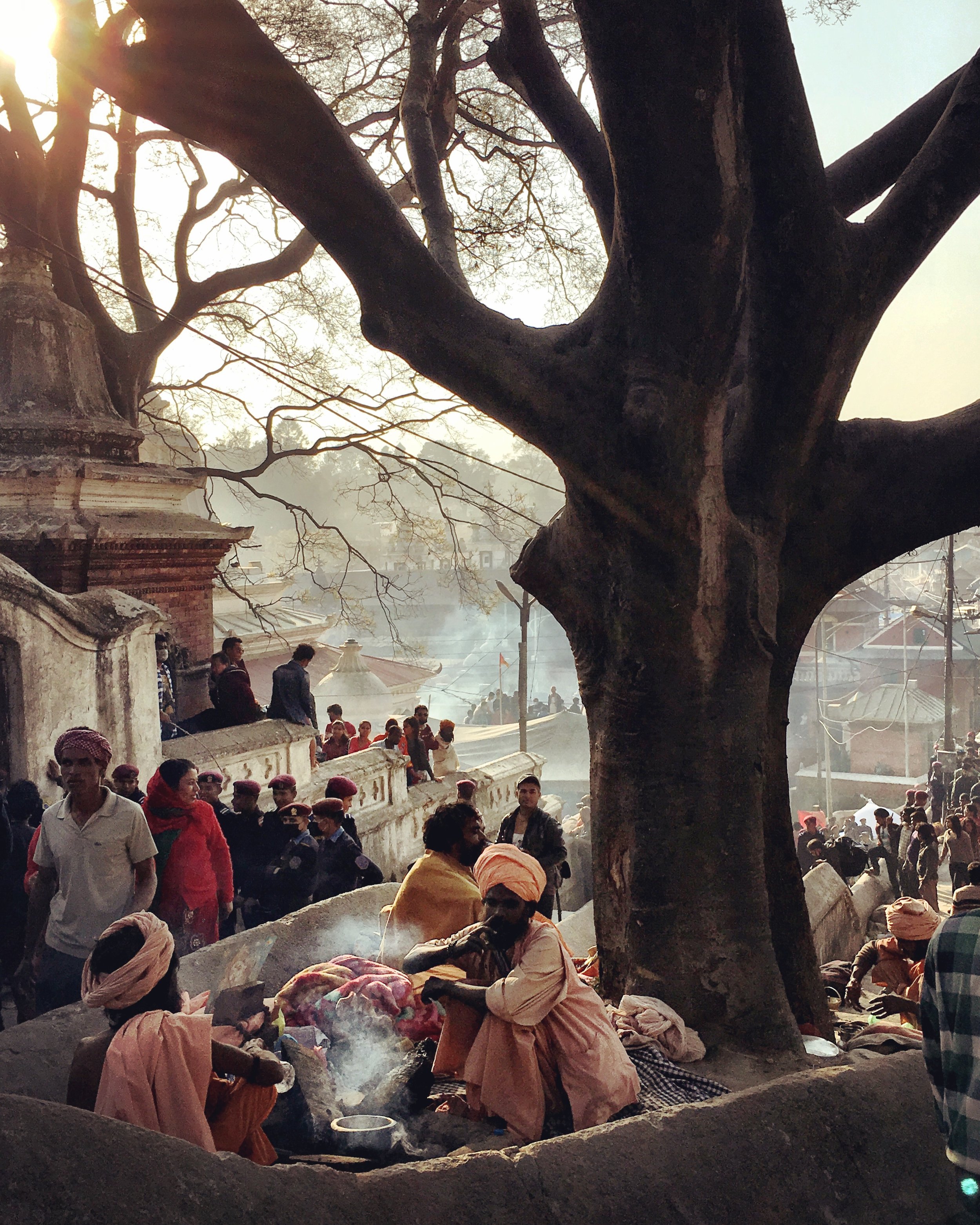
As we enter the temple grounds, we see the dead bodies up close, prepared on concrete altars beside the sacred river, Bagmati. The stone cold bodies are covered in orange cloth, blessed, and then burnt on big fires. On a busy day, hundreds of souls go up into dense smoke, and their ashes are immersed into the air we breathe and river system, eventually becoming part of the Ganga. Naked sadhus (holy men) with stunning dreads and bony bodies cover themselves in the grey ashes. They seem to be living in a different dimension than us, completely liberated from the earthly passions and desires.
To many, Maha Shivaratri is day when you can smoke legal marihuana in the streets of Kathmandu. To others, it is a solemn tribute to the natural forces of death and destruction. The 14th night of the lunar month in late February - the night before the new moon - is the darkest night of the month. We often forget that most of these seemingly exotic festivals have their roots in celebrating the physical nature of existence, communities’ connection to nature, phases of the cultivation of the earth.
From an ecological perspective, Shivaratri marks the night when the natural cycle moves out of the still phase of winter - and the elements slowly awaken to life again. According to one legend in the Shaivism tradition, Maha Shivaratri was the night the Goddess Parvati pleaded Lord Shiva to save the earth when it faced destruction. It is believed that the seeds that were planted that night came into blossom the very next day, showing the immense fertility of the Earth Mother.
For the ascetics, this is the day when Shiva became one with Mount Kailash - absolutely still, like the mountain. In the yogic tradition, Shiva is not worshipped as a God, but rather the 'Adi Guru', the master teacher who planted the first seeds of knowledge. On Maha Shivaratri, he reached a point in his meditation where all movement stopped - in complete stillness.
Another name for Shiva is Bhuteshwara – the lord of the elements. Whether we are talking about the human body or the larger cosmic body, our surroundings are made up of the phancha bhutas, the five elements - earth, water fire, air and space. During Shivaratri, the northern hemisphere of the planet is positioned in a way which ignites a natural upsurge of energies in our physiology. A space is opened - between the passive and the active forces - where you can focus on restoring the elemental balance in your body. Many of the sadhus spend the night in a standing position facing the fires, keeping the spine vertical and allowing for the elements to find their way and flow freely.
The divine dance of Lord Nataraja, Lord of Dance, signifies the yogic process of self realization In the cosmic ‘Dance of Bliss’ Anandatandava, Shiva as Nataraj, on the stage of the world and the heart of the seeker, represents life activity through the dance of the Omniscient God. The dance symbolizes the cosmic cycles of creation and destruction, and the daily rhythm of birth and death.
At home, we climb onto the rooftop, and gaze out on all the fires lit up across the city, their golden fumes illuminating the dusty, concrete backdrop. Eventually, we will all burn in the flames, but not us, not here, not now. We have more seeds to plant, entering a new cycle of creation. Leaving old pattens to burn, drawing new constellations in the ashes. Creating growth out of decay - whether its in a Kathmanduvian vegetable patch, or in the garden of the mind.
During the Vigil Night of Shiva, Mahashivaratri,
we are brought to the moment of interval
between destruction and regeneration;
it symbolizes the night
when we must contemplate on that which
watches the growth out of the decay.
During Mahashivaratri we have to be alone
with our sword, the Shiva in us.
We have to look behind and before,
to see what evil needs eradicating from our heart,
what growth of virtue we need to encourage.
Shiva is not only outside of us but within us.
To unite ourselves with the One Self
is to recognize the Shiva in us.
—The Theosophical Movement, Volume 72
Ramayana // Janaki Mandir
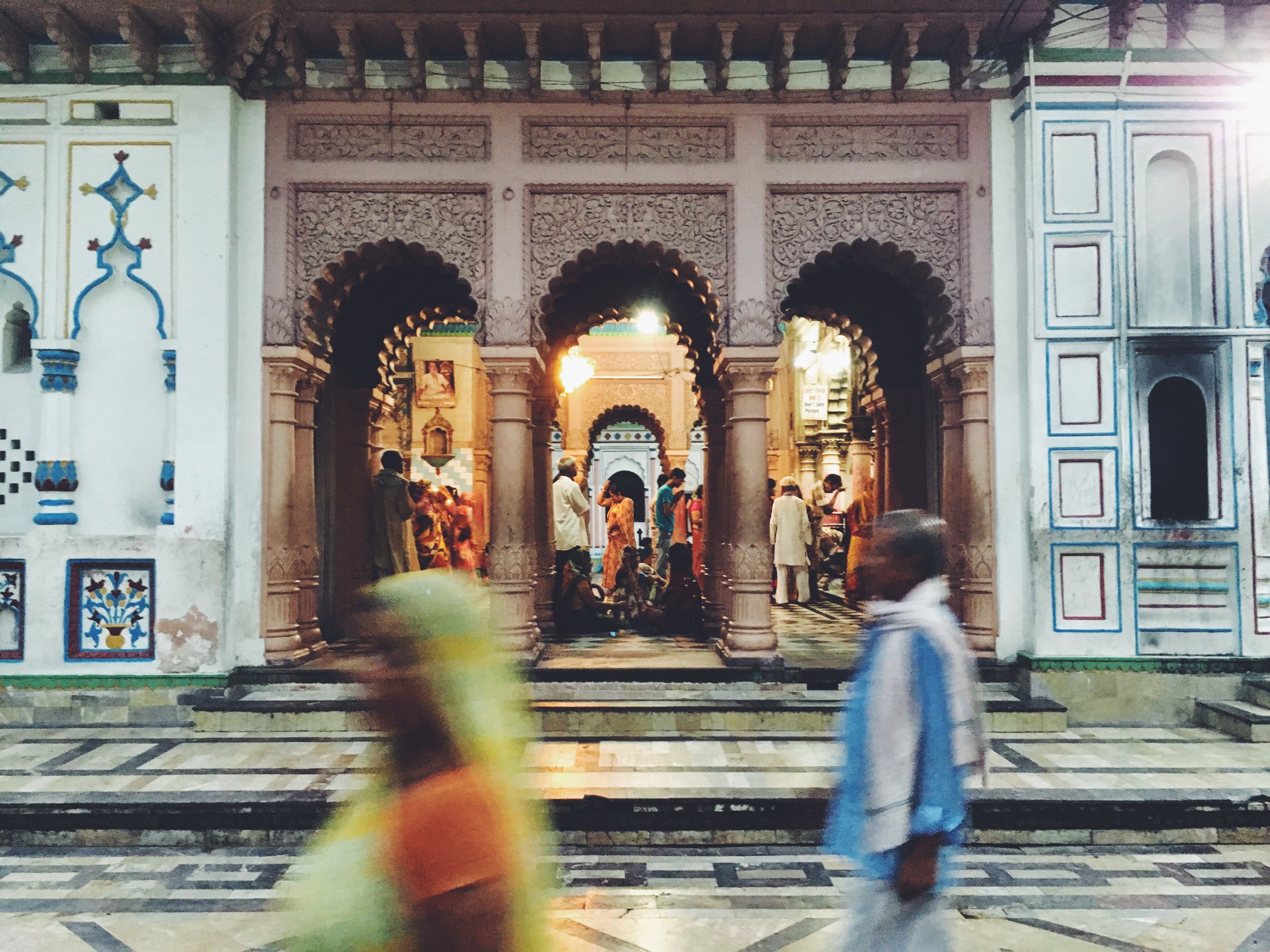
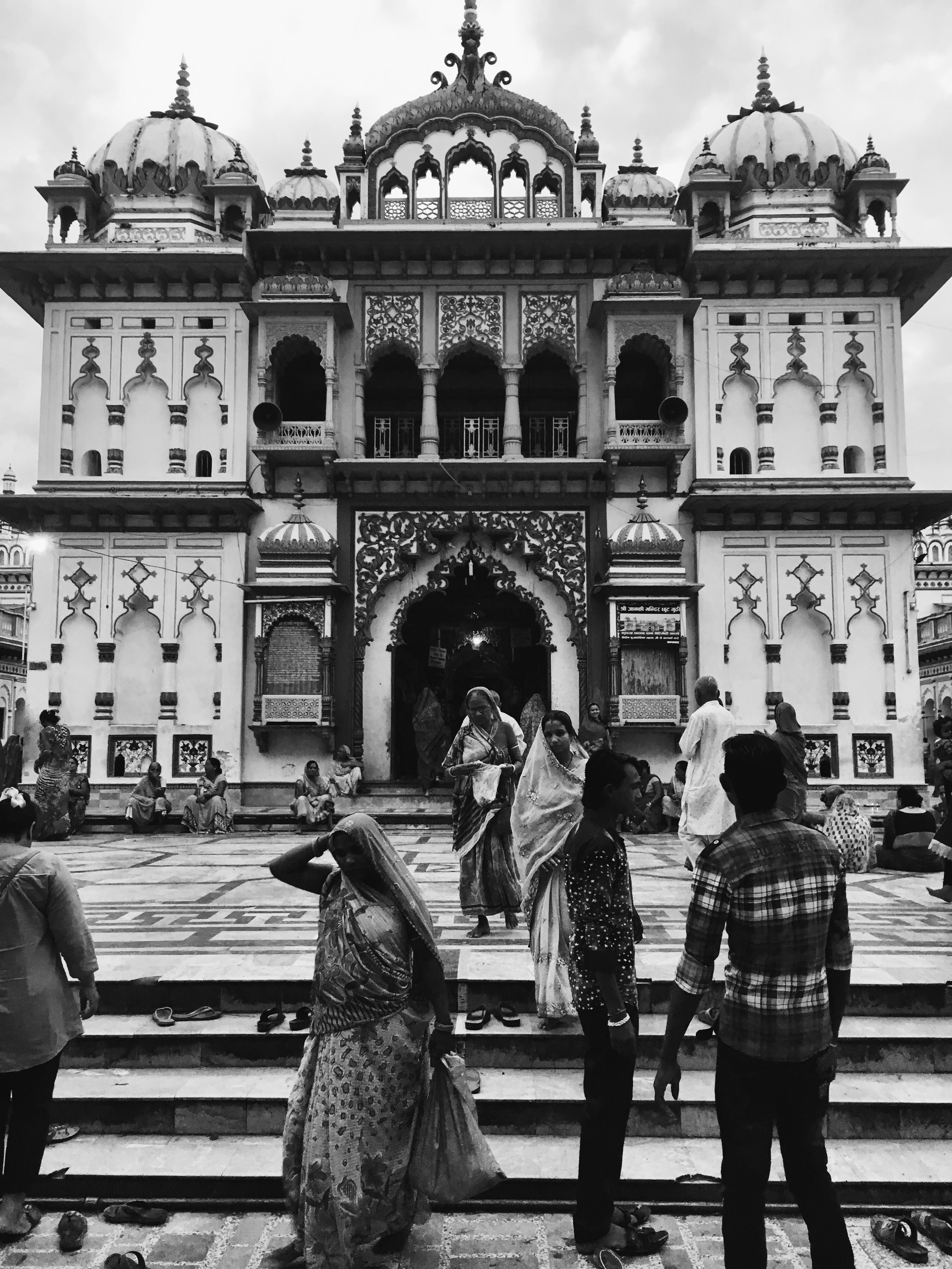
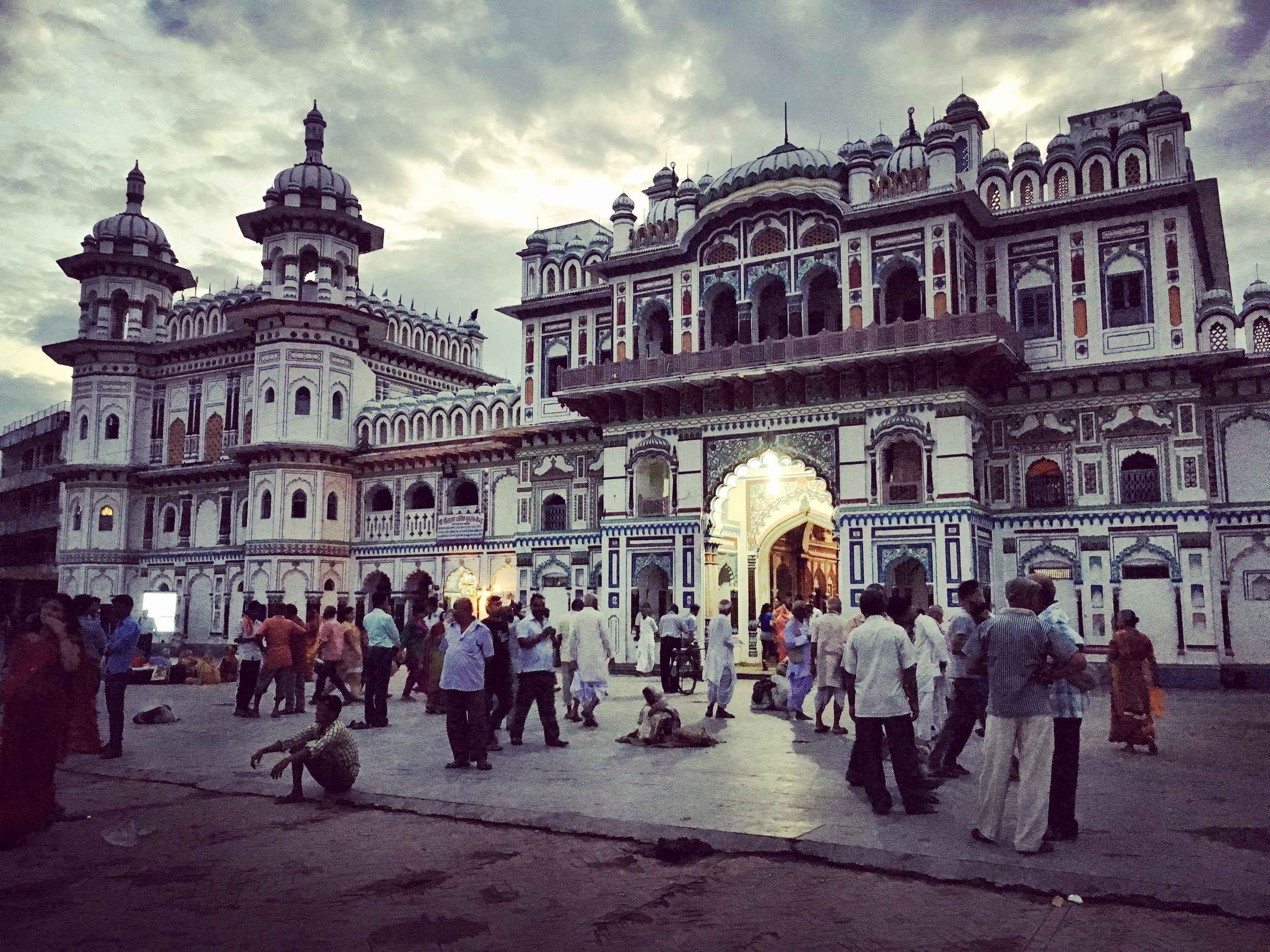
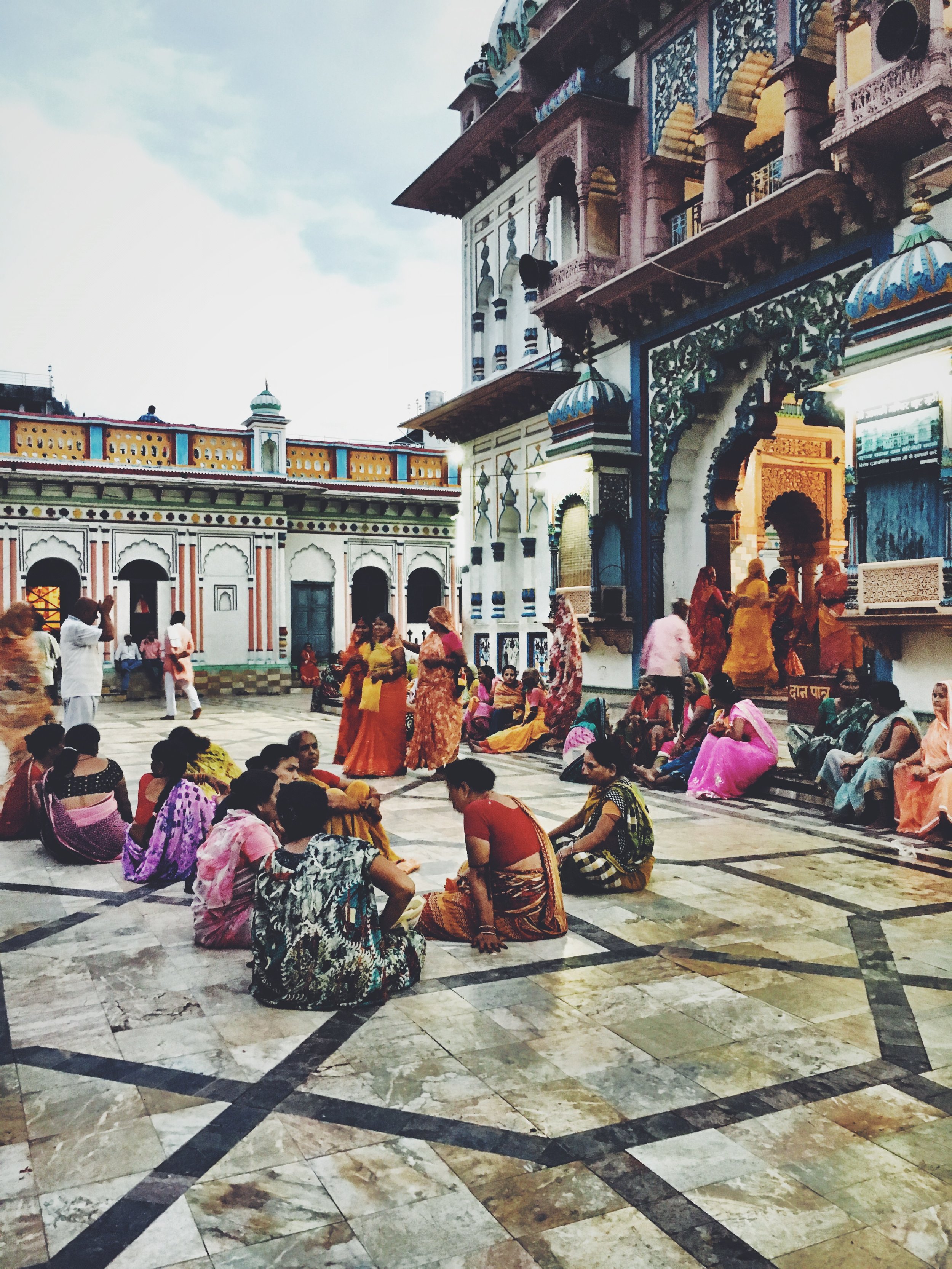
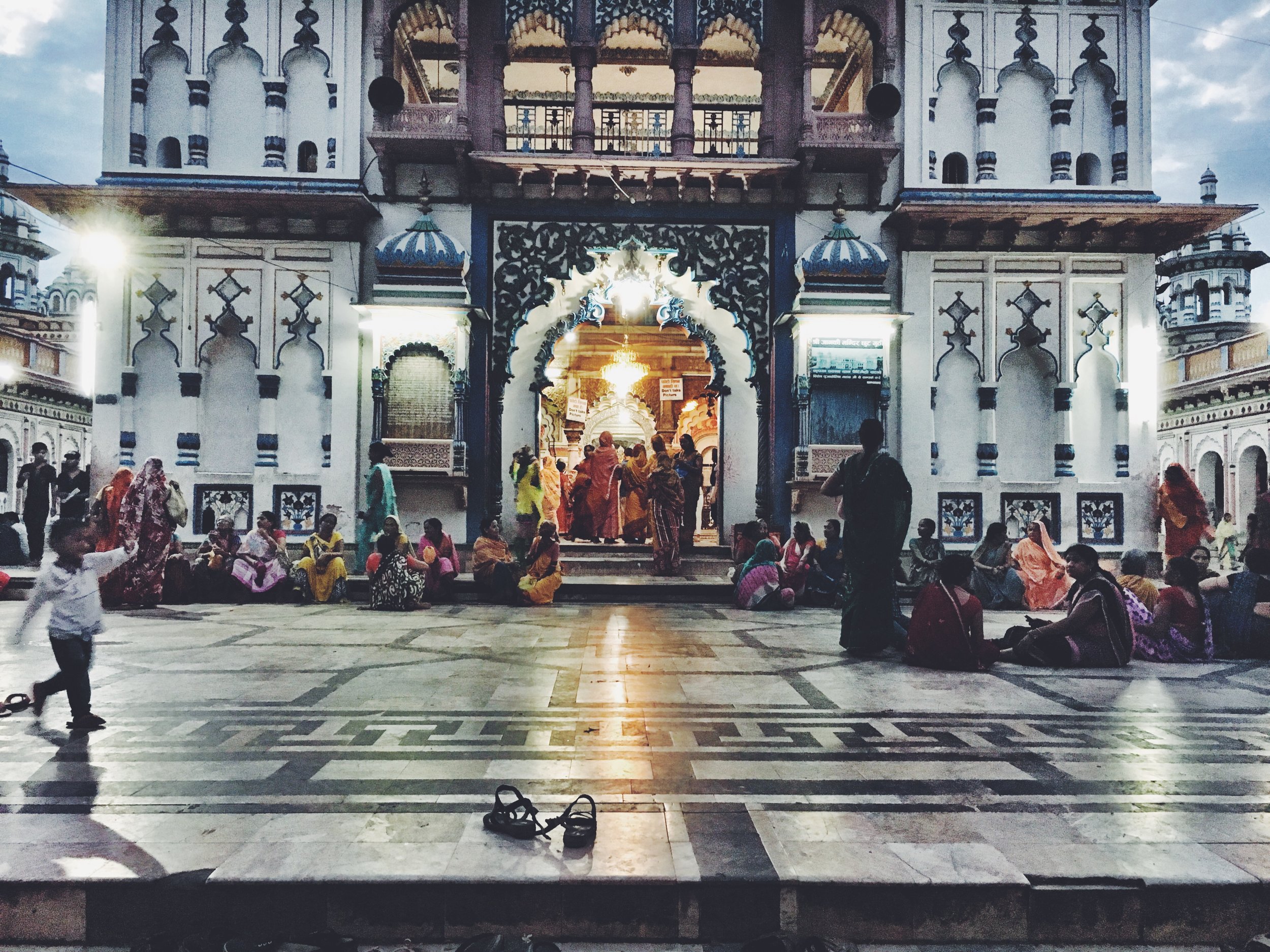
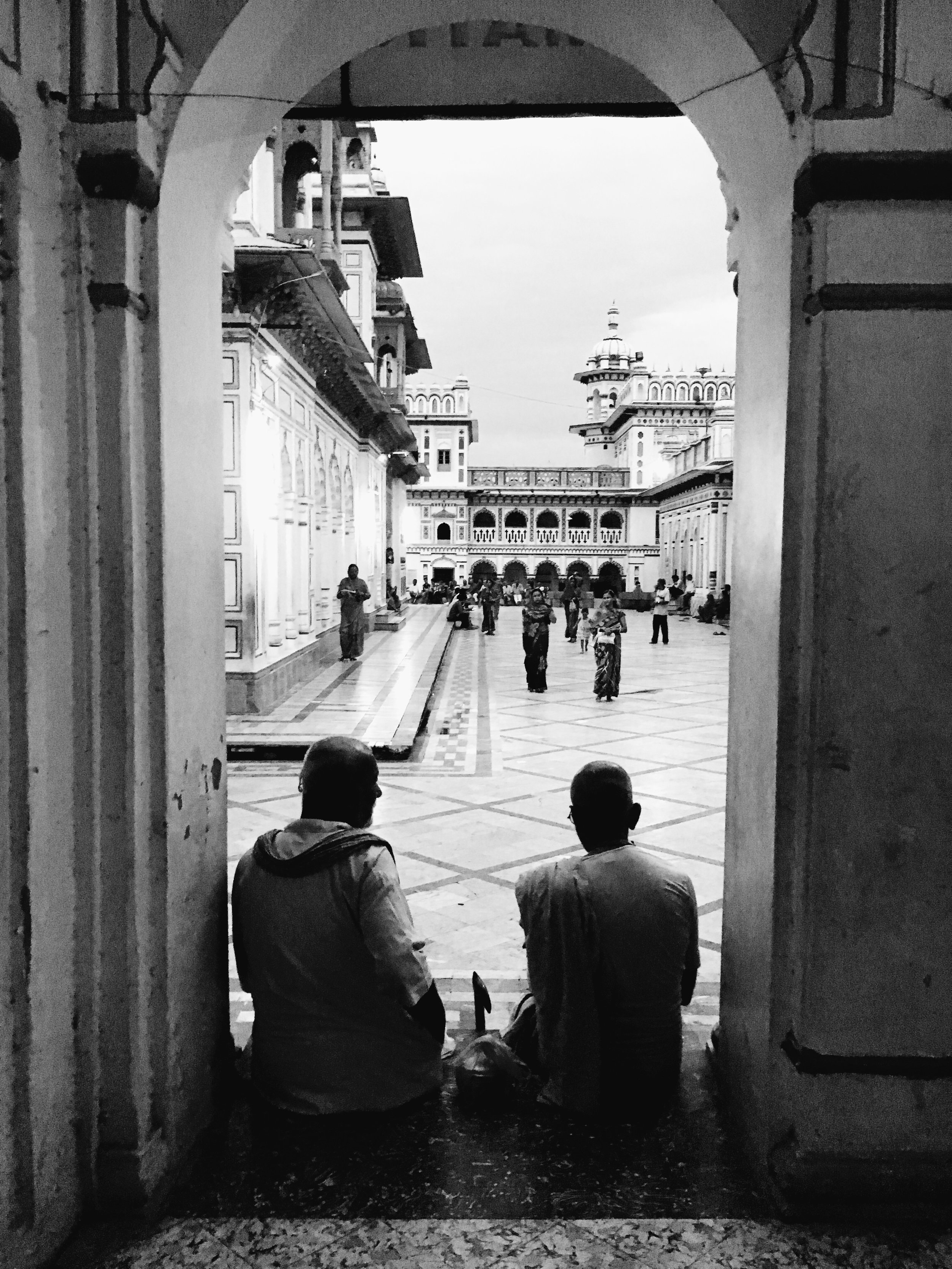
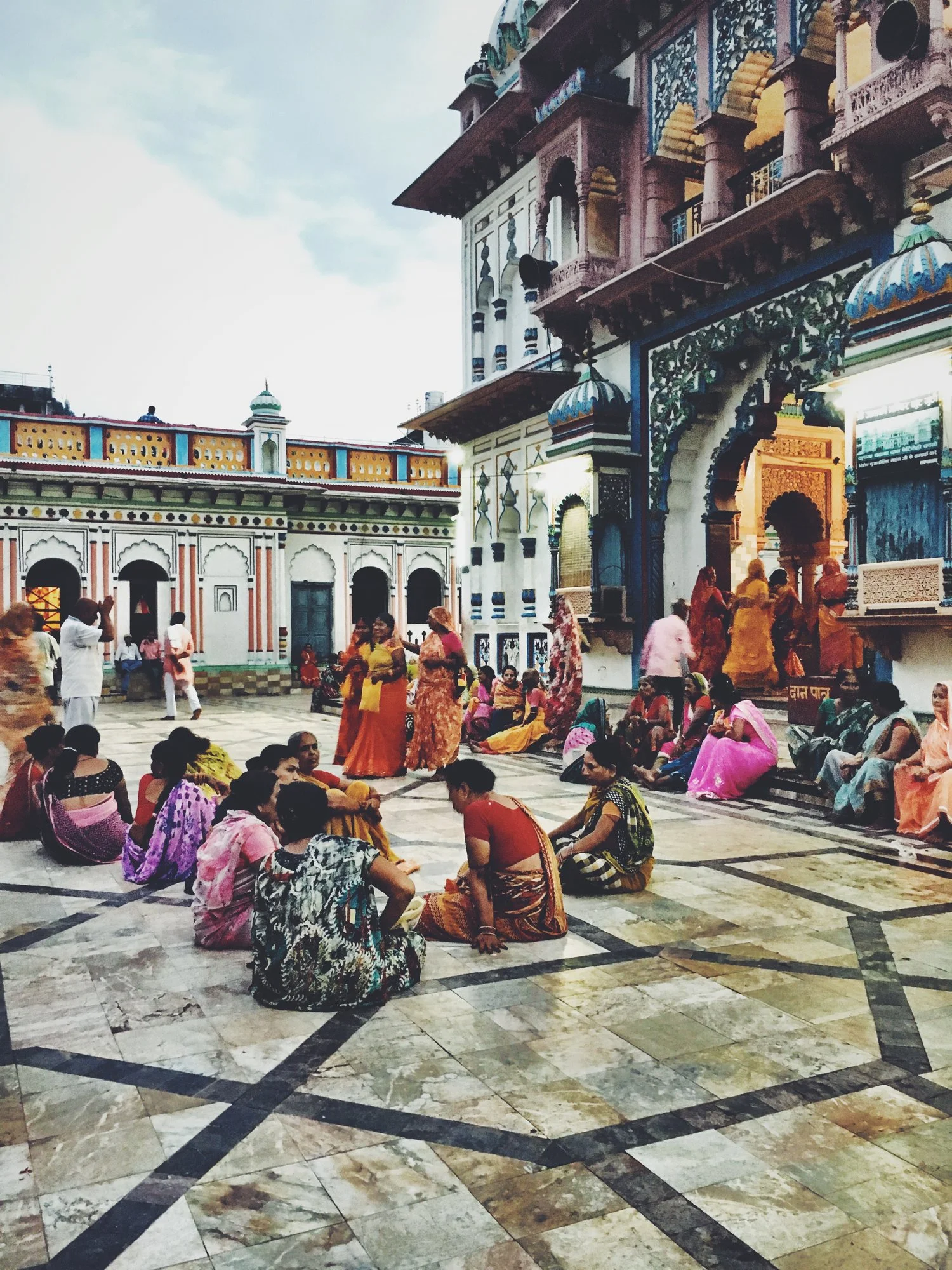
Coincidentally find myself in the heart of Janakpur, at the steps of the marble temple 'Ram Janaki Mandir' (Nepali: जानकी मन्दिर), dedicated to the Hindu goddess Sita, Rams wife and the heroine of Ramayana. It is the primary temple of the Maithali native indigenous.
Tomorrow is the night of the new moon, and the female creative energy is building.. Women gather outside Sita's temple at dusk. The relationship between Rama and Sita symbolizes two entities coming together to form a whole - which also coincides with the celestial union of the sun and the moon coming together in the sky.. Sita is said to have been born out of the womb of the earth itself, and is known in Hindu mythology for her dedication, self-sacrifice, courage and purity.
A steady stream of pilgrims flow in through the gatehouse to worship the goddess in the inner sanctum... Sita ram ram ram, sita ram ram ram..