We All Dissolve in the Fire - Maha Shivaratri // The Great Night of Shiva
After watching the Shiva ceremony at Pashupati, we return to our rooftop in Sanepa, and gaze out on all the fires lit up across the city, their golden fumes illuminating the dusty, concrete backdrop. Eventually, we will all burn in the fire, but not us, not here, not now. We have more seeds to plant, entering a new cycle of creation. Burning up the old patterns, creating space for other constellations, watching growth out of decay - whether its in a Kathmandu vegetable patch, or in the garden of the mind.
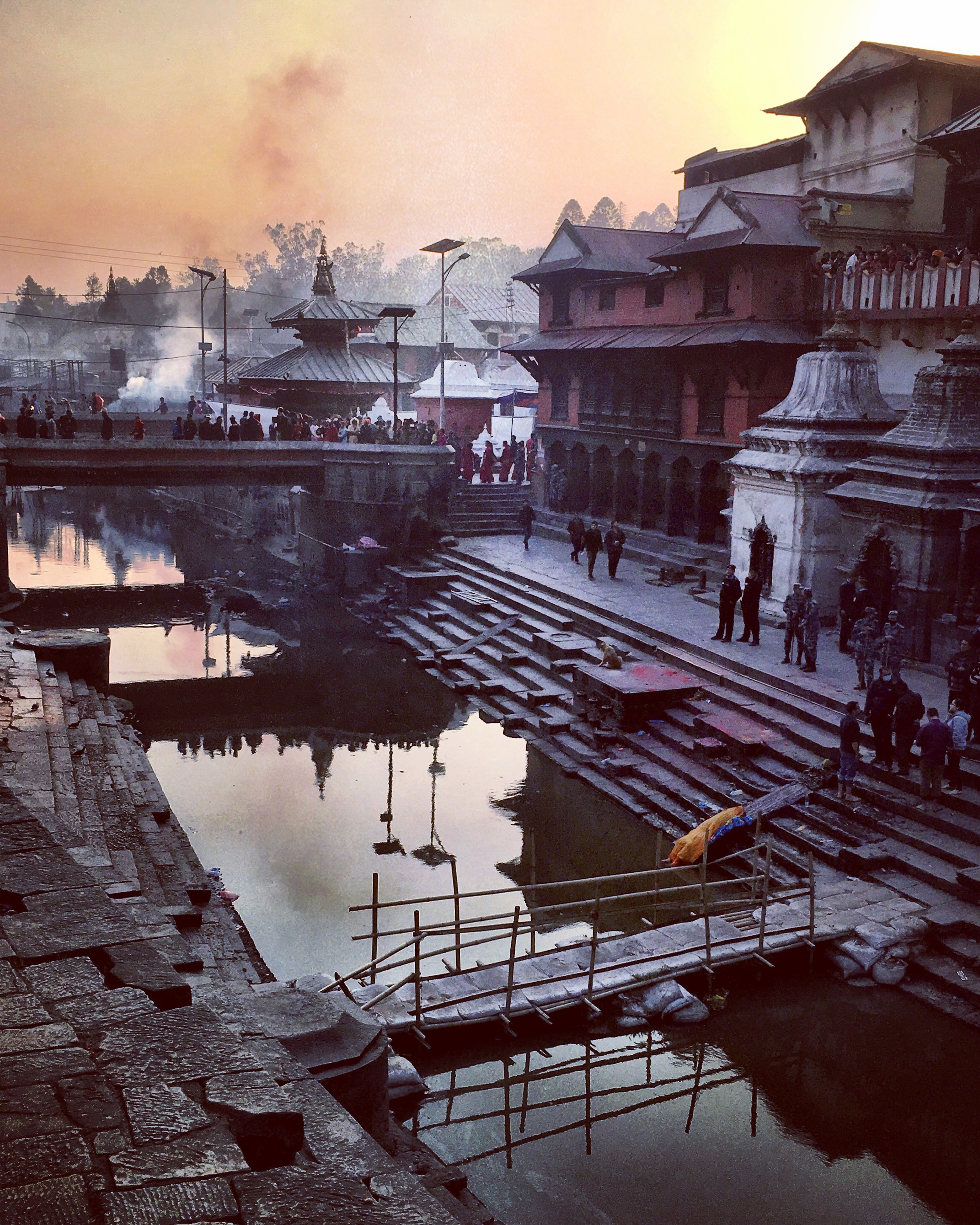
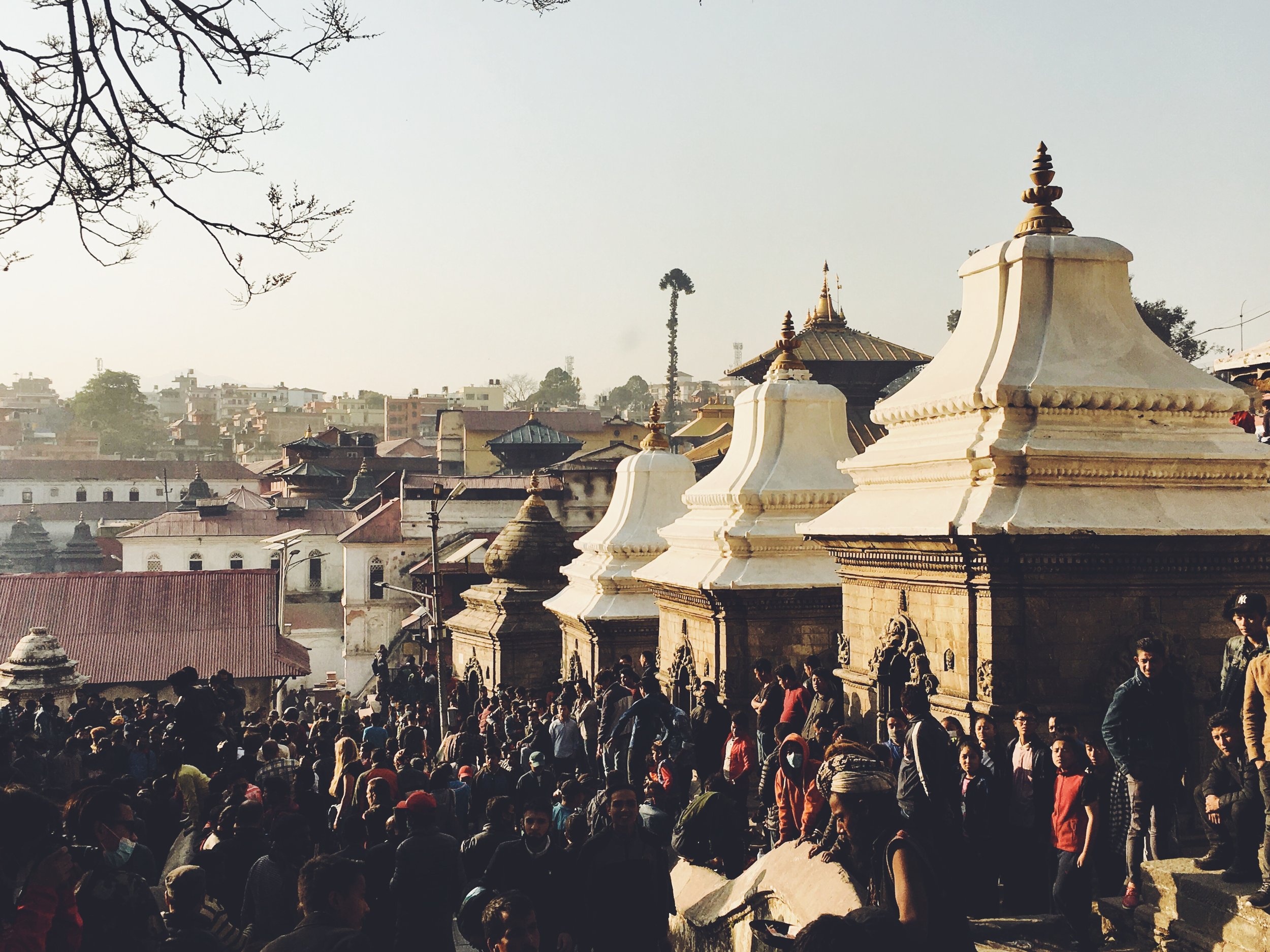
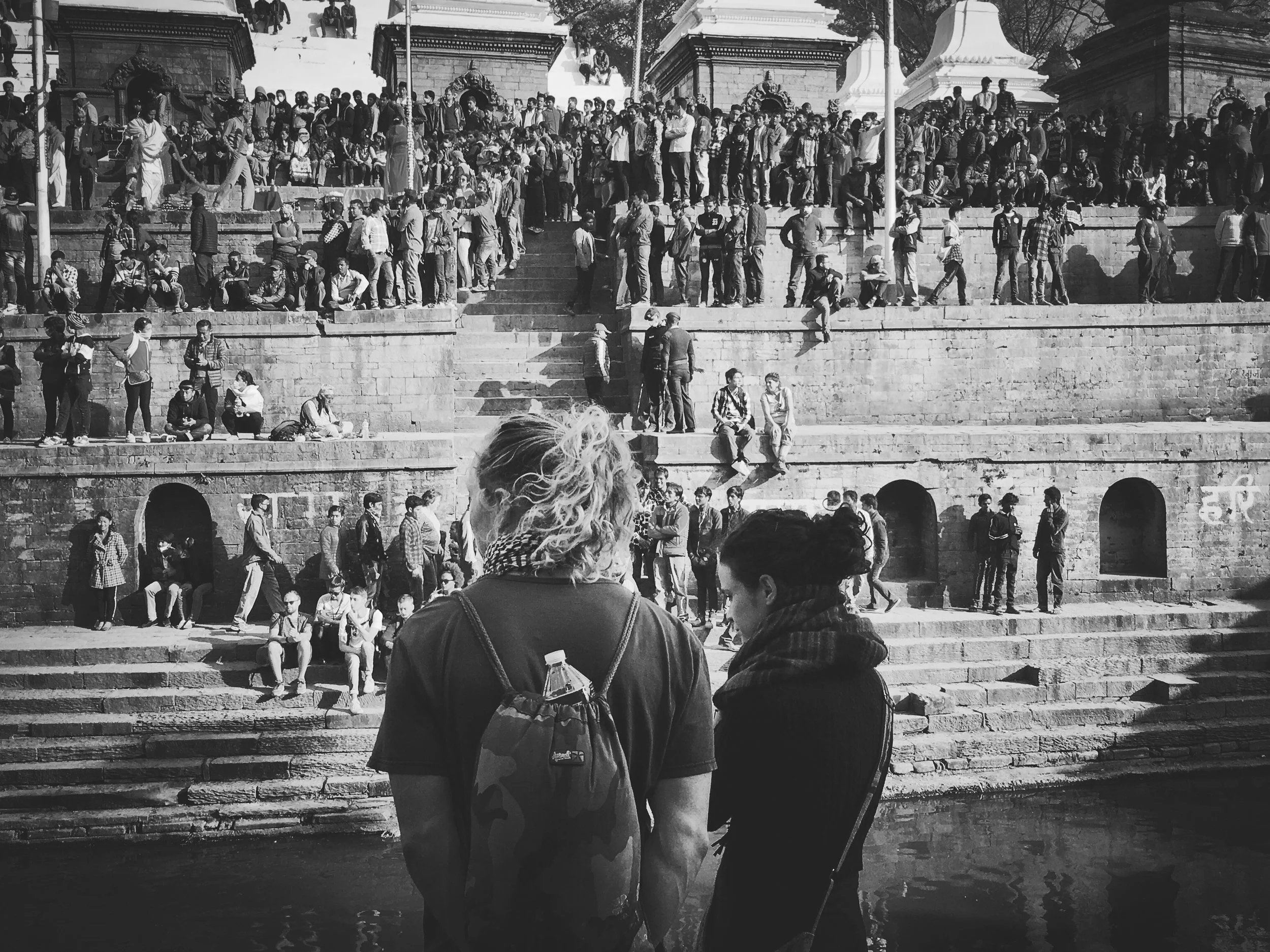
- It feels like we are moving in a single living organism, says Joe, immersed in the masses of people pushing forward to get into Pashupatinath Temple (पशुपतिनाथ मन्दिर) to celebrate Maha Shivaratri, 'the great night of Shiva'. It often feels like this in Kathmandu. The way the traffic flows between wild tribes of street dogs, plants and jungle coiling through cracks in the run-down buildings, chaos playing with order, expressed in a city pulsating with life force.
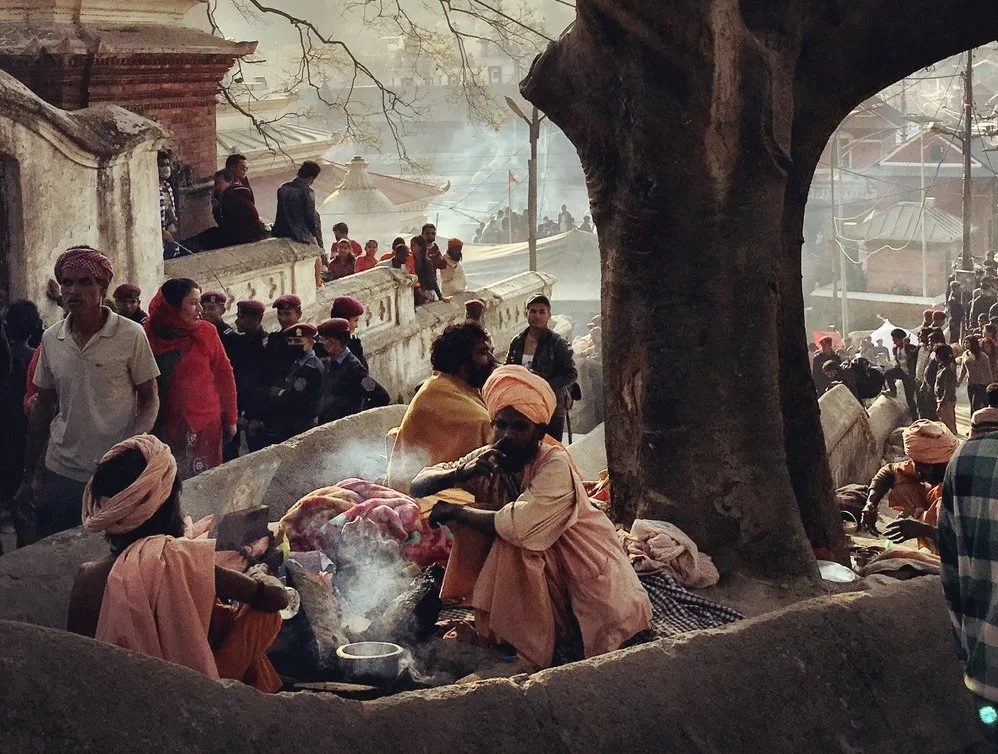
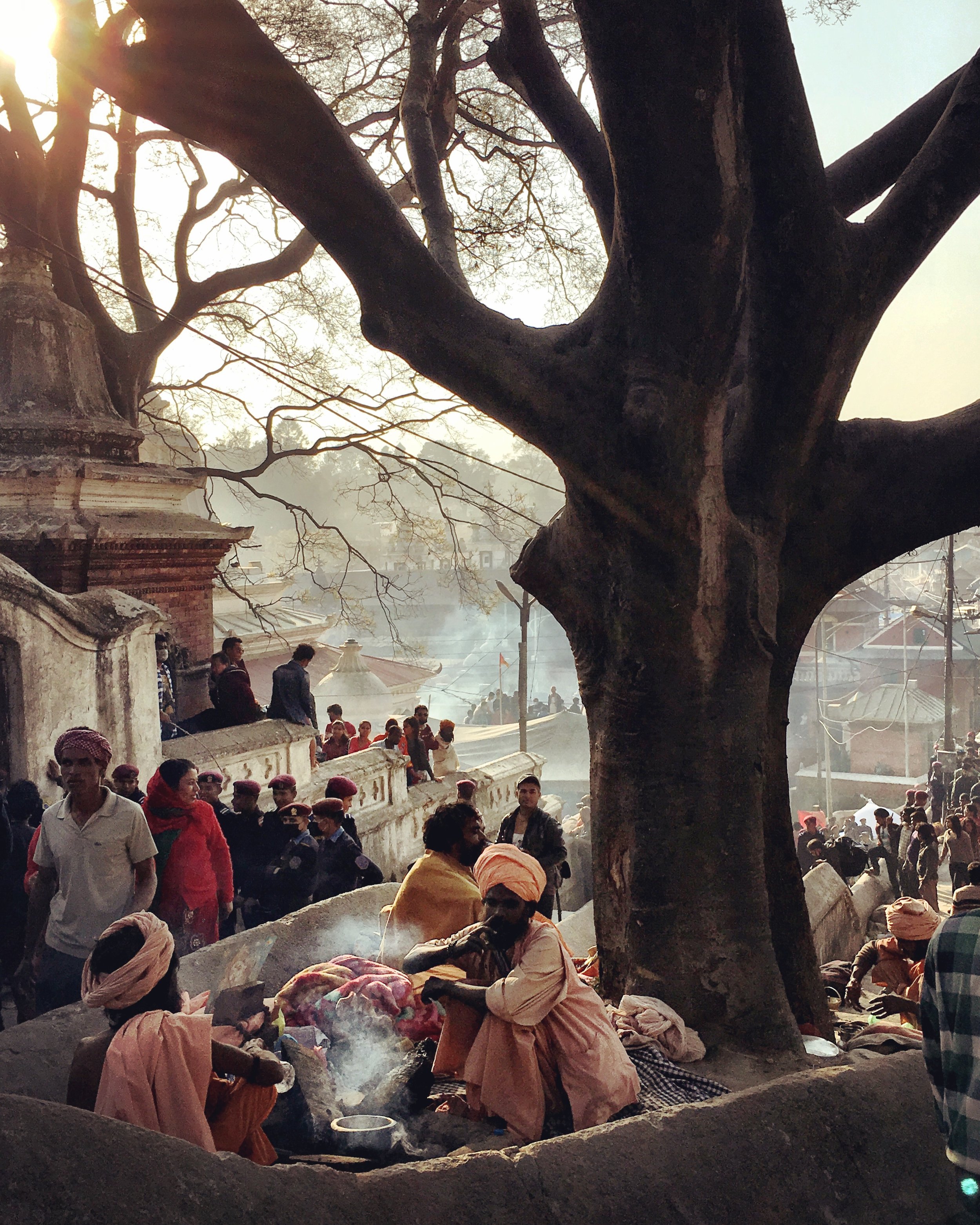
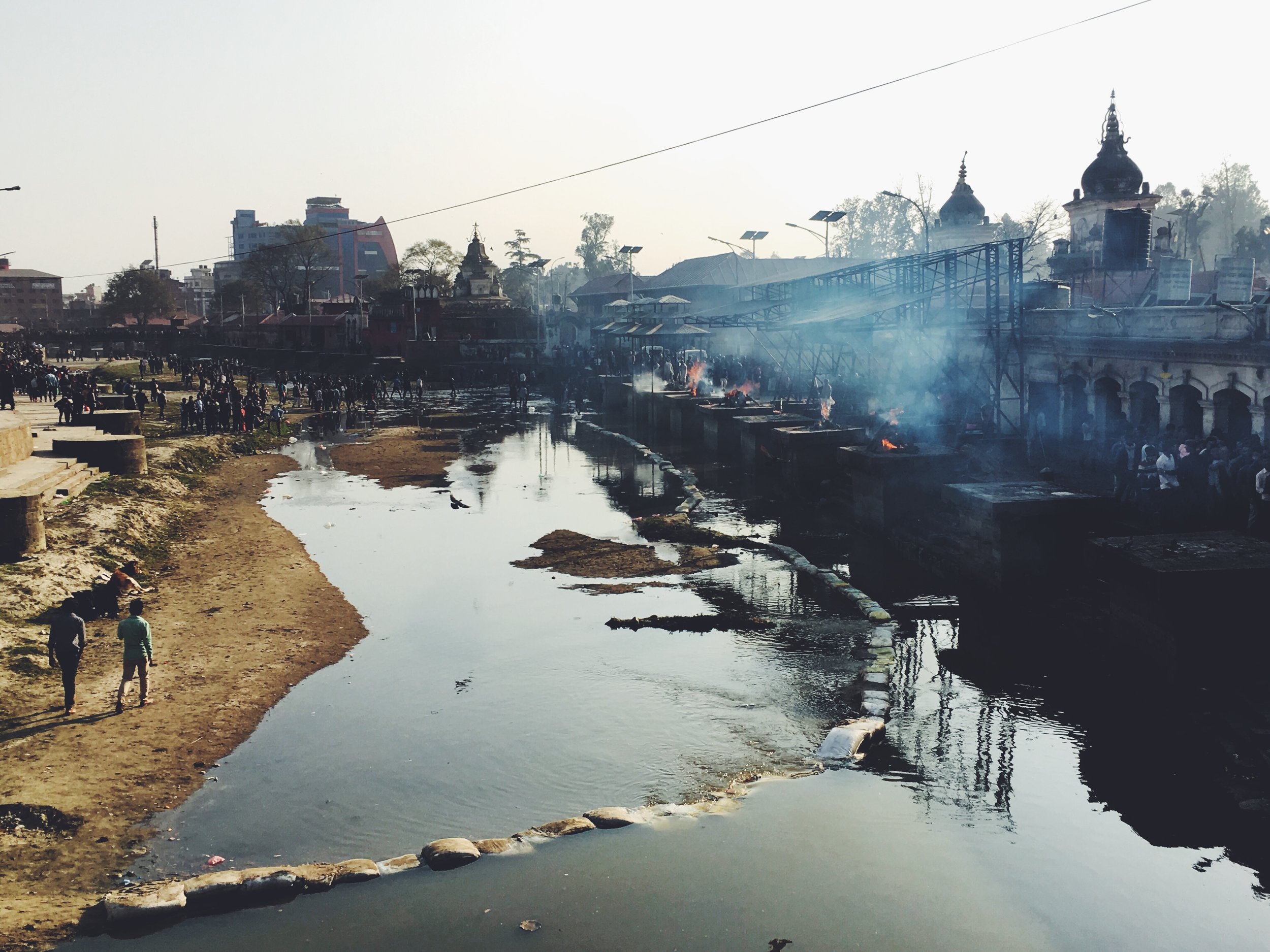
As we enter the temple grounds, we see the dead bodies up close, prepared on concrete altars beside the sacred river, Bagmati. The stone cold bodies are covered in orange cloth, blessed, and then burnt on big fires. On a busy day, hundreds of souls go up into dense smoke, and their ashes are immersed into the air we breathe and river system, eventually becoming part of the Ganga. Naked sadhus (holy men) with stunning dreads and bony bodies cover themselves in the grey ashes. They seem to be living in a different dimension than us, completely liberated from the earthly passions and desires.
To many, Maha Shivaratri is day when you can smoke legal marihuana in the streets of Kathmandu. To others, it is a solemn tribute to the natural forces of death and destruction. The 14th night of the lunar month in late February - the night before the new moon - is the darkest night of the month. We often forget that most of these seemingly exotic festivals have their roots in celebrating the physical nature of existence, communities’ connection to nature, phases of the cultivation of the earth.
From an ecological perspective, Shivaratri marks the night when the natural cycle moves out of the still phase of winter - and the elements slowly awaken to life again. According to one legend in the Shaivism tradition, Maha Shivaratri was the night the Goddess Parvati pleaded Lord Shiva to save the earth when it faced destruction. It is believed that the seeds that were planted that night came into blossom the very next day, showing the immense fertility of the Earth Mother.
For the ascetics, this is the day when Shiva became one with Mount Kailash - absolutely still, like the mountain. In the yogic tradition, Shiva is not worshipped as a God, but rather the 'Adi Guru', the master teacher who planted the first seeds of knowledge. On Maha Shivaratri, he reached a point in his meditation where all movement stopped - in complete stillness.
Another name for Shiva is Bhuteshwara – the lord of the elements. Whether we are talking about the human body or the larger cosmic body, our surroundings are made up of the phancha bhutas, the five elements - earth, water fire, air and space. During Shivaratri, the northern hemisphere of the planet is positioned in a way which ignites a natural upsurge of energies in our physiology. A space is opened - between the passive and the active forces - where you can focus on restoring the elemental balance in your body. Many of the sadhus spend the night in a standing position facing the fires, keeping the spine vertical and allowing for the elements to find their way and flow freely.
The divine dance of Lord Nataraja, Lord of Dance, signifies the yogic process of self realization In the cosmic ‘Dance of Bliss’ Anandatandava, Shiva as Nataraj, on the stage of the world and the heart of the seeker, represents life activity through the dance of the Omniscient God. The dance symbolizes the cosmic cycles of creation and destruction, and the daily rhythm of birth and death.
At home, we climb onto the rooftop, and gaze out on all the fires lit up across the city, their golden fumes illuminating the dusty, concrete backdrop. Eventually, we will all burn in the flames, but not us, not here, not now. We have more seeds to plant, entering a new cycle of creation. Leaving old pattens to burn, drawing new constellations in the ashes. Creating growth out of decay - whether its in a Kathmanduvian vegetable patch, or in the garden of the mind.
During the Vigil Night of Shiva, Mahashivaratri,
we are brought to the moment of interval
between destruction and regeneration;
it symbolizes the night
when we must contemplate on that which
watches the growth out of the decay.
During Mahashivaratri we have to be alone
with our sword, the Shiva in us.
We have to look behind and before,
to see what evil needs eradicating from our heart,
what growth of virtue we need to encourage.
Shiva is not only outside of us but within us.
To unite ourselves with the One Self
is to recognize the Shiva in us.
—The Theosophical Movement, Volume 72
Biointensive Organic Farming in Patalekhet Village
Photos and text: Caroline Hargreaves
"The biodiversity crisis, which presents us with dangers as profound and costly as climate change does, demands the creation of an equal and corresponding political will to act. The environment is the economy. No problem – not poverty, not climate changes, not the economic downturn – can be addressed without simultaneously restoring the systems that are life itself. We must look to what is left of our planet. In rewilding, we have dreamed up the ways and means to keep it alive. Now, we must only connect." - Caroline James
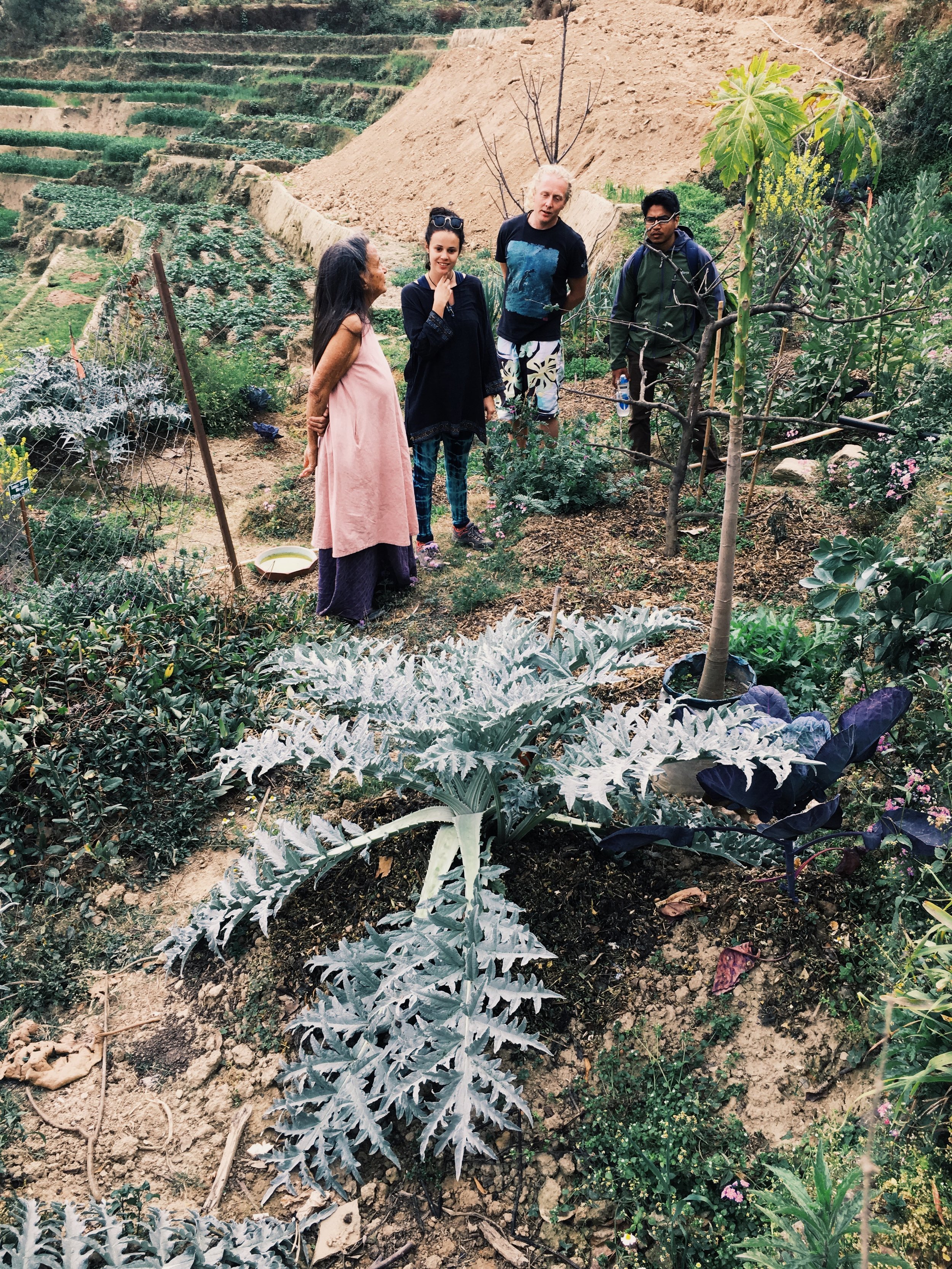
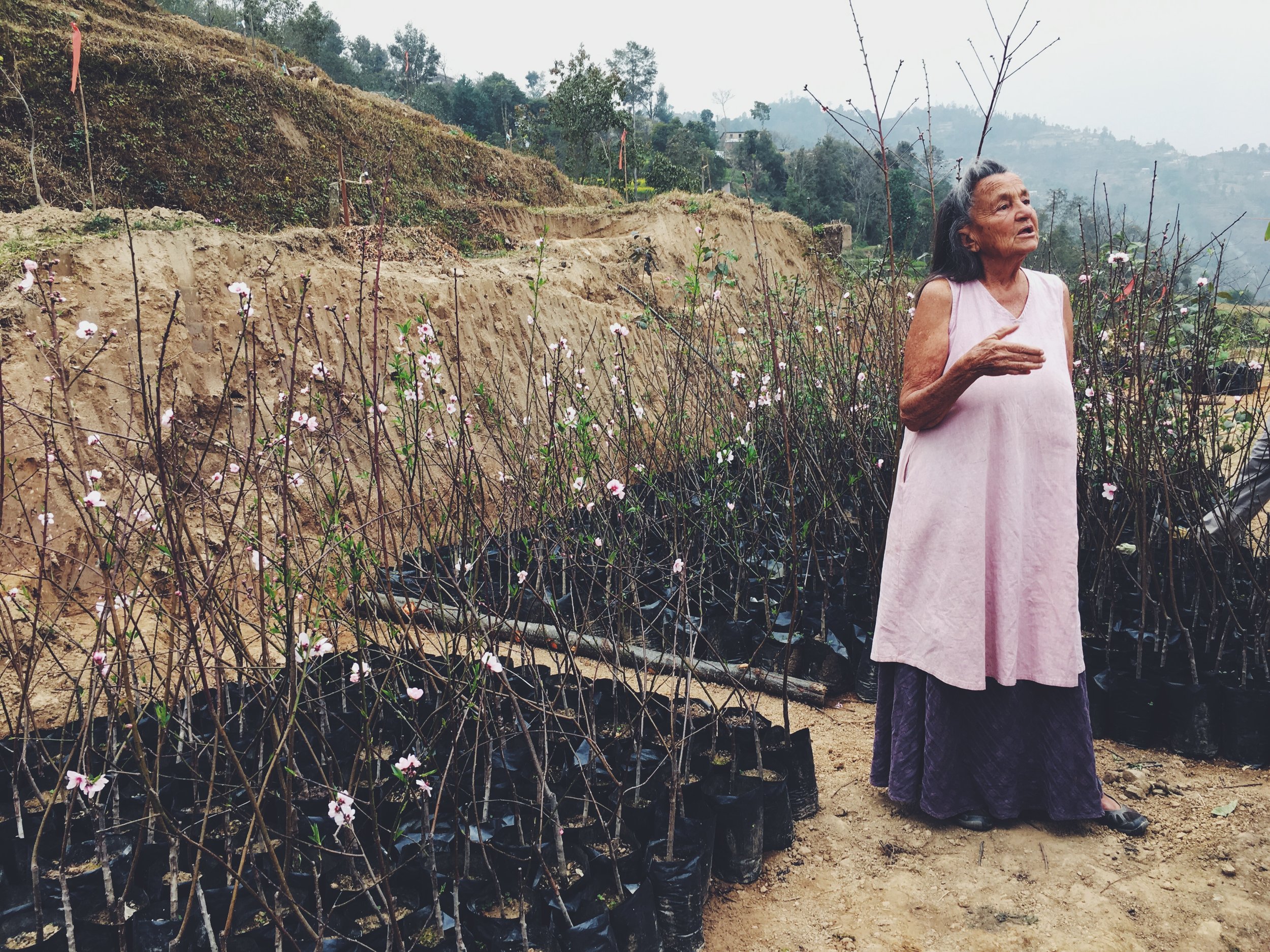
This is Judith. Judith is a systems-restorer. Wise. Wild. A seeder and grower of tree. Of light.
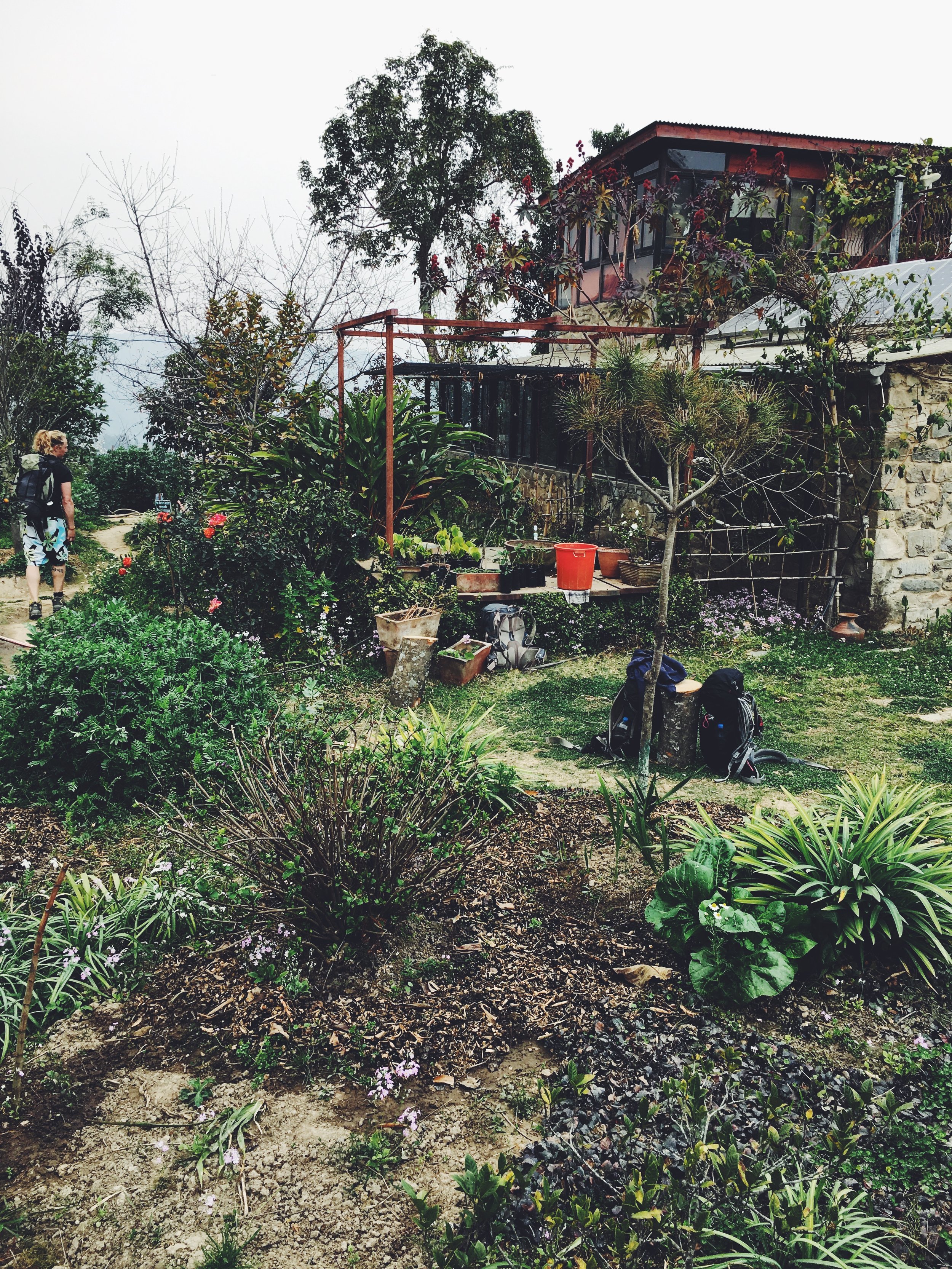
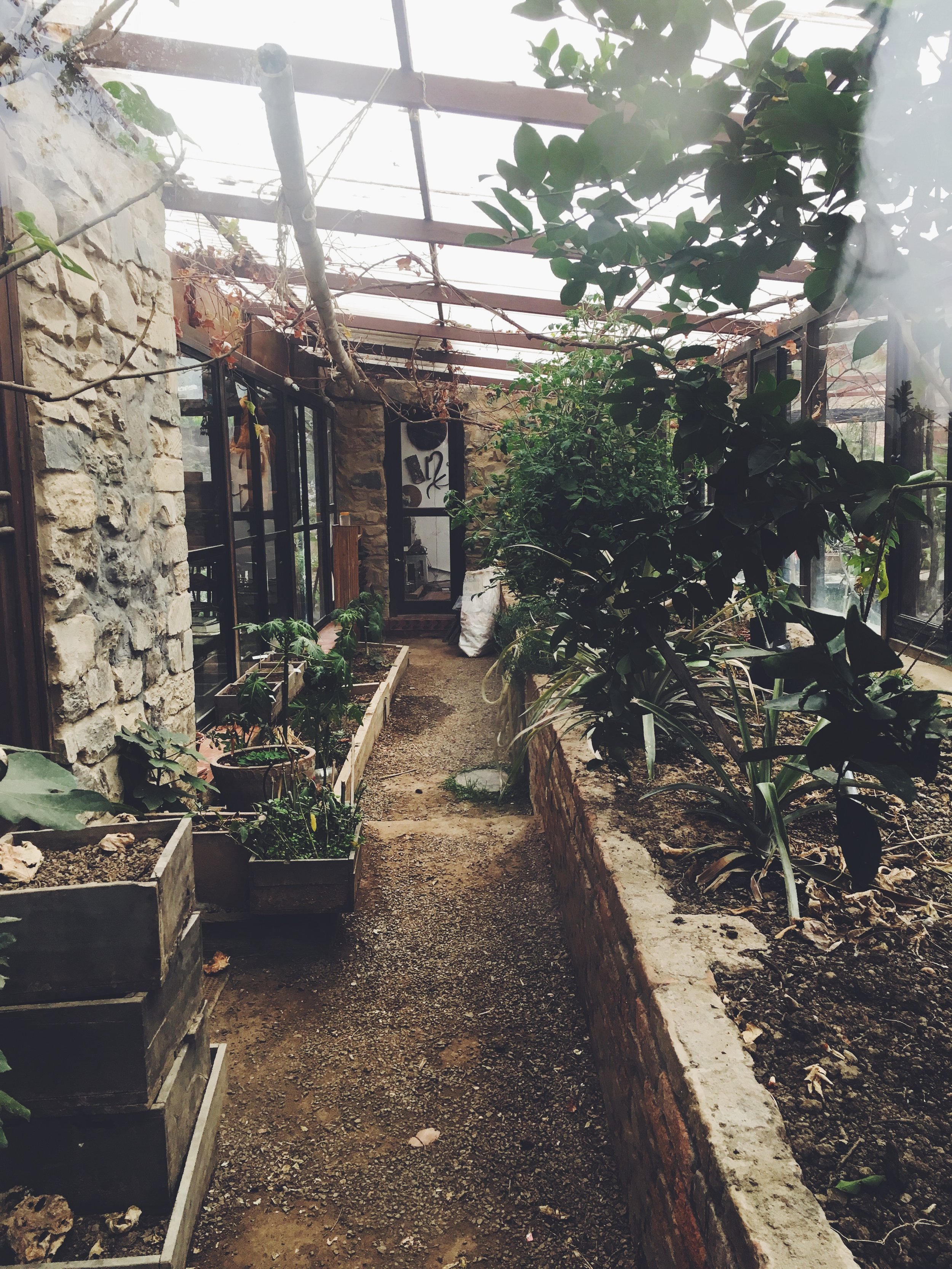
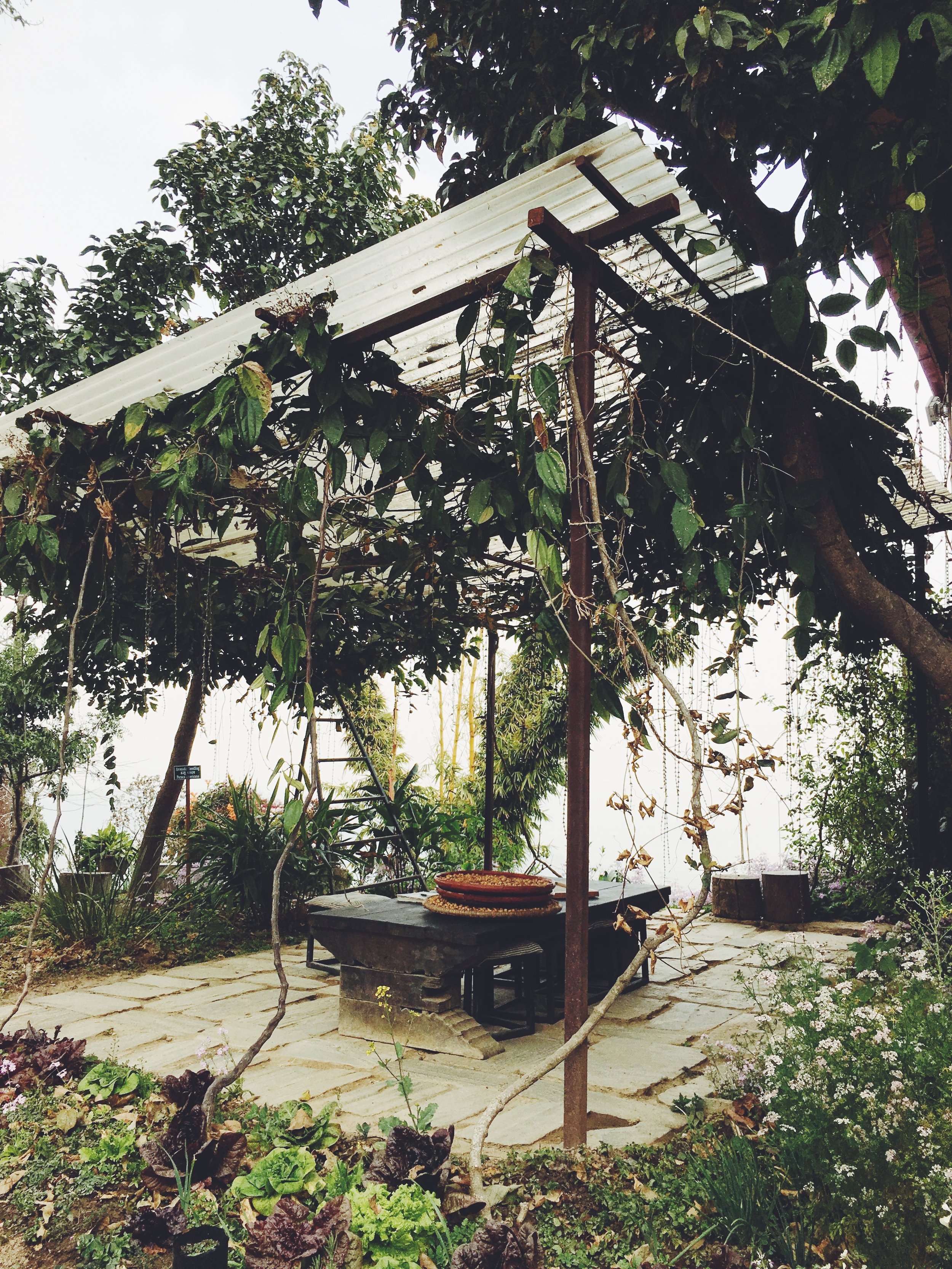
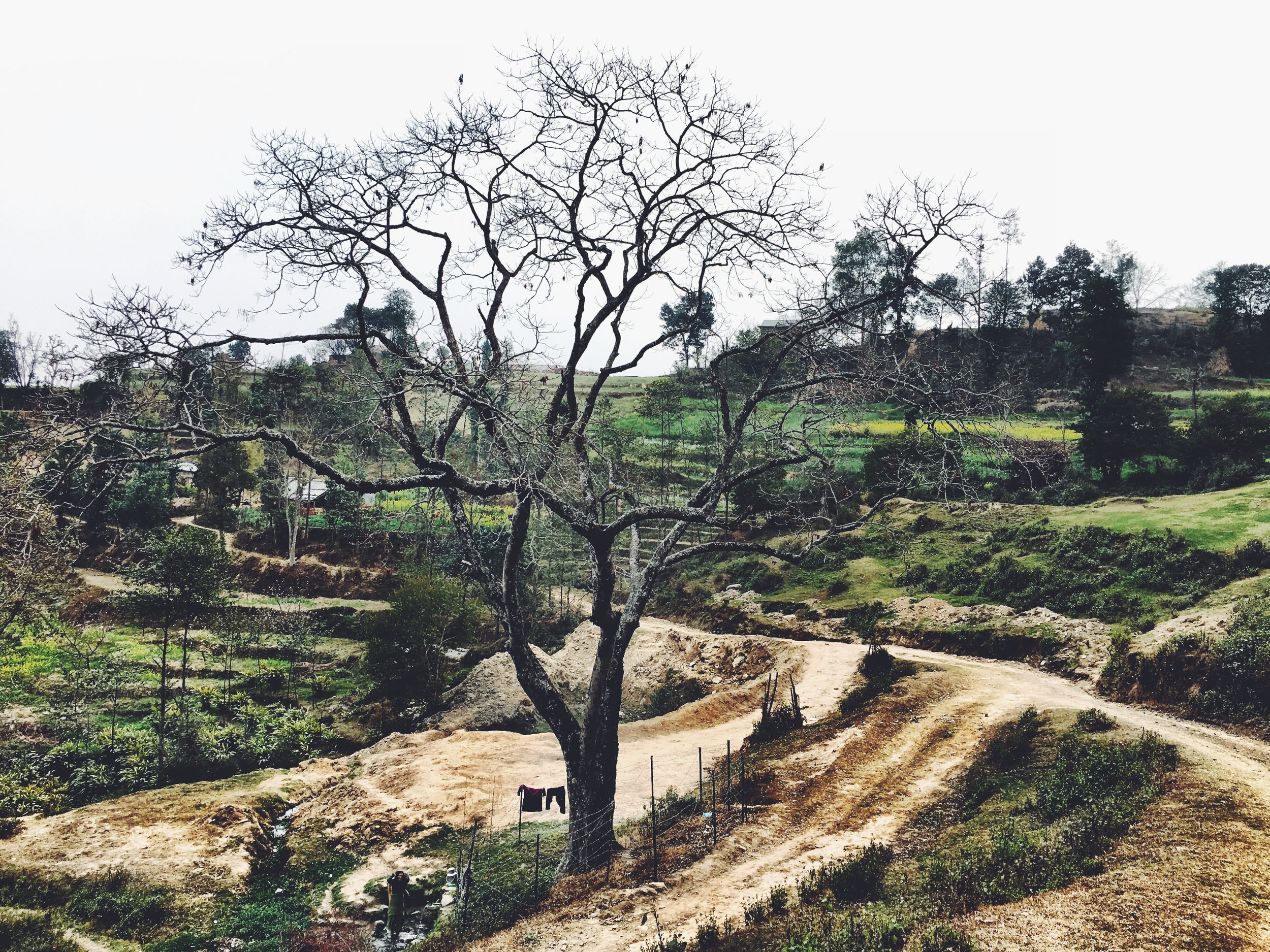
In this series of deep green initiatives in Nepal, we continue our journey to 'Everyday Organic', a green haven supplying and growing vegetables, trees, and herbs near Patalekhet village in Kavre district. From 1987 to 1994, the American couple Jim and Judith lived in Gamcha village near Thimi, promoting local ceramics and experimenting with organic farming between California and Kathmandu.
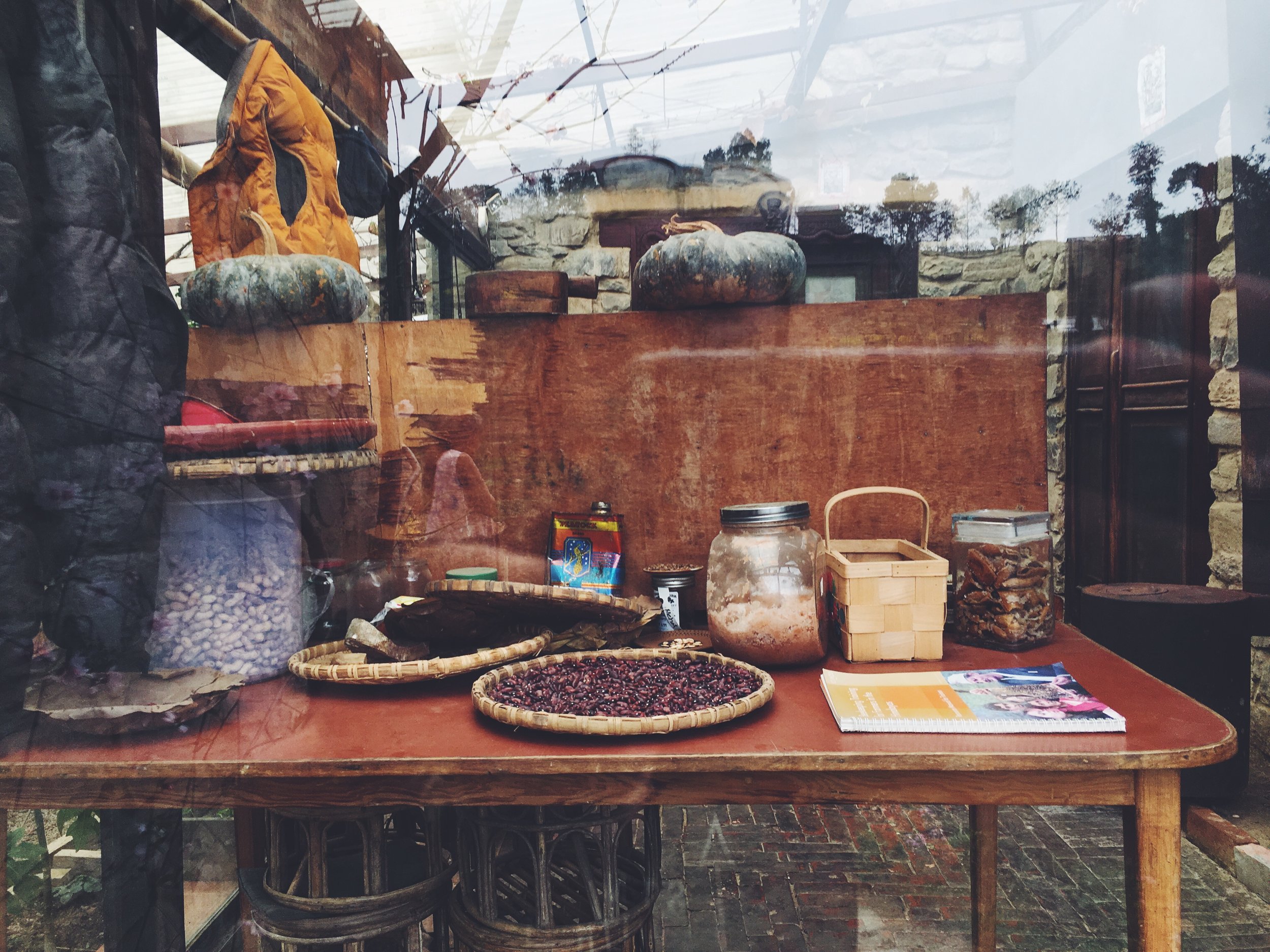
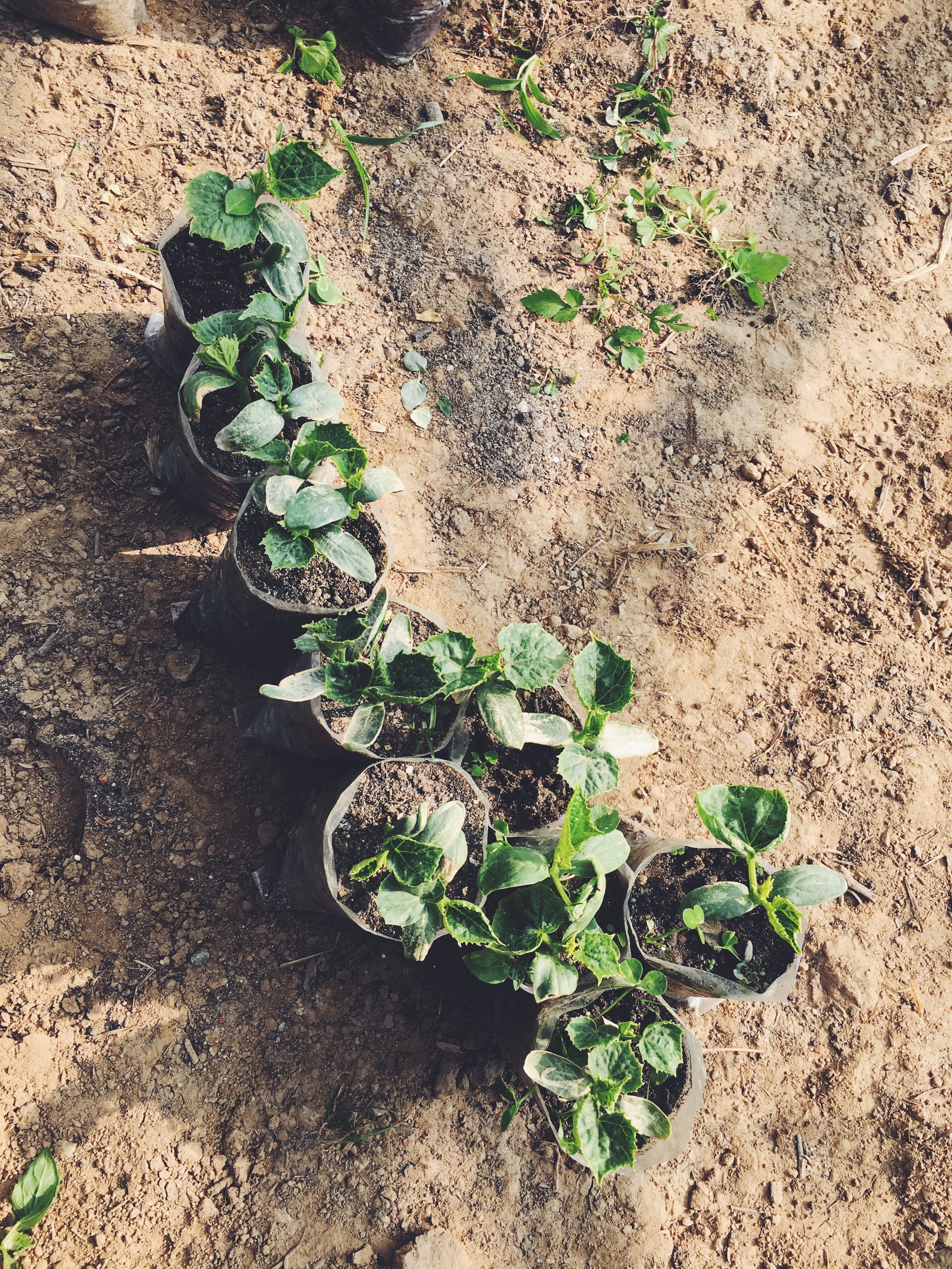
Today's nursery 'Everything Organic', was established in 2010, and aims to reinvigorate the wealth and health of traditional Nepali rural life and promoting this lifestyle to young nepalis by combining ancient practices with new approaches and techniques for organic farming. Nepal, which is still suffering after the earthquakes of 2015, has a vast potential for the production of organic produce. Sadly, decades of pesticides and chemical fertilizers have polluted the soil. The effect has now been directly linked to disease and poor health conditions amongst farming working directly with the substances in the surrounding areas.
Judith's farm demonstrates and teaches biointensive organic farming, which produces particularly large and healthy yields. In seven years, Oma has trained over 200 local farmers, mostly women, and over 50 of them have since adopted the organic practices. Her colleagues Binod and Shyam are spreading the knowledge across the country. Through their work, they are reconnecting with the soil, so that the dependent and destructive habits of chemical fertilizers can be eliminated and the production increased.
Working and cooperating with the local communities on marketing, trading of saplings and produce also inspires a new form of economic collaboration which strengthens and decentralises the local units. The trade of seedlings, food and wisdom between geographical communities is already part of the new economy of Nepal. Is it part of yours?
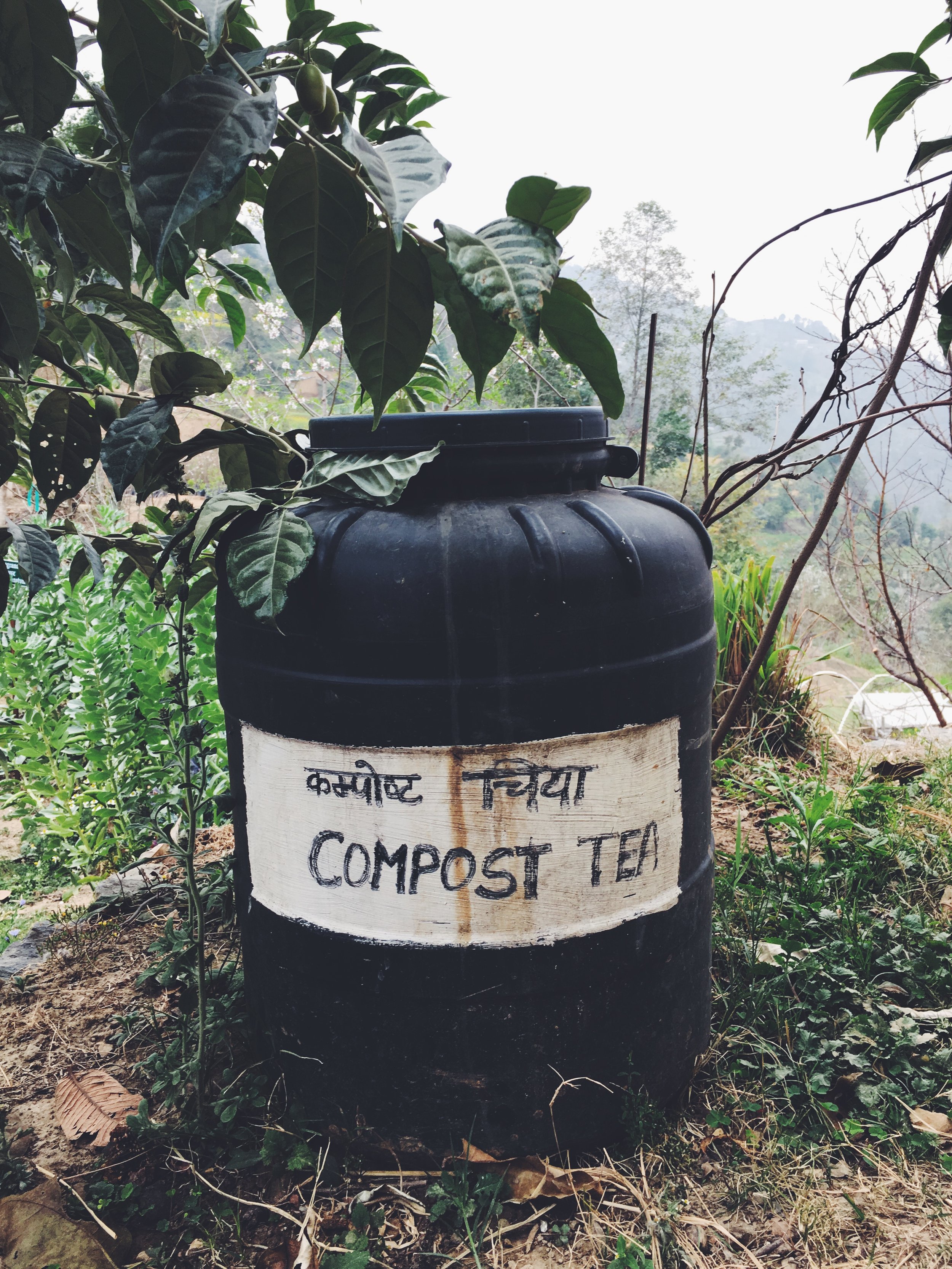
The farm has also experimented extensively with composting, water irrigation and pest control, and believes in sharing their findings with environmental activists around the world. In the following sheets, you can learn about: