• Home ✧
  • About
  • Offerings
    • L Y S N I N G (norsk)
    • L Y S N I N G
    • Healing Arts
    • Pathfinding & Rituals
    • Gene Keys Sessions
    • Forest Therapy
  • Events
  • Field Notes
  • Art
  • Regenerative Design
  • Pinecone Leadership
  • Testimonials
  • Contact

norwegian sage

  • Home ✧
  • About
  • Offerings
    • L Y S N I N G (norsk)
    • L Y S N I N G
    • Healing Arts
    • Pathfinding & Rituals
    • Gene Keys Sessions
    • Forest Therapy
  • Events
  • Field Notes
  • Art
  • Regenerative Design
  • Pinecone Leadership
  • Testimonials
  • Contact

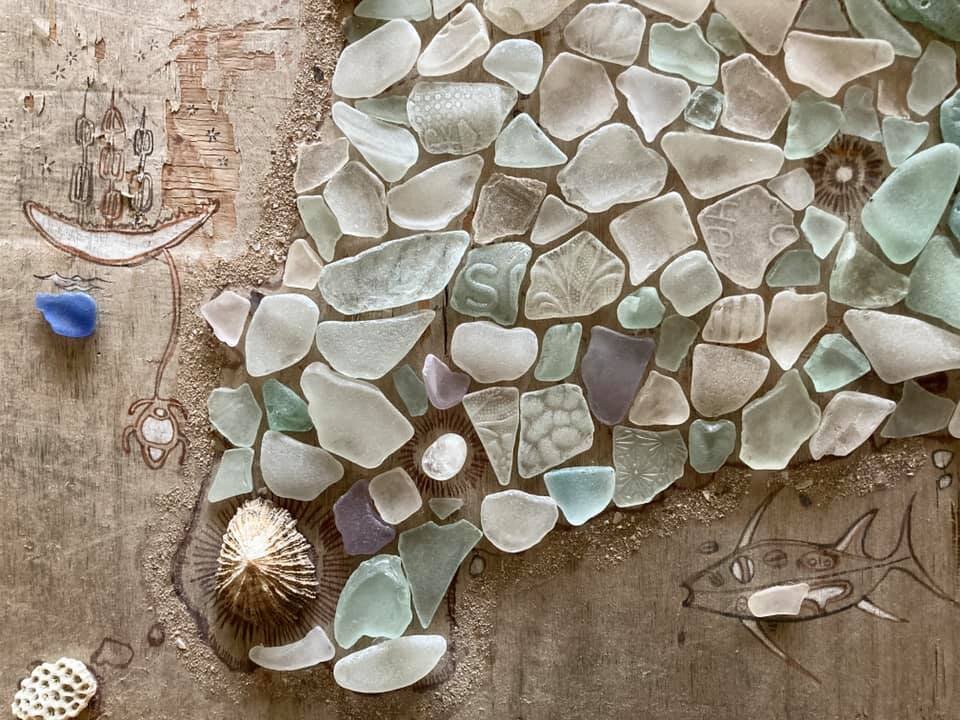
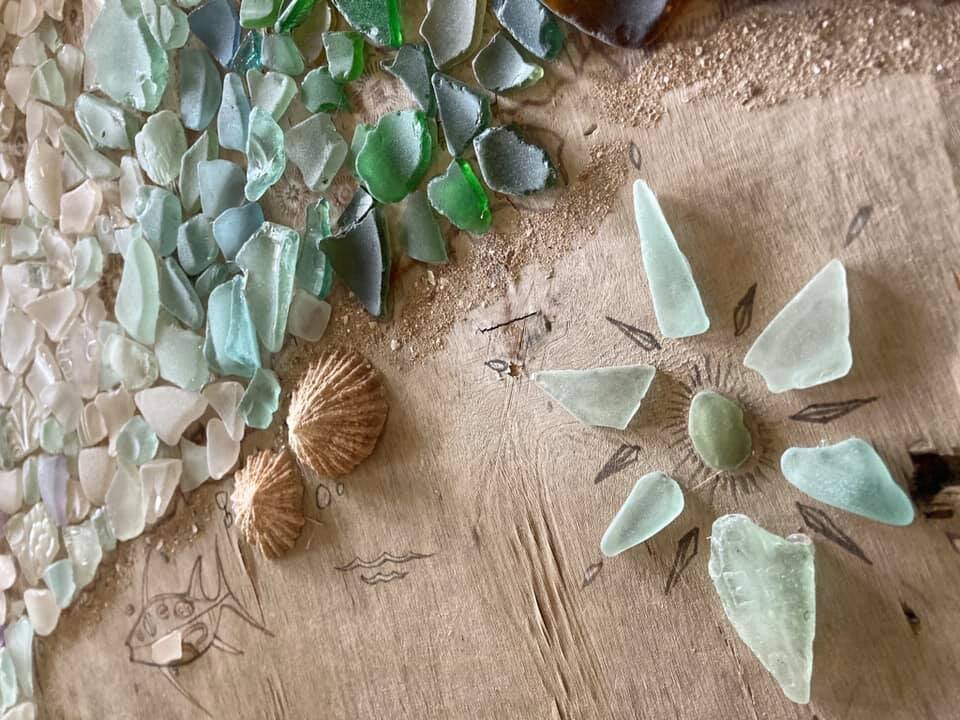
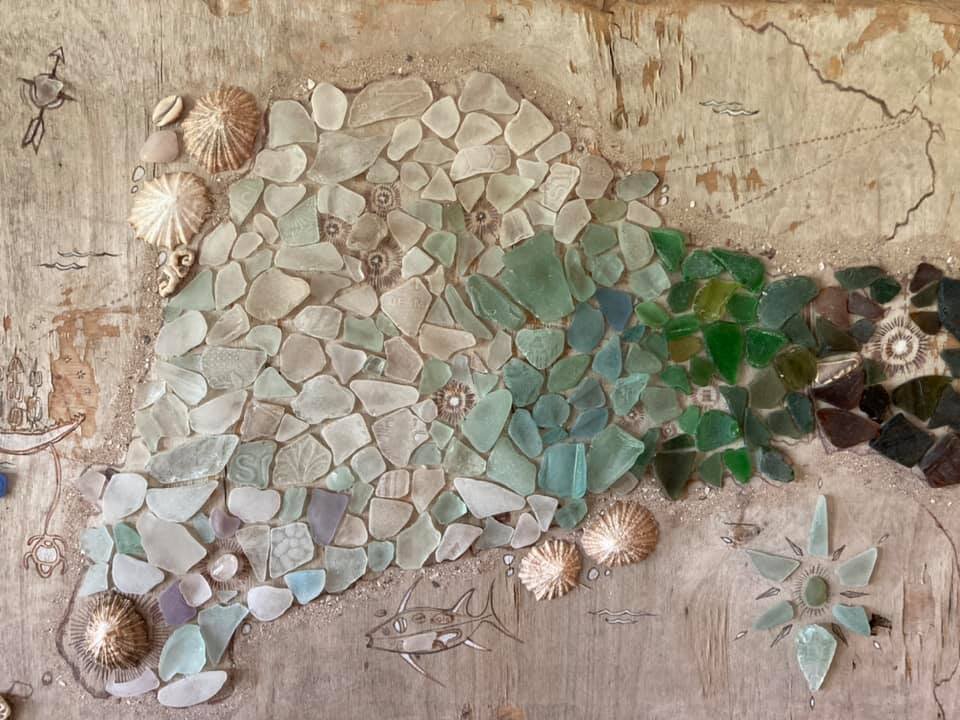
Art: ~ M Y : M O T O N U I ~

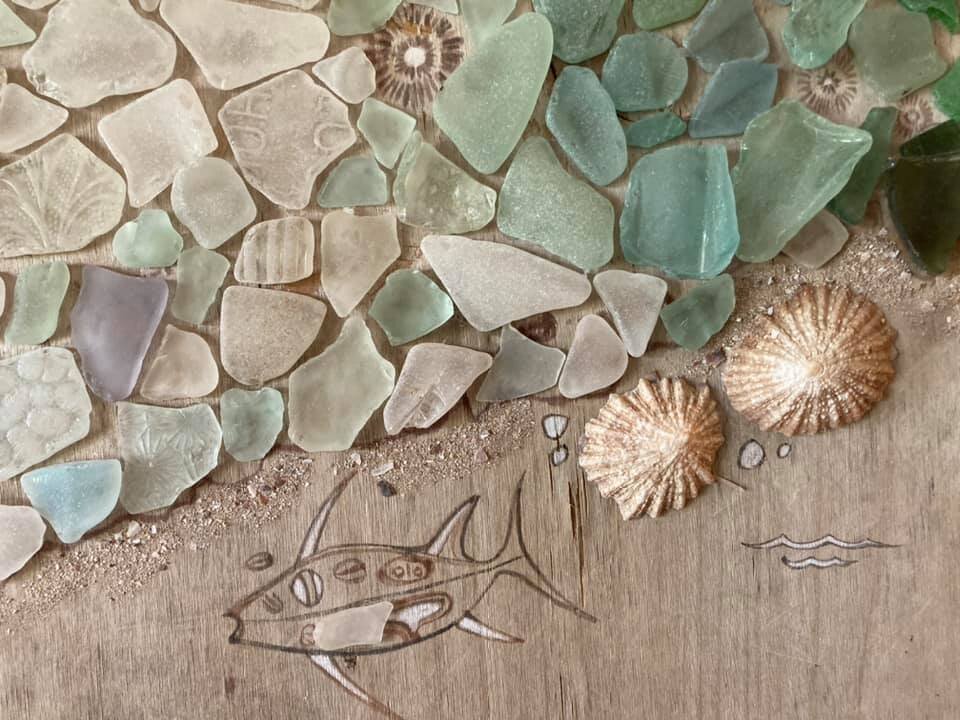
Seaglass and ink on driftwood (2020)

This piece is inspired by Norwegian explorer Thor Heyerdahl’s 1947 voyage with the Kon Tiki raft across the Pacific Ocean from South America to Rapa Nui/Easter Island. Thousands of years before Moana, Motu Nui was the home to the world's first great navigators, able to find their way solely by the constellations of the stars and the currents and temperatures of the water. The Polynesian islanders used sophisticated wayfinding techniques and knowledge passed by oral tradition from master to student, often in the form of song.

This is a tribute to all explorers of inner and outer waters, and the adventurous spirit of the child, with the curiosity and determination to find out what lies beyond the vast horizons.. The outer journey also represents the inner search for HOME, our deepest source of love and belonging – as put by Heyerdahl: “You will find paradise in your own heart”.

This piece began appearing in 2006, on a voyage from Madeira to the Canary Islands. The pieces of polished sea glass are collected from all over the world ~ from the shores of Lebanon, Scotland, Fuerteventura, Ula, Brazil, Japan, France, Morocco.. The driftwood was found in Viksfjord, Norway, and has been with me on my travels for many years, functioning as an altar-piece, drawing board and bedside table. The unified image holds the fragmented pieces of my own heroine’s journey and heart, finally coming together in a natural expression of wholeness and ethereal beauty..

Which compass are you navigating your inner waters with?

・。.・゜✭・.・✫・゜・。.

108137413_10158935142005656_1043147423102644694_n.jpg
108142809_10158935142655656_2795836988017471750_n.jpg
109652182_10158935144430656_5479349374379228161_n.jpg
107787977_10158935144440656_5991309375097274825_n.jpg
tags: art
categories: Fine Arts
Saturday 07.25.20
Posted by Caroline Hargreaves
 

Norðr Creative: Plant Poetry & Ambience at Oslo Fjordhage

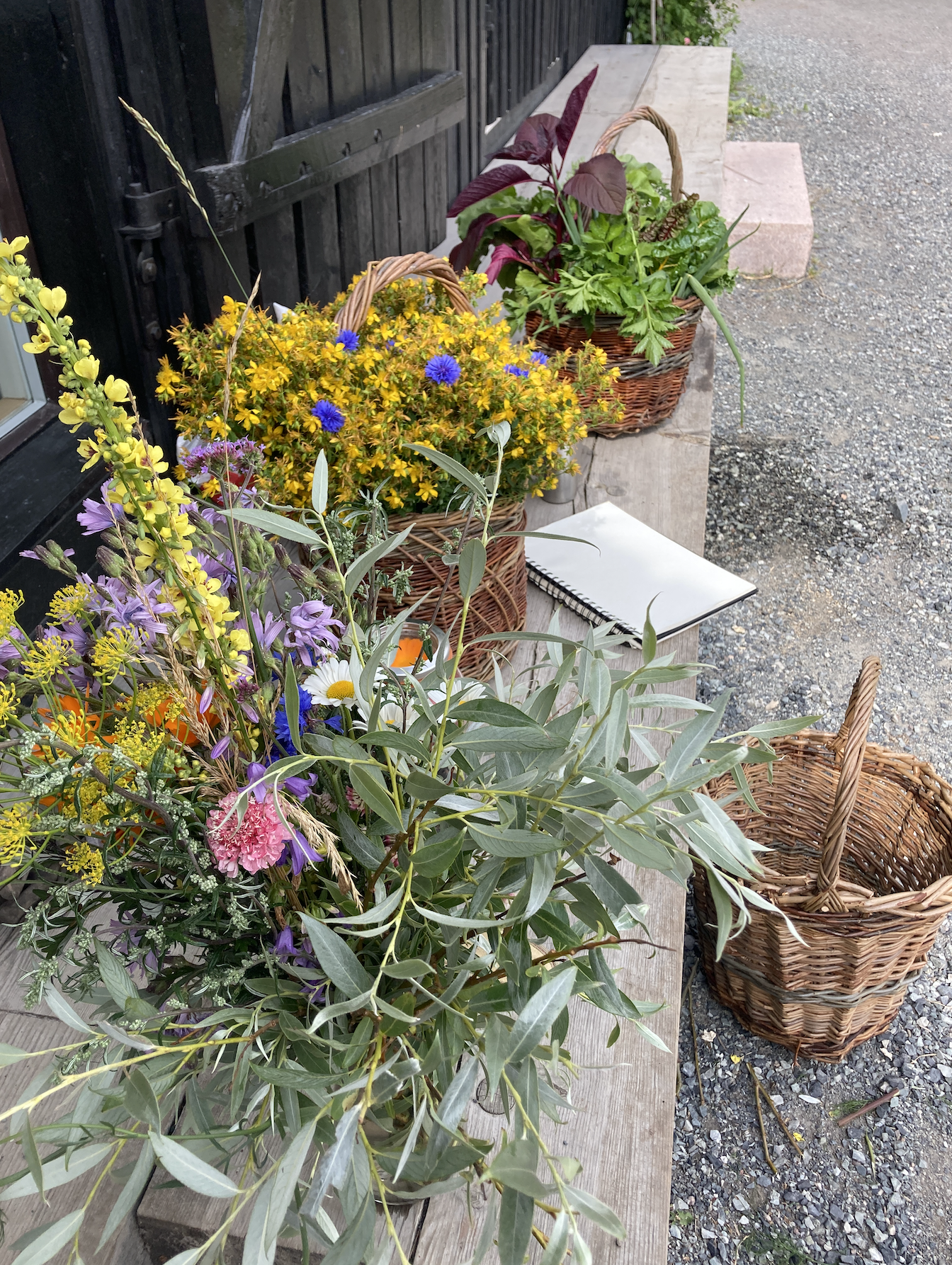
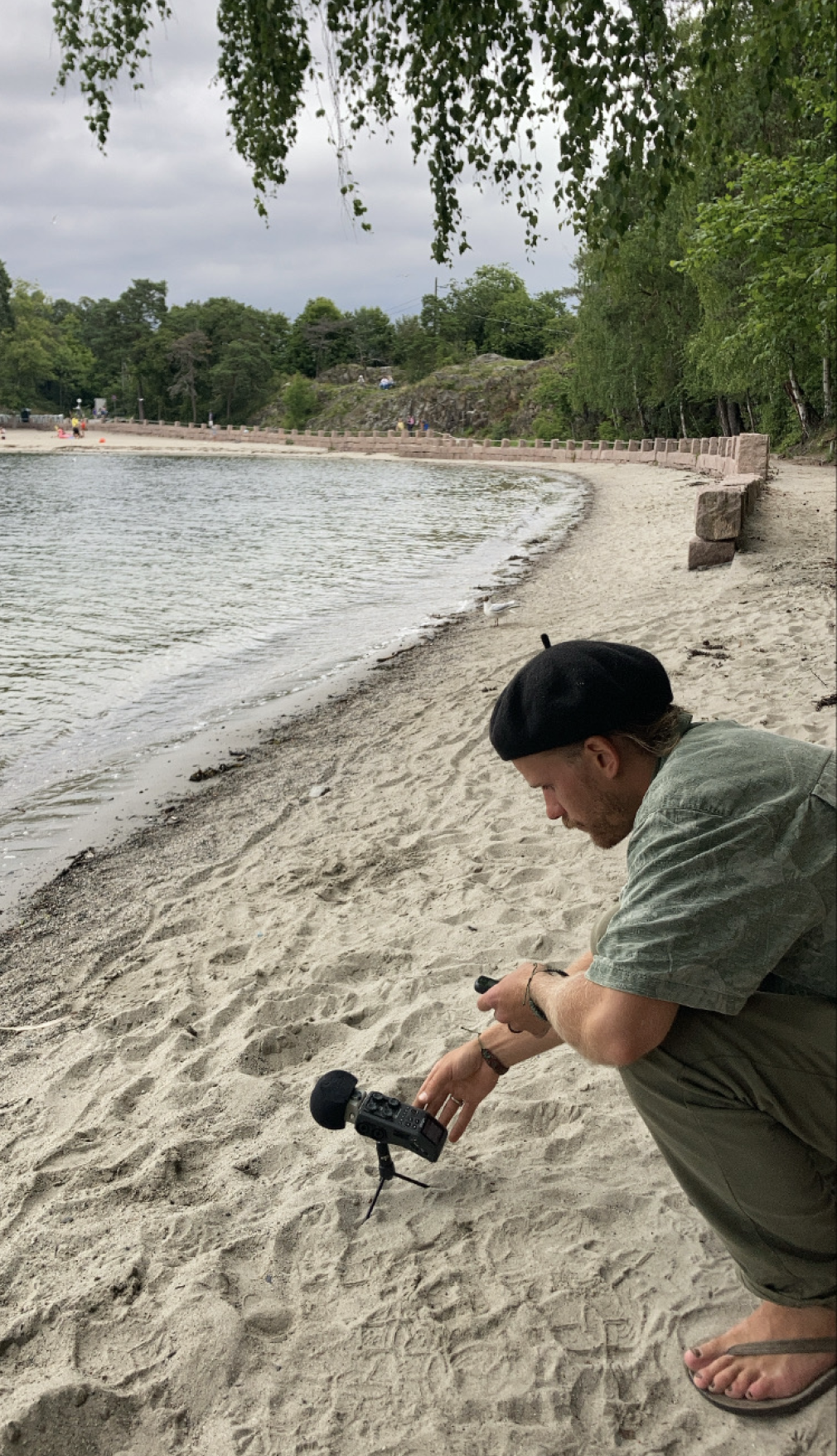
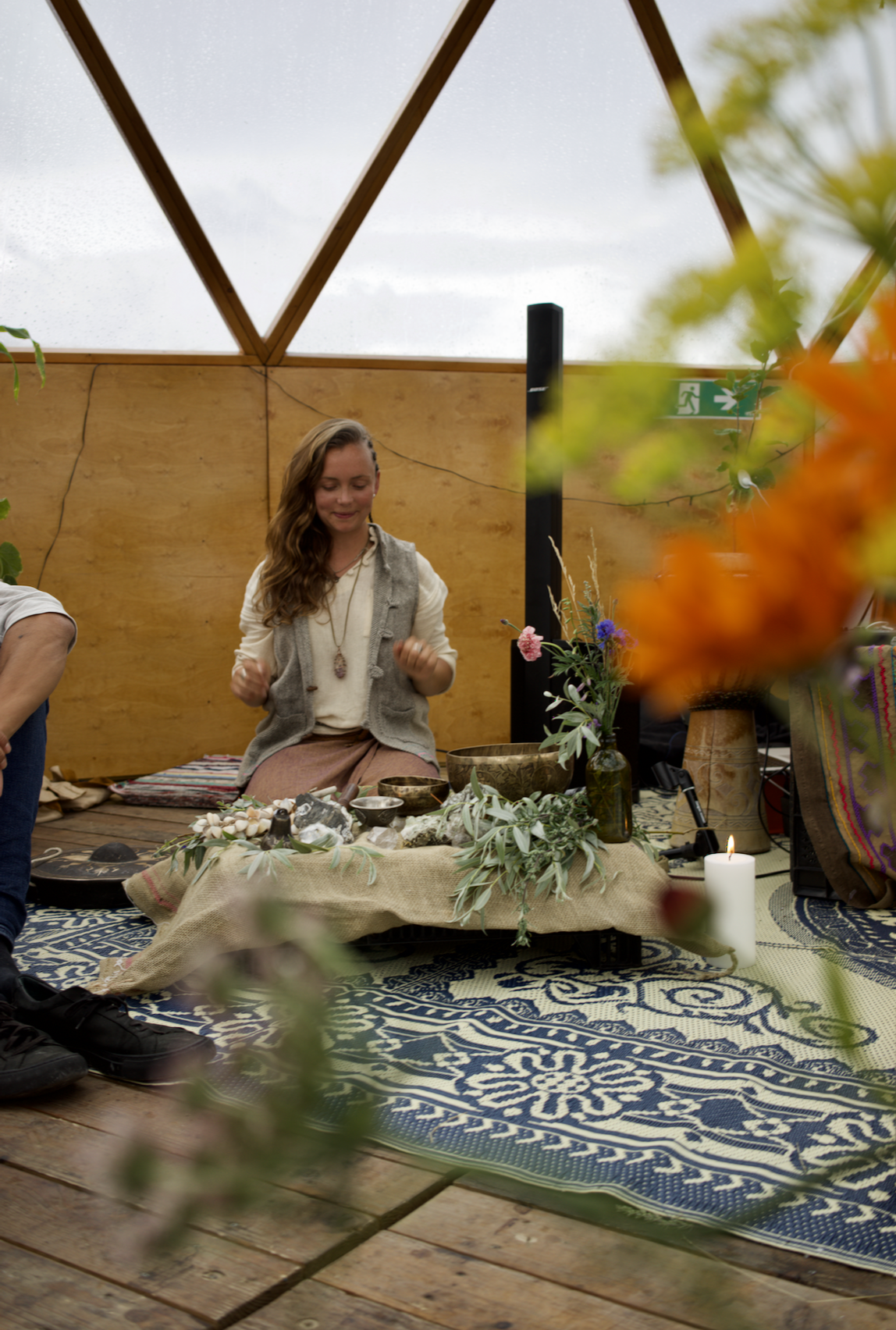
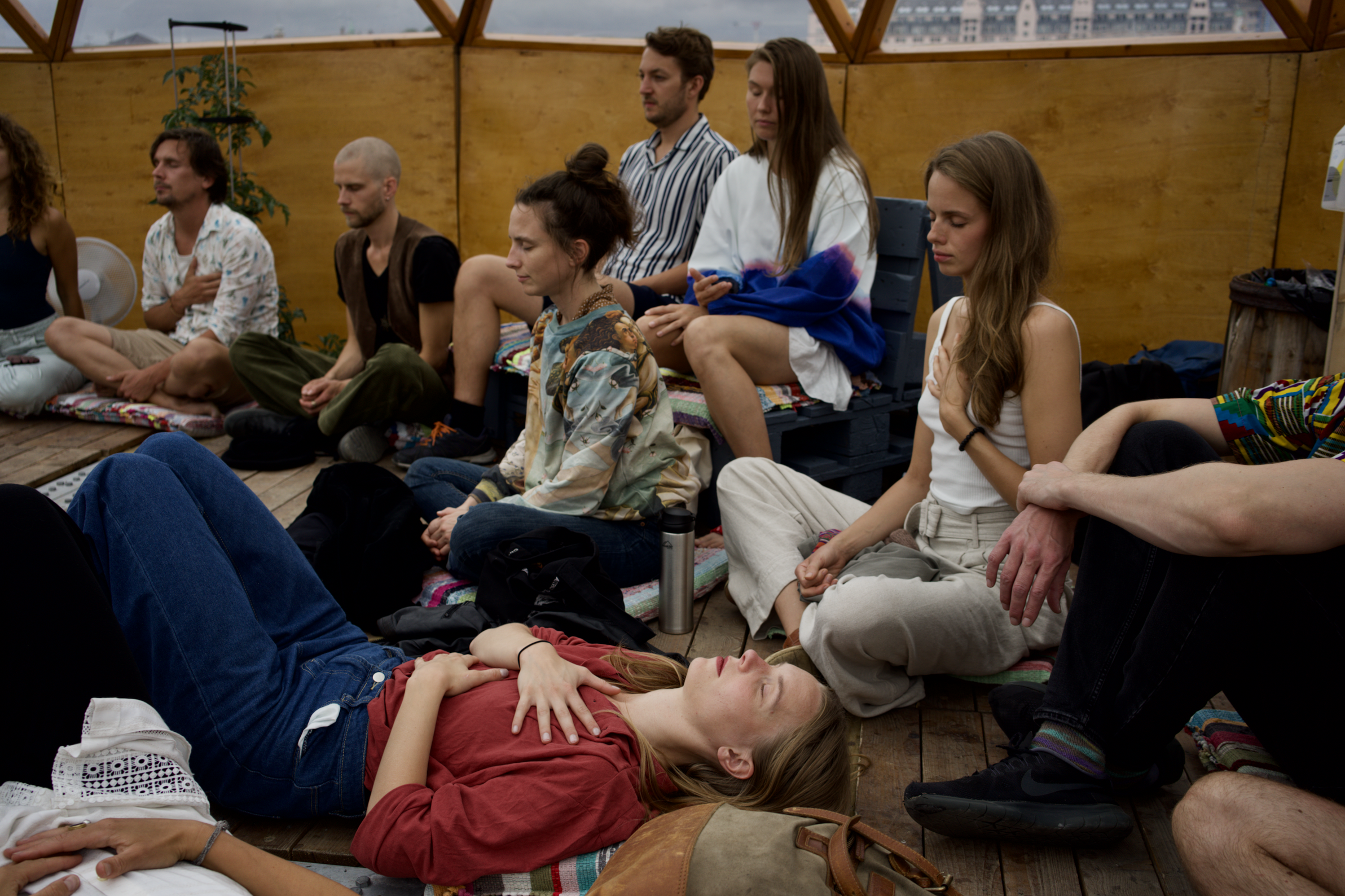
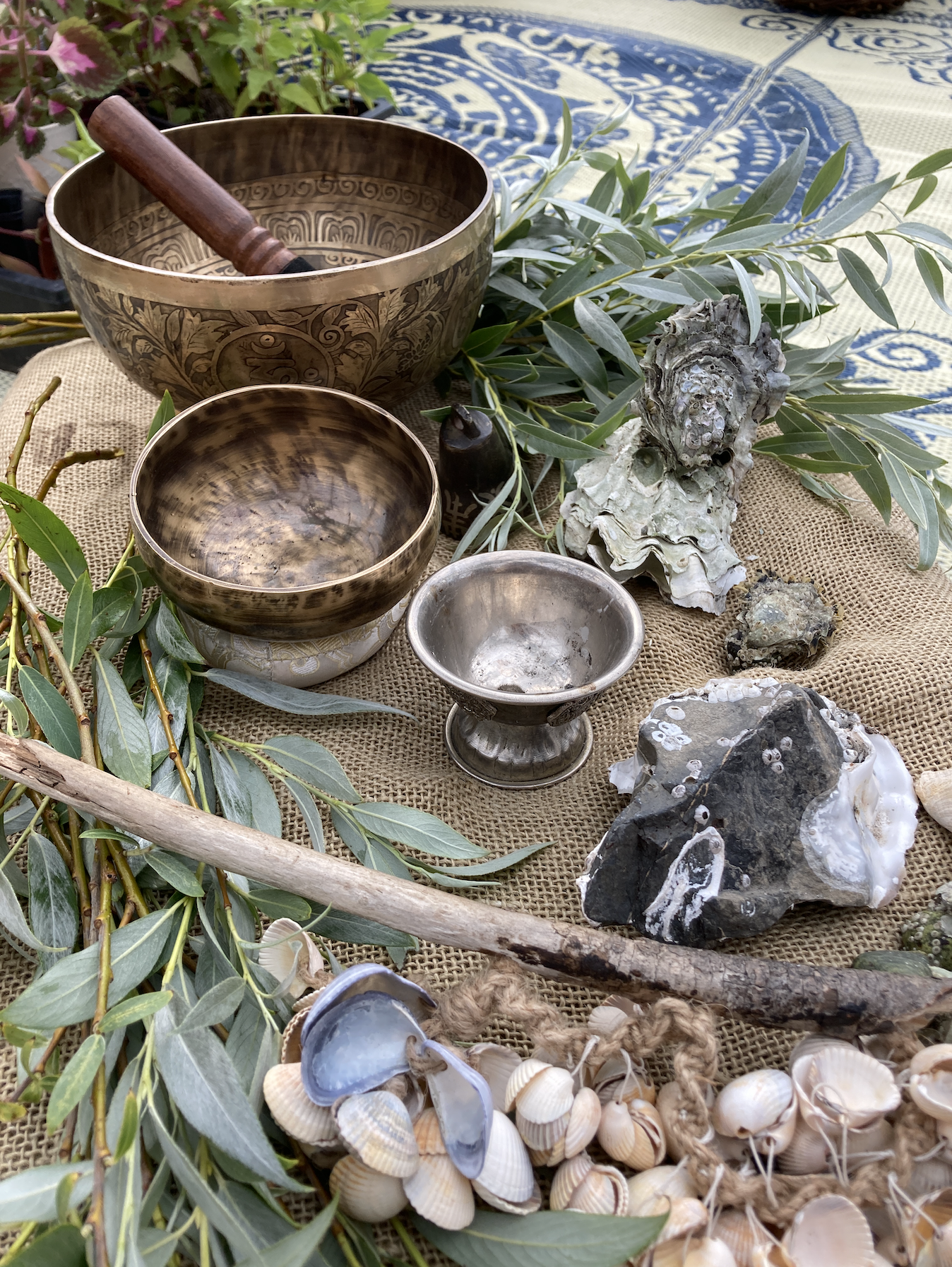
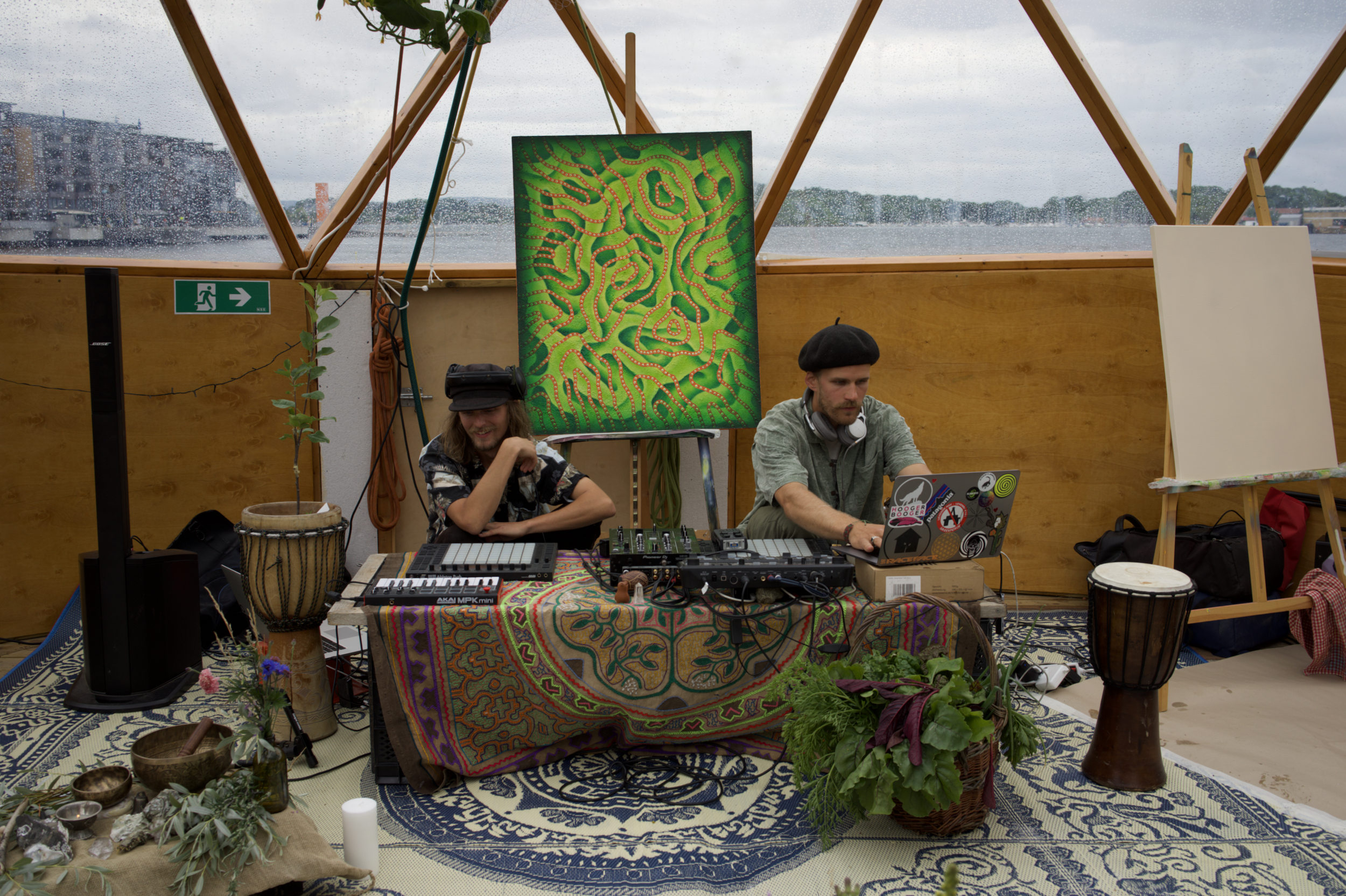
Thank you to everyone who came to our intimate concert and sound journey at Oslo Fjordhage yesterday! Organic Structure recorded sounds of nature and ocean from Bygdøy to the Opera House and we were accompanied by flowers and plants along the way.. 

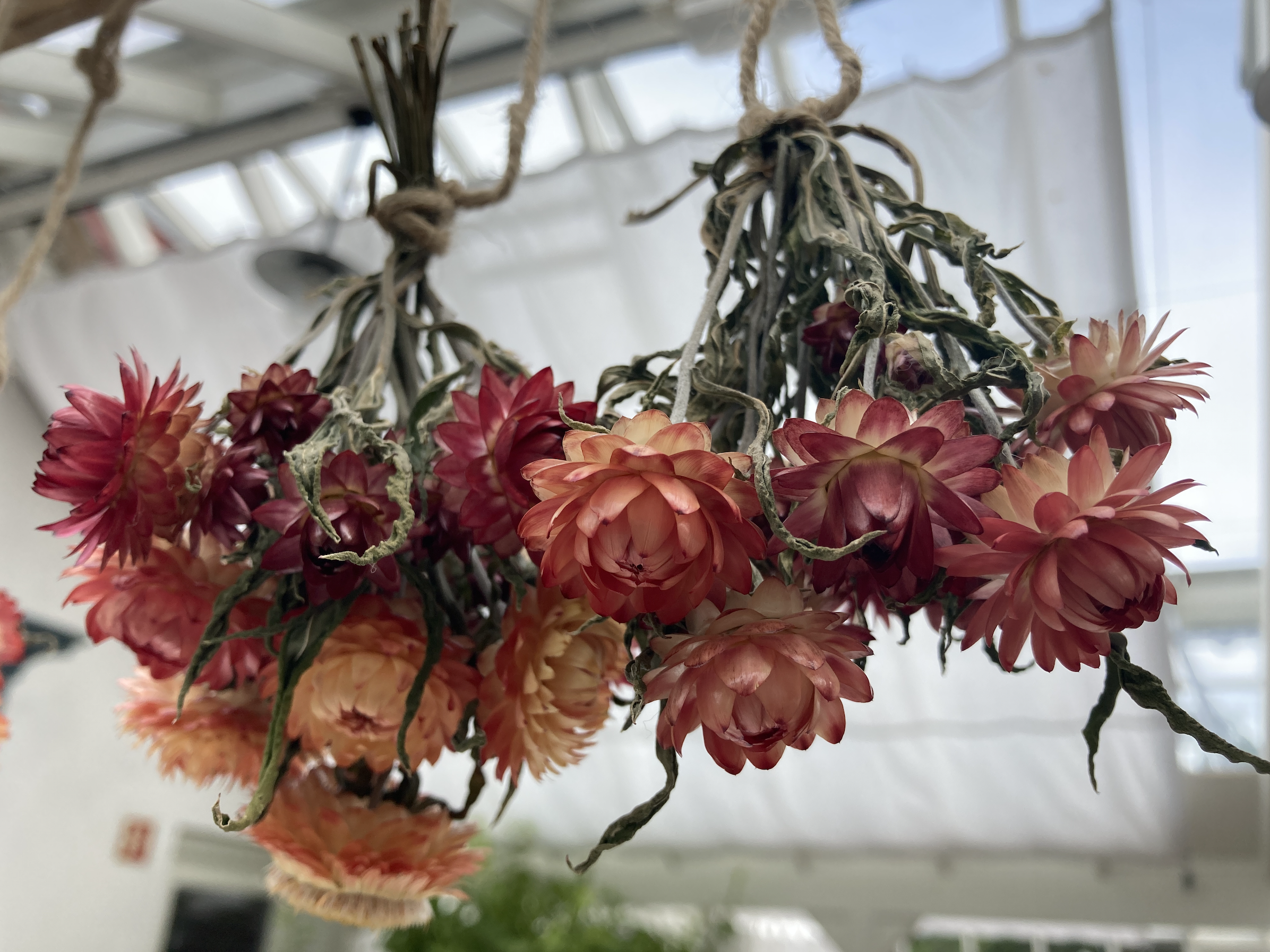
‘Plantronics’ is made with a device called MIDI Sprout where we can measure changes in the electrical currents which run across the surface of the leaves of plants, and convert these fluctuations into notes. 

Norwegian Sage read conscious poetry floating on the natural sound waves, allowing for a deep heart-experience.. The ambience was captured on canvas by Nikolai Kaasa Art and continued with soft beats from DJ Flymodus.. 

Thank you to everyone who helped organize, to our beautiful audience and to the all the flowers and plants that participated in the this living art installation! 

Norðr Creative is a nordic artful expression and force that unites local traditions with the global universe. We are excited to bring you more natural beats and experience in the near future…


Screenshot 2020-07-18 at 17.46.05.png
Screenshot 2020-07-18 at 17.45.38.png
Screenshot 2020-07-18 at 17.45.32.png
Screenshot 2020-07-18 at 17.38.43.png
Screenshot 2020-07-18 at 17.39.59.png
Screenshot 2020-07-18 at 17.45.43.png
Screenshot 2020-07-18 at 17.34.56.png
Screenshot 2020-07-18 at 17.35.48.png
Screenshot 2020-07-18 at 17.36.51.png
Screenshot 2020-07-18 at 17.39.23.png
Screenshot 2020-07-18 at 17.38.59.png
Screenshot 2020-07-18 at 17.35.10.png
Screenshot 2020-07-18 at 17.39.45.png
Screenshot 2020-07-18 at 17.40.12.png

Oslo Fjordhage er en arena for undervisning, bruk og forvaltning av fjordressurser i en urban kontekst. Fjordhagen mottar elever og undervise om urbant landbruk, urbant havbruk, og samspillet mellom dem. Fjordhagen er også en hub for mikroskaladyrking- og oppdrett av tare og blåskjell på ulike steder i fjorden, med formål å reparere det marine miljøet.

Saturday 07.18.20
Posted by Caroline Hargreaves
 

・༓☾ Forest Breath with Magnus and Caroline ☽༓・

Forest Breath is an immersion into the vitality of breath, supported by the richness of untouched nature..

You are invited to a deep journey of self-discovery through the practices of Breathwork and Forest bathing, supported by yoga, chanting, sharing circles, elemental fire ceremonies, foraging and nourishing food. Immersing in forest lakes, practicing self-care, enjoying the sauna, journaling and sharing the rhythms of the day as a community.

The program is dynamic, tailored to suit seekers of all kinds. The practices shared are designed to clear stagnant patterns of thought and action - opening for rest, flow and clarity. In the presence of the conscious breath, beneath the canopy of leaves and hidden lakes we find clarity to carve out the path for a radiant future.

With Forest Breath, we invite you to quiet down, let the vitality of the forest and the intelligence of the breath ignite our being, and integrate the wisdom through heart-based listening in a circle of fellows.

"Only in the woods was all at rest within me,
my soul became still and full of power."
〜 Knut Hamsun, ‘Pan’

35c88750-c5e9-4fd7-813f-8c96343918e8.JPG
4267B1FD-0362-4500-A524-807FC6D335B3.JPG
IMG_2714.jpg
8C0EE35E-0EA9-4FB4-8F36-136F7A42A889 2.JPG
F6724402-CC63-4FB6-8A26-FEC00E859BD9.jpeg
Screenshot 2020-08-31 at 15.34.39.png
BCDEF7A7-891F-4B6D-A682-C9C5908B7409.jpeg
Screenshot 2020-08-31 at 15.30.20.png
13AABB89-7C70-482F-8EF2-86321BFA05E6.jpeg
8B4E6FBC-73C3-4329-9E4B-0AE88967CA05.jpeg
32A0CB8F-8D5E-4EB9-B7DE-C7AD295A572C.JPG
Screenshot 2020-08-31 at 15.30.36.png
7e7d8769-9169-4961-8090-b5eb980867b9.JPG
Sunday 06.28.20
Posted by Caroline Hargreaves
 

...The Language of the Stars...

96283972_582709369011742_7525597526607527936_n.jpg

Somewhere, long time ago, in the first pages of my family lineage - there was a woman who spoke the language of the stars.. She danced with the ebb and flow of the tides, honoured the cycles of her own body, and gathered with the other women for nourishing rituals. She celebrated life, and knew the secrets of life force and alchemy..

A shapeshifter, she could hold the innocence of a newborn child and burn with the fury of an old witch. Looking into her eyes, you would stand face to face with a mirror reflecting the elixirs for your own healing. If you dared to see. Her third eye was open, allowing the currents of universal wisdom to run through her like cascading waterfalls. In stillness, she would now when to pause and when to act. She was well respected in the tribe for her visionary clarity, and would be consulted by the village leaders when important decisions were to be made. Why? Because she spoke with Nature. Not over it. Not around it. All of the harm done to the ecology, she would feel in her own blood, bones, marrow, tissue and cells. Her body was beating with the heartbeat of the Earth itself. Her health was the health of the Whole.

And so she would go to the forest to alleviate her pain. To converse with the ravens, the ferns and the wild flowers. To hold council with the moss, the aspen and the stinging nettle. Knowing that Nature’s wholeness and intelligence would give her the answers she needed to create our more beautiful world. She was the Sage, a long lost Earthen force - resting latently in the DNA of every feminine ready to receive her and unravel her mysteries and truths. Close your eyes.. Call her in from the depths of your soul.. Now do you remember? 

Wednesday 06.03.20
Posted by Caroline Hargreaves
 

〜 On the Light of Reiki 〜

101025126_10158786440305656_7687580341275459584_n (1).jpg

I woke up today feeling to share some reflections around a path of my journey I rarely speak about.. The following words are coming from a place of deep honour, vulnerability and awe for this practice.

༓・ When I was 21, I had my first initiation into the healing forces of Reiki with my much revered teacher, Alison Strandberg in Scotland. I still remember the rush of energy moving up my spine like it was yesterday - and the feeling of being bathed in a golden light, in the universal vibrations of love and harmony. At 23, I did my second initiation..

༓・ At 29, by mysterious means, I found myself sitting in the middle of this star-shaped mandala at the sacred Mountain of Kurama in Japan, known as the birthplace of reiki. This is where Mikao Usui underwent 21-days of shugyo (deep mind and body training). He fasted, prayed and meditated near a cedar tree, called Osugi in Japanese. In Shinto Religion, these old, massive trees are worshipped as deities (kami), guardians of ancient wisdom. On the last day of his training Usui received the healing rays of reiki, and began offering his services to anyone who were open to receive the healing. Thousands of people have since benefitted from giving or receiving reiki.

༓・To me, reiki is a force of intelligent wholeness, a spirit which is alive in me, ever more present, and demands that I stand up, speak up and remain clear and dedicated to my path. At 31, completed the advanced Reiki training. In light of my deep reverence for this lineage, it has taken time for me to find the core stability needed to feel ready to share the medicine with my community. It happened to be at my most vulnerable when the spirit wanted to move through me again.

༓・In the darkest hours of Covid-19, I was recharged and reminded, able to rest in the fertile silence and soil of these higher dimensional states. Usui Sensei recognized that there is an inner healer within all people and life forms. He created a way to teach others how to allow Usui Reiki to awaken, realign, and enhance the inner healer while bringing the healing balance and harmony of universal energy to all atoms in mind/body/spirit together.

༓・Like Usui, I have found that I can integrate reiki with my own healing modalities - nordic touch therapy, acupresence and forest therapy. After all, it is the innate life force of nature that is allowed to move freely through my being - to clear blockages, purify and release.

༓・When channeling reiki, I am empowered to facilitate deep transformation and life changes in my clients. The practice works for anyone who feels ready to move beyond their current perceived boundaries, limits, challenges, traumas and negative life patterns. Reiki recalibrates vibrations of conflict and disruption, and opens for peace and tranquility on a deep cellular level 〜 alignment to the natural law, the law of light, our dharma.

"Today’s world is swamped by artificial energy and mechanically manufactured fields of energy. This can have a negative impact on a quiet world that was regulated by the natural influences of pure universal vibrations. Usui Reiki Ryoho in its pure form as Mikao Usui founded it is the raft that helps you through the murky waters of manufactured energy." - R. Barnes

"One cannot be on the path without becoming the path” - Siddharta Gautama Buddha

In deep gratitude,

C

Wednesday 05.27.20
Posted by Caroline Hargreaves
 

Forest Bathing: The healing power of nature therapy

sebastian-unrau-sp-p7uuT0tw-unsplash-scaled.jpg

Text : Jonathan Carson

When you look at this photo of a forest, how does it make you feel? What if you could hear the crunch of leaves and twigs under your feet, the birds singing and the trees rustling in the breeze? What if you could smell the damp soil and fresh pine needles? What if you could feel the cool air and the warmth of the dappled sunlight on your face? This is the experience of forest bathing – awakening your senses to the fullness of the natural world.

Forest bathing has a wide range of health benefits, including strengthening your immune and cardiovascular systems, improving your energy and mood, and helping you to sleep more, lose weight, and potentially even live longer. As someone who has spent a lot of time hiking in the beautiful native forests of New Zealand, I can attest to the mental benefits of forest bathing. Nature has become my most reliable and consistent form of therapy and I’ve lost count of the times that a walk in the forest has lifted me out of a depression and recalibrated my mind. We all know the healing power of nature. That’s why we say things like, “Let’s go outside and get some fresh air”. We know that being outside makes us feel better. Forest bathing and the research around it helps us to understand why nature makes us feel better and how we can maximise its healing power in our lives.

What is forest bathing?

I know it sounds like taking a luxurious, wood-fired bubble bath in the middle of a secluded forest. And while that does sound amazing, you don’t actually need a bath or a forest to go forest bathing. I think it’s important to understand that forest bathing isn’t anything new. Humans have been hanging out in forests since we emerged as a species. We’ve lived in forests longer than we’ve lived in cities. But the concept of forest bathing only developed during the 1980s in Japan, where it’s known as Shinrin-Yoku.  The Japanese government funded research into the health benefits of spending time in nature as a potential antidote for our modern way of life. The findings of that research and subsequent studies have provided valuable evidence for the health benefits of forest bathing. That led to the Japanese government including Shinrin-Yoku in its national health program and doctors there routinely prescribe forest bathing to patients.

Forest bathing is the act of opening all of your senses to nature. Dr Qing Li, one of Japan’s leading Shinrin-Yoku researchers and author of the book Forest Bathing: How Trees Can Help You Find Health and Happiness describes it like this:

“It is simply being in nature, connecting with it through our senses of sight, hearing, taste, smell and touch.”

How to do forest bathing

Forest bathing does not require you to visit a proper wild forest. You simply need to be around a few trees, which could even be in your backyard or local park, and take some time to let all of your senses experience nature. What does it look like? What does it sound like? What does it smell like? What does it feel like? What does it taste like? The simple act of bringing your attention to nature can help you to heal, Dr Li says.

“Shinrin-yoku is like a bridge. By opening our senses, it bridges the gap between us and the natural world. And when we are in harmony with the natural world we can begin to heal. Our nervous system can reset itself, our bodies and minds can go back to how they ought to be. No longer out of kilter with nature but once again in tune with it, we are refreshed and restored.”

It’s as though consciously focussing on each of your senses has a meditative effect and draws you into the present moment. I know it sounds a bit woo woo, but there is plenty of science to back these claims up.

The science of forest bathing 

The Japanese government has invested millions of dollars into studying the scientific benefits of forest bathing. So far, scientists have found that forest bathing has positive effects on a wide range of health conditions. Simply being in a forest has been shown to reduce indicators of stress and anxiety, improve mood and immune system functionality (our innate ability to fight viruses, infections and even cancer). These aren’t just isolated studies. Decades of research seems to support the idea that nature is a powerful healer.

allef-vinicius-oLwiWKl4MnQ-unsplash-scaled.jpg

Forest Medicine 

Study 1: Forest bathing and relaxation 

From 2005 to 2006 in Japan, 280 male university students took part in a forest bathing study.

The participants – 12 at a time – were taken to visit a forest area and a city area across 24 different parts of Japan.

As much as possible, conditions for each of the participants were kept the same.

When they arrived at each site, they were seated in chairs to take in the landscape for about 14 minutes followed by a walk for about 16 minutes.

Their blood pressure, pulse rate and heart rate variability was measured and saliva collected in the morning before breakfast and before and after each seated viewing and walk.

The results, published in 2009, found that forest environments could lower concentrations of cortisol (stress hormone), lower pulse rate, lower blood pressure, increase parasympathetic nerve activity, and lower sympathetic nerve activity compared with city settings.

“The results of the physiological measurements suggest that Shinrin-yoku can aid in effectively relaxing the human body,” according to the study.


Study 2: Forest bathing and chronic disease 

In 2016, 19 men, ranging in age from 40 to 69 years, took part in a similar forest bathing study in Japan.

They first visited an urban area with almost no trees as a control. They walked 2.6 kilometres for 80 minutes in the morning and again in the afternoon.

A week later, they did the same thing in a forest area in central Japan.

Blood and urine were sampled in the morning before and after each trip. Cardiovascular and metabolic parameters were measured. Blood pressure and pulse rate were measured using an automatic monitor at the same time every 20 minutes during the trip.

Scientists also conducted the Japanese version of a Profile of Mood States (POMS) assessment with each of the participants before, during and after the trips.

The data found that forest bathing produced significant benefits compared to walking in an urban area, including:

  • Decrease in pulse rate (suggests participants were calmer)

  • Decrease in urinary dopamine and adrenaline (suggests participants were more relaxed)

  • Increase in adiponectin in serum (regulates glucose levels and may help prevent obesity, type-2 diabetes and heart disease)

  • Decrease in negative moods such as anxiety, depression, fatigue and confusion

  • Increase in feelings of vigor (physical strength and good health)

While this is a fairly small sample size, the findings support the idea that spending time in a forest has a host of health benefits.


Study 3. Forest bathing and cancer 

A 2008 study of 13 female nurses in Japan found that taking three two-hour walks in a forest over two days increased human natural killer (NK) cell activity, the number of NK cells, and levels of intracellular anti-cancer proteins.

In more simple terms, forest bathing enhanced the immune system’s ability to fight viruses and cancer.

What’s even more incredible is that these positive health effects lasted for at least a week after the trip.

The study suggested that phytoncides (wood essential oils) may partially contribute to increased NK activity (I’ll get into phytoncides more below).

An earlier study had similar results with male participants.

Study 4: Forest bathing and depression 

In one of the most comprehensive studies to date, 155 people took part in 16 day-long forest bathing sessions over three years, between 2012 and 2014.

Of the 155 participants, 58 (or 37%) of them had depressive tendencies, based on the Kessler Psychological Distress Scale.

Participants visited a forest area in Japan in Spring or Autumn and spent two hours walking in the forest with a guide.

It’s worth noting that the guides also introduced breathing techniques, yoga exercises and hammock experiences to the participants, which likely influenced the results.

Physiological measurements, including blood pressure, pulse rate, circulation and autonomic nerve function, were done before and after forest bathing sessions. Psychological tests, including the POMS mentioned above, were also undertaken.

Study 5: Forest bathing outside Japan 

Just in case you’re thinking, “Yeah yeah, but all those studies are in Japan”, I wanted to include this study from Australia, published in Nature magazine in 2016.

The study attempted to determine a minimum effective “dose” of forest therapy as treatment for high blood pressure and depression.

The study used data from self-reported online surveys from 1538 participants in Brisbane City, Australia. Over a week, they measured the frequency of outdoor green space visits, the duration of those visits, and the “intensity” of the nature.

Participants also reported back on their mental health, physical health, social health, and health behaviour (physical activity).

“We observed significantly fewer cases of depression and high blood pressure in people who spent an average of 30 minutes or more visiting green space in the survey week, and there was some indication that longer duration visits may be associated with an even lower prevalence of depression.”

This study suggests that spending as little as 30 minutes in nature a week can be an effective antidote for depression and prevent high blood pressure.

There are many more forest bathing studies out there, but these five show the wide-ranging benefits of nature therapy and well and truly supported by science.


Why forest therapy works

The question of why forest bathing works hasn’t really been explored in the scientific literature. But I have my theories, some of which are supported by the science.

It’s in our genes

As I mentioned earlier, humans have lived in nature for longer than we’ve lived in towns or cities. Nature is an important part of our evolution. Today, we have largely disconnected ourselves from nature. We live in houses or apartments in concrete jungles. We work in offices. We get our food from supermarkets or fast food restaurants. We exercise in gyms. We entertain ourselves with technology. We’re constantly surrounded by the sounds of traffic and city life. In the context of our modern way of living, going to the forest is a radical act. By leaving the city environment and visiting a natural environment we transport ourselves from a state of chaos to a state of calm. There’s less noise, fewer people and fewer distractions. Simply changing our environment gives our nervous system a chance to recalibrate and relax.

I also believe that humans have an innate evolutionary memory. It’s like our genes remember where they came from, that we are part of nature not separate from it. Going to the forest is like a homecoming. The colours, shapes, smells and feelings are innately familiar to us. We feel like we belong.

Those two factors alone – disconnecting from the modern world and feeling like we’re at home in the forest – would have healing and soothing effects on the mind and body similar to those identified in the forest bathing studies.

The aroma of the forest 

It’s also likely that phytoncides, sometimes referred to as “the aroma of the forest”, have healing properties. Phytoncides are antimicrobial essential oils excreted from trees to protect them from bacteria, insects and fungi. However, it seems that they also have health benefits for humans. When we say that it feels good to breathe the fresh air in the forest, we might really mean that it feels good to inhale the phytocides of the forest. The research on phytoncides isn’t yet conclusive, but there’s enough to suggest that they play a role in forest therapy.

A walk in the woods

Visiting nature typically involves taking a walk. In the studies cited above, participants walked in the forest for between 16 minutes and two hours. The physical and mental health benefits of walking are well established. You could think of forest bathing as “walking on steroids”. You get all the benefits of walking around the block and a whole lot more.

Forest bathing is meditation

Finally, I see forest bathing as a form of meditation. It requires you to connect with your body and be mindful of your senses. It then asks you to focus your senses on one thing – the forest. You’re focussed on what you can see, hear, smell, taste and touch in the moment. Your thoughts and worries about the day take a back seat. That’s meditation. The health benefits of meditation are conclusive. I suggest one of the reasons why forest bathing works is because it’s a meditative experience.
Let nature be thy medicine

The best way to test the effectiveness of forest bathing is by conducting your own N of 1 trial. You simply have to wait for the next time your mood takes a dive and make the time to visit a forest. Or even better, don’t wait for your mood to dive and schedule in some nature therapy anyway. Take a walk, open your senses fully to the experience and bathe in the forest. Do you feel better? Calmer, happier, more grounded? Do you feel at home? Find your upcoming walk with Norwegian Sage here.

Further reading 

I highly recommend getting a copy of Dr Qing Li’s book Forest Bathing: How Trees Can Help You Find Health and Happiness. Dr Li is the world’s leading forest bathing researcher and the book is a beautifully written ode to the healing powers of nature.

References

  • https://pdfs.semanticscholar.org/43df/b42bc2f7b212eb288d2e7be289d251f15bfd.pdf

  • https://www.hindawi.com/journals/ecam/2016/2587381/#abstracthttps://www.ncbi.nlm.nih.gov/pubmed/18394317

  • https://www.ncbi.nlm.nih.gov/pubmed/17903349https://www.ncbi.nlm.nih.gov/pmc/articles/PMC6589172/

  • https://www.tac.vic.gov.au/files-to-move/media/upload/k10_english.pdf

  • https://www.nature.com/articles/srep28551https://www.ncbi.nlm.nih.gov/pmc/articles/PMC2793341/

  • https://www.health.harvard.edu/staying-healthy/walking-your-steps-to-health


tags: forest therapy
categories: Forest Therapy
Tuesday 05.26.20
Posted by Caroline Hargreaves
 

Nature's Diplomat - The Nature Location // Emergence School of Leadership

Screenshot 2020-05-15 at 12.27.03.png

Caroline Hargreaves, founder of Norwegian Sage, shares her reflections about the future of work with The Nature Location / Emergence School of Leadership! Project Managers Marjana Bøstrand and Øyunn Iversen are researching nature-based workplaces. Read more about the project here.

Can you tell us about your initiative?

Norwegian Sage is a platform offering wholeness therapy, guidance and inspiration for individuals and groups who are ready to lead themselves and others on nature’s premises. Throughout my education and professional life, a constant theme for me has been the search for peace - whether that of a human being, a community or a nation state. I also have a background working with global peace processes and humanitarian crises in diplomatic channels. Very early in this work I realised that peace can never be achieved if the people leading these processes do not have a deep cellular experience of inner peace, and the rituals needed to create and maintain the equilibrium in our inner and outer ecology.

Norwegian Sage is a voice and a space for this wholeness - a feeling we know before we enter this life and return to when we transition to the other side. For me, it is also an experience in deep ecology and quality of life - and to what extent it is possible to make space for deep nature connection and creative expression in all phases of a business - from vision to implementation, personal life and craft. In today’s society it is easy to get lost in the dark woods of impressions and choices, and lose touch with our inner compass. Norwegian Sage is one humble voice in the collective efforts towards adjusting the compass of planetary equilibrium.

Today I work with people who feel a deep inner calling to take their power back and begin living from a more balanced centre-point. I offer forest therapy, transition rituals, meditation/yoga, treatments, and facilitate sharing circles and medicine walks for individuals and groups longing to know their inner essence or celebrating important life events. For me to be able to offer this balance, I need to live a life where I can follow nature’s own cycles and rhythm - as this is where I harvest inspiration, clarity and life force. This is a deeply personal choice, and easier to integrate the smaller the organisation, but requires each person to take responsibility for their own self-development and self-illumination.

We live in a time where more and more people experience ‘waking up’ to a more profound meaning with life, and it is therefore important that we begin creating the spaces and solutions for taking the most advantage of this energy. Each human being in a workforce needs to be seen for their innermost qualities, and be given the right tools to bring this medicine to the outside so it can be of best use for society as a whole.

How do you experience the work culture and workload in Norway today?

I experience that many organisations operate with goals that are not sustainable for the planet in the long-run, and that they often forget to connect to the ‘higher self’ and core intentions of their impact. Where are we heading? How can we create thriving and healthy alliances that encourage co-creation over competition, across silos and departments? Because we never take time to breathe, both physically and strategically, we have a tendency to end up in a constricted position, where we make choices that are not beneficial for the employees or the organisation as a whole.

I also experience that a lot of today’s systems have become so worn out and outdated to appreciate the younger workforce and prioritise learning from the fresh knowledge and wisdom that enters the organisation - causing many idealistic youth to lose their passion and drive on the way. This said, no one is to blame - today’s work culture is a result of neoliberal economic policies over time, where money is prioritised over the planet’s welfare. This is changing now, as more people will feel an inner need for meaning, growth and blossoming. It will become important to design our lives so we have the excess energy to take care of what we love, and to be able to know our needs and boundaries so we can make the daily adjustments that enable us to make choices from a more holistic perspective.

Because we never take time to breathe, both physically and strategically, we have a tendency to end up in a constricted position, where we make choices that are not beneficial for the employees or the organisation as a whole.

How does the future workplace look like to you?

I believe we are heading towards a more ‘living’ work culture, with more room for unfolding of the human potential. Nature will take more space in decision-making processes because the people behind these decisions stand firmly in their core values and the direction establish for the very existence of the workplace. I believe that more female leaders will dare to rise and that this will lead to the emergence of more feminine leadership qualities such as intuition, silence, empathy and introspection. In these times, we need leaders who are trained to recognise and hold space for the inner resources of their employees, who practice deep listening and have the courage to change direction when the higher sense of justice is evoked. This necessitates a certain flexibility when faced with change and an inner mastery of the balance between feminine and masculine leadership qualities.

I also believe that the future workplace will be guided by the principles of ‘regenerative leadership’, which prioritises the health and wholeness of the organisation, and where the production follows the natural rhythm of the year. Technology will become a tool subject to humans, and not a subconscious force of control as it is for many people today. The need for non-violent communications and tools for emotional release is also apparent. Our work hours will become shorter as we will design more ‘energy-elegant’ solutions, and we will have more time to observe nature and design new models to contribute to its relative health. I hope that we will experience a shift where we, instead of prioritising short-term needs, can be of service to the very life force itself - and can weave nature’s intelligence into all the choices that are made so that we create organisational soil and plant resilient seeds for the life basis of coming generations.

Today, I work from home, from the forest, various retreat centres around Norway, and now and then I visit the offices where I am engaged as a consultant. When you have the luxury of coming from the outside, it is also easier to diagnose both the energy leaks and latent possibilities in the organisation and the people who create its culture.

How do you think the Covid-19 pandemic will affect the way we relate to work?

I hope that people will have experienced this time as full of potential, and have opened to recalibrate their inner compass and take a stronger responsibility for their inner and outer households. Any global crisis will be saturated with shadows and murky waters before we can see the golden lights of Shambala on the horizon, but I can already see the signs of change in my immediate environment. I have experienced a growing number of people interested in forest therapy, an outdoor mindfulness practice enabling a deeper connection to nature and the integration that follows (read more here). My mission is to inspire the use of eco-therapy as a natural component of the work week, opening more space for the ‘sacred pauses’ that are necessary to reflect on the individual and collective choices that will help shape our world and workplaces to the better. I also hope that we will be able to establish systems for Universal Basic Income so that more people will feel supported to contribute with the theory and practice needed to design the new models. In Norway we have both the freedom and resources to make these changes, but it necessitates that we dare to tread new paths and challenge established truths about how our country should be managed and led into the new age of expanded awareness.

What are the most important trends in work culture right now?

Rather than looking to the trends, I believe we we will reap more from looking at the the wisdom already anchored in and on the Earth. I let myself inspire from indigenous wisdom traditions and their ways of building wholeness and community - cultures that already exists and have deep roots, but are in danger of evaporating if we don’t start integrating their essence into our modern designs. Everything we need to make regenerative choices is already inside us. I am very inspired by the contributions of Arne Næss, Ailo Gaup, Per Fugelli and Joanna Macy - people who not only share their wisdom with the world, but have also ‘walked the path’ and integrated the wisdom in their day-to-day reality.

In terms of value foundations and life design, there is also a lot to harvest from deep ecology, deep psychology and the yoga sciences. The quantum leaps being made in the fields of biomimicry and living systems theory these days are also worth diving into. I am currently enrolled in a 10-week journey with Regenerators, ‘a community of professionals dedicated to working together to re-design a world where purpose, planet and profit collectively thrive’ - anything coming out of this source is also of great value! On this note, I can recommend the books ‘Thinking Like a Mountain: Towards a Council of All Beings by John Seed et al. and Regenerative Leadership by Giles Hutchins and Laura Storm.

This said, the most important aspect of the journey to me is the inner contemplation, opening to perceive the different layers of existence - from body to soul, relations, household, business and organisation - as ecosystems of their own, in need for conscious leaders to re-establish wholeness, harmony and balance - qualities that naturally arise from honouring and maintaining an inner practice of self-illumination.


Caroline Hargreaves works as a guide, wholeness therapist and speaker. She has many years experience from the fields of international development, human rights, global peace processes and diplomacy. She holds a Master’s Degree in International Relations from University of St. Andrews, a Master of Science in Humanitarian Emergencies from London School of Economics (LSE) and has completed the Diplomatic Training Programme with the Norwegian Ministry of Foreign Affairs.

The last few years she has journeyed on the path of the heart - completed an education as a healer at the Gilalai Institute for Energy and Consciousness, become a forest therapy guide with Association for Nature and Forest Therapy (ANFT) og and taken a deep dive into the the multidimensional universe of yoga sciences. She is currently engaged as a consultant for the Open Air Retreat at Oslo University Hospital. Read more on www.norwegiansage.com

Screenshot 2020-05-05 at 10.07.49.PNG
Tuesday 05.19.20
Posted by Caroline Hargreaves
 

C O R O N A E V I T A E - Humanity’s Medicine Walk?

nfmw0a512gm41.jpg

Much can be said about Corona, but the ripple effects of the contractions and expansions are leading us into deeper into (and hopefully out of) the woods for answers, and sending us on a collective medicine journey of dimensions. We are not only confronted with our own values and ways, but also of how we rely on - and treat Nature. Are we choosing fear or love? Disease or ease? Depletion, sustainability or regeneration? Many elders believe we are in the midst of humanity’s ‘rite of passage’ - a recalibration of our compass, which will broaden our vision, deepen our connection to self, the Earth, and to the larger community of all beings. There are many more reflections to be made once the (star)dust settles, but I want to focus on some of the ways you can strengthen your immune system in your dialogues with the virus right now.

For me, one of the more fascinating effects of Corona is how it is making me tune ever-more deeply into my own body to listen for symptoms of imbalance.. When the thoughts still in meditation, you can also listen to the currents of our nervous system, pulse of our heart beat, and flow of life force in your body - bringing attention to blockages, numbness and needs. Before the virus broke, I had a very strong craving for oranges (Vitamin C) and grapefruits (anti-viral) that lasted for several weeks - combined with fasting and frequent enemas with lemon and Chamomile. As if the body was preparing for a wave of unprecedented force.

Last summers harvest brought tinctures of Rose root, Chaga, Mugwort and Dandelion Root - which (I have more left if anyone is interested) are all natural immune boosters and detoxifiers from our wild Norwegian realms (and gardens). If you are already on your Ayurvedic diet, adapted to your body’s dosha/signature - you will be able to feel the signs of dis-ease before they take root, but most people are not used to navigating this way. I can therefore recommend additional anti-virals (Siete Hervas, Tumeric, Tea Tree, Echinecea) and eating non-processed plant-based meals to support your own body’s cleansing mechanisms. The Ayurvedic herbal remedies Ashwaganda and Triphala are also known to strengthen the immune system and gut flora. I have been taking CBD-drops which dampen inflammation, and relax the nervous system, helping me to tune into the endocannabinoid receptors (cell-signalling system) and open the boundaries of my ecology with warmth and love so I am not in a fight-or-flight contraction - and can better tune into the deeper needs of my inner gardens. Hot lemon water is another key - try adding some himalayan salt for managing your body’s delicate pH balance and reducing cellular toxicity.

Immersing yourself in Nature’s own immune system allowing your body to absorb wholeness from Nature is also a way to restore harmony. Practices such as forest bathing connects you to Nature’s own electrical circuits, and allows the Standing People (trees) to shower you in their ‘natural killer cells’ and terpene aromas, which promotes strong immune system health, has anti-inflammatory and neuro-protective effects and eliminates virus-infected cells.

As the Norwegian Crown takes a steep fall, the green Crowns of Pine, Oak and Birch are opening to welcome the Grace of Gaia. Maybe yours will too? BREATHE. MOVE. DANCE. CONNECT with the EARTH, your brothers and sisters, family and beloveds.. I will be offering forest therapy in smaller groups and virtual forest therapy sessions soon.. Follow Norwegian Sage for updates..

Would LOVE to hear your reflections and teachings for building strong immune systems in these times. What have been your greatest lessons so far?

Photo: Kamishikimi Kumano-imasu Shrine, Shinto shrine in Takamori, Japan

Tuesday 03.24.20
Posted by Caroline Hargreaves
 
Newer / Older

© 2020 Norwegian Sage