Redefining Sustainability - what are the key features a life-centered economy?
Sustainability has become a household word today. Socially responsible entrepreneurs proclaim that sustainable business will save the world. Bureaucrats in the World Bank promote sustainable development in developing countries. Organic farmers describe their practices as sustainable agriculture. But when we shed of all the superficial layers, what is sustainability really about? Roar Bjonnes reflects on the innate meaning of the concept and sketches out some key features of a life-centered economy.

Socially responsible entrepreneurs proclaim that sustainable business will save the world. Bureaucrats in the World Bank promote sustainable development in developing countries. Organic farmers describe their practices as sustainable agriculture. But when we shed of all the superficial layers, what is sustainability really about? Roar Bjonnes reflects on the innate meaning of the concept and sketches out some key features of a life-centered economy.
Sustainability - an industrial system mirroring nature?
The word sustainability refers to a 'system of agriculture or business that, ideally, does not harm the environment in its pursuit of growth'. To industrial ecologist William McDonough, sustainability refers to a “closed loop” or “cradle to cradle” business in which all the effluent waste is recycled back into the production process. In other words, an industrial system that mirrors the way nature works. Historically, it was the United Nations that first started using the term sustainable development. The influential, UN sponsored Brundtland Report, issued in 1987, declared that the answer to our environmental and economic problems is “sustainable development.” Since then, sustainable development has come to mean different things to different people–from organic farming to fair trade, from small businesses that recycle their waste paper to large, polluting corporations who want to show the world they have “green” intentions.
Corporate Unsustainable Development
Dole is a good example of the last category business. With $5.1 billion in revenues, Dole is the world’s largest producer and marketer of conventional fruit and vegetables. Dole is also the world’s largest user of pesticides and chemical fertilizers. Dole is therefore not exactly a sustainable company. According to Sharon Hayes, Dole’s director of environmental affairs, however, the company has a “commitment to environmental leadership and consumer choice.”What Hayes refers to is that Dole has a “sustainable branch” that grows organic bananas and other fruits. But many environmentalists call this “green washing.” That is, Dole has no real intention of becoming a sustainable company, it simply wants tocapitalize on the highly profitable market of organic foods. Thus the irony: while Dole’s organic bananas are eaten by health conscious Americans driving gas guzzling SUV’s, the workers in Peru and Ecuador growing these fruits do not even make a living wage.
Dole is not alone in showing its “green face” these days. Many multinational corporations have similar campaigns. One may argue that these incremental steps toward sustainability are favourable. But in reality, the sustainable development practices among corporations today are, for the most part, not very sustainable, neither environmentally nor economically. The main reason for this is that it is profit (the bottom line), not sustainability (the second bottom line), that drives the growth of these corporations.
Almost two decades after the Brundtland Report–as both material and spiritual poverty has increased dramatically–it is clear that deeper solutions are needed. Indeed, many critics maintain that the current sustainable development model maintains many of the fatal flaws of the neo-liberal or capitalist development paradigm itself. In other words, sustainable development promoted by corporations and by rich western nations has not been able to deliver its much touted promise of a healthier environment and a more equitable economy. In fact, we are in many ways much worse off today than in 1987.
Green Sustainability
Because of capitalism’s apparent failures, many environmental activists and thinkers such as Paul Hawken, David Korten and Lester Brown have realized the need to move away from a purely capitalist and materialist economy. Paul Hawken has thus developed what he calls “natural capitalism.” David Korten has advanced a new economic model he terms “people centred economics.” Lester Brown is a spokesperson for a new “eco-economy.”
All of these models have much in common, including decentralized economics, green taxes, economic equity, etc. What they also have in common is that they want to reform rather than replace the capitalist model. They do not offer a new economic paradigm. Despite their many progressive and well meaning facets, all of the new sustainability models operate within the framework of capitalism. But can sustainable capitalism really be sustainable?
Progressive Utilization Theory and Sustainability
Progressive Utilization Theory, also known by the acronym PROUT, is a collection of socioeconomic and political ideas created by Indian philosopher Prabhat Ranjan Sarkar, envisioning "a decentralized, community-based world economy of self-sufficiency; economic democracy; small business; and limits on the accumulation of wealth." From a PROUT perspective even the most idealistic sustainable models will inevitably confront capitalism’s inherent contradiction: that self-interest and profit are the main drives of the economy and also the main causes of economic exploitation and environmental degradation.
Sarkar explains: “The contradictions in capitalism are due to the self-centered profit motivated psychology and the accumulation of wealth for the benefit of a few rather than for the welfare of all. Hence, capitalism is not congenial to the integrated growth of human progress.” In other words, in a capitalist economy, no matter how green, there will always be a tug of war between the bottom line (profit) and the second bottom line (sustainability). And the bottom line will always win.
Sarkar’s keen insight into this fundamental flaw of capitalism is the reason why PROUT advocates a radical restructuring of the entire economy. PROUT’s alternative to capitalist reform is its three-tiered structure—small private enterprises, worker owned cooperatives and enterprises owned by state, regional or municipal boards. The inherent problems of profit-motivated greed can thus be checked and balanced by limiting capitalism itself. In other words, without curbing the growth of private capitalism—which is driven by its profit motivation– it will be impossible to maintain social, economic and environmental balance, no matter how “sustainable,” “green” or “natural” the economy is.
Cooperatives and large scale key-industries owned by the state are therefore the main engines of the PROUT economy. PROUT is clearly committed to protecting the environment and supports “closed loop” business practices. Yet PROUT maintains that these ethical and environmental business habits are not enough. The economic structure itself must radically change to end exploitation of both humans and nature. This keen insight is one of many ways in which PROUT-theory can help in the creation of a more sustainable society.To create a sustainable economy, the economy itself must be modelled after both human nature as well as the natural world. Thus, unlike capitalism – which grew out of the social Darwinist dictum of “the survival of the fittest” – the PROUT economy grew out of the realization that human society as well as the ecological order is based on both cooperation and self interest. Sarkar’s PROUT is thus holistic, integral, cooperative and ecological. It is an economy that supports and maintains the growth and balance of the larger whole as well as its individual members, whether people, animals or plants.
Naked Sustainability - key features of a life-centered economy
Neohumanism: Our ecological vision is based on Neohumanism, which proclaims the existential rights of both animals and plants. According to this philosophy, we must redirect our selfish tendencies (which capitalism cultivates to its fullest extreme) toward the development of a deep sense of social equality. Neohumanism also hails that sustainable stewardship of the planet’s resources can best be realized through a spiritual kinship with all beings. The realization of our Cosmic Oneness with all beings must be the underlying dictum of a sustainable society. Without sustainable spirituality there can be no sustainable society.
Progress: True progress is that which leads to spiritual realization and emancipation. Economic and scientific progress is important, but such progress must not come at the expense of nature or the development of culture and spirituality. To PROUT, the role of material development is not just to create more wealth and goods, but to create a conducive environment for spiritual growth, recreation, art and culture. All of these activities rate very high on the personal happiness curve and very low on the environmental destruction curve. Sustainability will thus be achieved when society’s overall goal is spiritual rather than material growth.
Prama: In its optimum, ecological state, nature is in a state of dynamic equilibrium or prama. Progressive Utilization Theory maintains that economics and science must strive towards dynamic equilibrium as well, rather than the false, capitalist notion of “linear and perpetual growth.” In order to create a sustainable world, prama in the physical, mental and spiritual spheres must be established. That is, the interaction between science, politics, culture, economics and ecology must be in a state of dynamic equilibrium.
Decentralization: Progressive Utilization Theory s not the only “green” theory that advocates economic decentralization and local self-sufficiency, as such an economy is much more benign to the environment. Yet PROUT offers a unique approach to decentralization. Based on the formation of socio-economic regions throughout the world, PROUT would decentralize society based on common economic problems and potentialities, ethnic similarities, common geographical features, common language and culture. Within each socioeconomic region, which sometimes would cross national boundaries, there would be “block level planning.” In other words, a bottom-up rather than a top-down approach to planning the relationship between economics, culture and natural resources. International products will be replaced with local products, energy use for transportation will go down, and pollution will be dramatically reduced.
Production for consumption, not profit: A consumption economy is an integral aspect of PROUT’s decentralized economy and should not be confused with a profit-oriented consumer economy. A consumption economy is an economy where goods are produced as per people’s needs. A consumer economy is an economy where goods are produced and sold solely for profit. Since the consumption economy’s main goal is to satisfy basic human needs, it also provides the economic security needed for people’s non-material sources of fulfilment—family, community, culture, and spirituality.
Cooperative enterprises: Coops are the cornerstone of the PROUT economy. The Darwinian notion that competition promoted the evolutionary survival of the fittest individual is outdated. New research reveals that evolutionary success had more to do with the survival of the fittest community through interwoven cooperation. Thus cooperation, not competition, must be the cornerstone of a more equitable and sustainable economy.
Eco-villages: Sarkar’s “master units” or eco-villages will serve as micro-level experiments on how to integrate science, economy, culture, spirituality and ecology on both a local and global scale.
Global vision and governance: Decentralization, self-sufficiency, and smaller scale industries do not mean neglecting a global agenda. We need a global movement with at least three separate, yet integrated, goals. 1) A strengthening of the global polity through a gradual replacement of the UN with a global federation, or world government that can safeguard the needs and right of people and the environment. 2) The formation of self-sufficient, socio-economic regions of free and fair trade zones—that is, a global grid of sustainable and self-sufficient trading partners. 3) The development of a global movement rooted in a life-affirming vision of spirituality and oneness with all of creation.
Beyond Sustainable Development - towards a life-centred economy
Sarkar’s model urges us to move “beyond sustainable development” and natural capitalism toward a complete restructuring of the economy based on a spirit-centred vision of progress and economic prosperity. Progressive utilization theory advocates for a development model that is life-centred rather than matter-centred; one that grows from local communities, that is cooperative rather than competitive, one that shares wealth equitably, maintains harmony with the earth, protects local markets, vitalizes local cultures, and makes spirituality the defining context of progress.
Ramesh Bjonnes has a degree in agronomy. He has authored numerous articles on sustainable development issues and is a regular columnist for a Norwegian daily newspaper. Published with permission from the author. The book 'Growing A New Economy' will be available for sale online by December 2016.

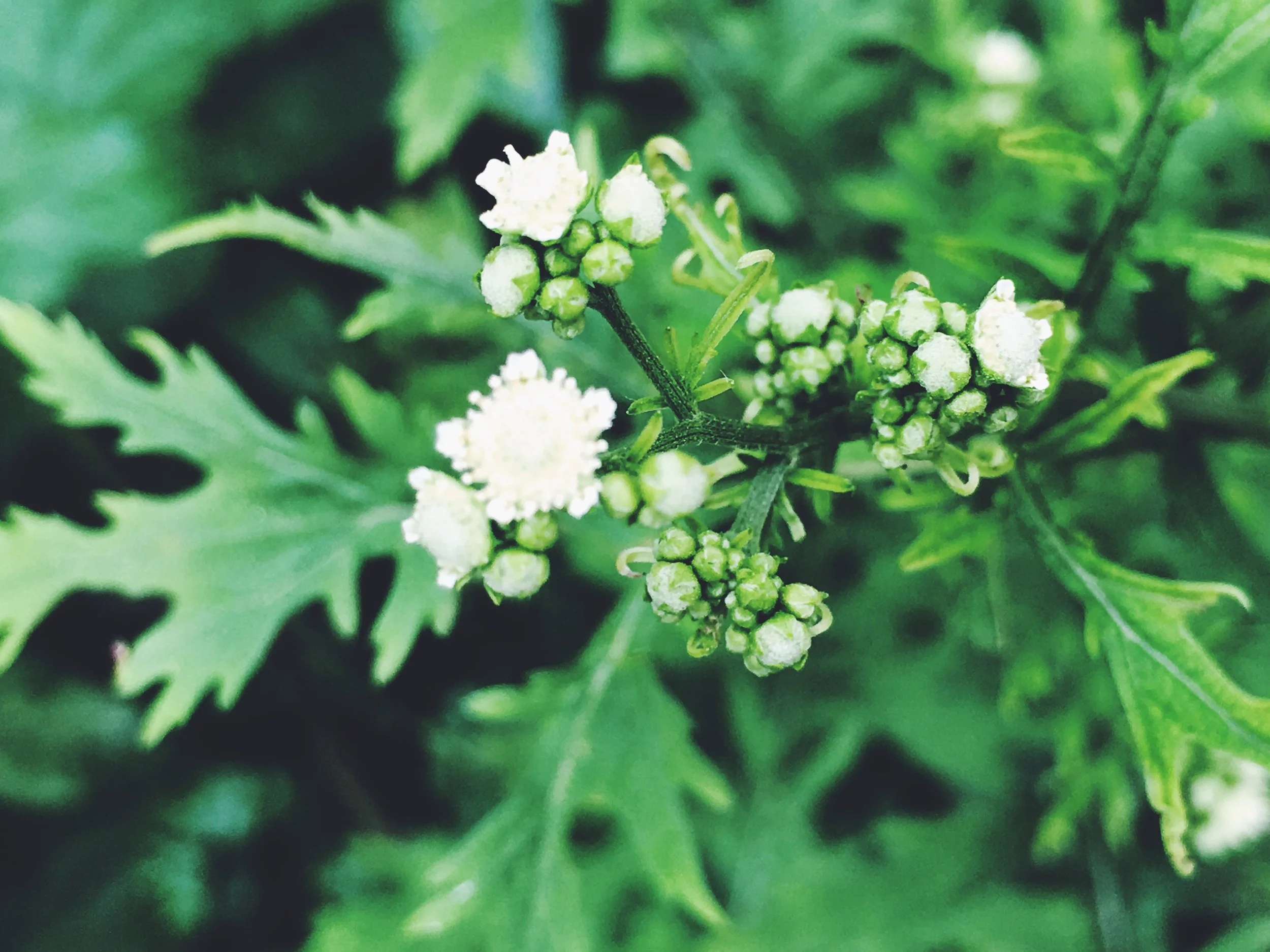
Artemisa Vulgarius (Mugwort, Burot), found on the banks of the Bagmati River, Nepal
Green Growth Group: Organic farming meets storytelling, technology, and alternative economic futures in Nepal
In an economy struggling to stabilize itself after the devastating earthquakes of 2015, innovative solutions from the younger generation of changemakers brings hope for the future of the Himalayan country. Saurav Dhakal and his Green Growth team are creating waves of positive impact for both local communities and the national food systems, and several similar initiatives are sprouting at the foothills of majestic mountain ranges.
In an economy struggling to stabilize itself after the devastating earthquakes of 2015, innovative solutions from the younger generation of changemakers brings hope for the future of the Himalayan country. Saurav Dhakal and his Green Growth team are creating waves of positive impact in both local communities and the national food systems, and similar initiatives are sprouting across the foothills of majestic mountain ranges. Scroll down for photos!
A run-down white van comes to pick me up in at the break of dawn in Bakhundol, Kathmandu. Inside, I find Saurav Dhakal and two younger students who are coming with us to assess the opportunities for a permaculture project. We are headed to Patale Gau, South-East of Kathmandu Valley. In an effort to find quality, pesticide-free vegetables in Nepal, I have finally found Green Growth Group - a newly established initiative which combines traditional artisan farming with innovative technology to deliver fresh vegetables to a hungry market. By registering on the Green Growth website, you get a weekly call and can choose from a large variety of products delivered in a basket on your doorstep. Apples from Mustang, sweet oranges from Sindhuli, walnuts from Jumla - all organic.
We arrive at the farm in less than an hour, and are greeted by Dinesh and Govinda, who are managing the project on site. On a clear day, you can see the whole Everest mountain chain to the North of the land. From where I am standing, I can see ginger plants, ground apples, lopsi fruit trees, turmeric, and a large herb garden with lemongrass, stevia, mint, rosemary, and menthol.. The list grows as we explore the gardens. 25 years ago a German named Hans Hoffer started a farm in the area called Organic Himalayan, and taught the local community about organic farming and permaculture techniques. Although the venture closed some years ago, the knowledge is still alive, and the Patale Gau farm today functions as a vibrant learning ground for best practices.
Challenging the profit-oriented focus of Nepal's current business environment, Saurav wants to redefine the way we think about capital in today's society. He believes that the new goal for the youth of Nepal should be to increase the quality of life, and focusing on natural capital, community-building and economic democracy.
Saurav has a background from Nepal's media scene. After walking the Great Himalayan Trail some years back, he was tired of writing superficial stories about politics and entertainment, and felt a need to adjust his inner moral compass. He realized that his greatest privilege as a journalist was being able to give a voice to things that really mattered. This resulted in StoryCycle, a google-supported storytelling initiative which highlights contemporary issues facing the emerging generation, and geotags the stories to root them in the respective communities. About Green Growth he says, "It is not a food business, it is a story business. The only difference is that the story can now be consumed. The food we eat also has a tale worth telling."
Using online platforms and mobile technology, the Green Growth team is locating organic farms, gathering data on production, producer and consumer communication, listing products and their stories, sharing the narratives on social media, and organizing orders and deliveries of the organic produce. Today, the company has 145 subscribers to the Weekly Vegetable Basket in the Kathmandu valley, and the number is growing by the day. They have also expanded from vegetables and fruits, to teas, brandy, marmalade, and are experimenting new products like coffee plants in some of the associated farms. They charge 20% from the farmers to sustain the venture, and are also responsible for transport, marketing and distribution.
It is a win-win. The initiative is also inspiring for the local communities, who gain a new respect for the work and craftsmanship they are involved in, and a deeper relationship to their produce. "Our intention is to manage the supply chain of organic foods and other systems associated with sustainability with respect to the producers and farm owners", says Saurav. "With this system we are encouraging organic farming with respect for the peasants, by providing them with a fair price for their product".
With the innovative combination of organic farming, creative value chain management, community ownership and mobile technology, the Green Growth model stands out as a solution that could have a positive impact towards authentic systems-change in Nepal. The story-element of the process also gives a much needed voice the nature of Nepal, which is undergoing extreme challenges in the midst of earthquakes and climate change. The idea is now being cross-pollinated across the country, and new seeds continue to be planted..
"We are continuously experimenting with new solutions", says Saurav. "We are currently looking into establishing a nursery for trees in a villages where there are a lot of migrant workers. The workers are not able to maintain large agricultural projects, but a tree can be planted and bear fruit within the three years it takes for them to come back. You know, I have always loved this Chinese proverb - a good time to plant a tree was twenty years ago and the best time is now."


Ramayana // Janaki Mandir
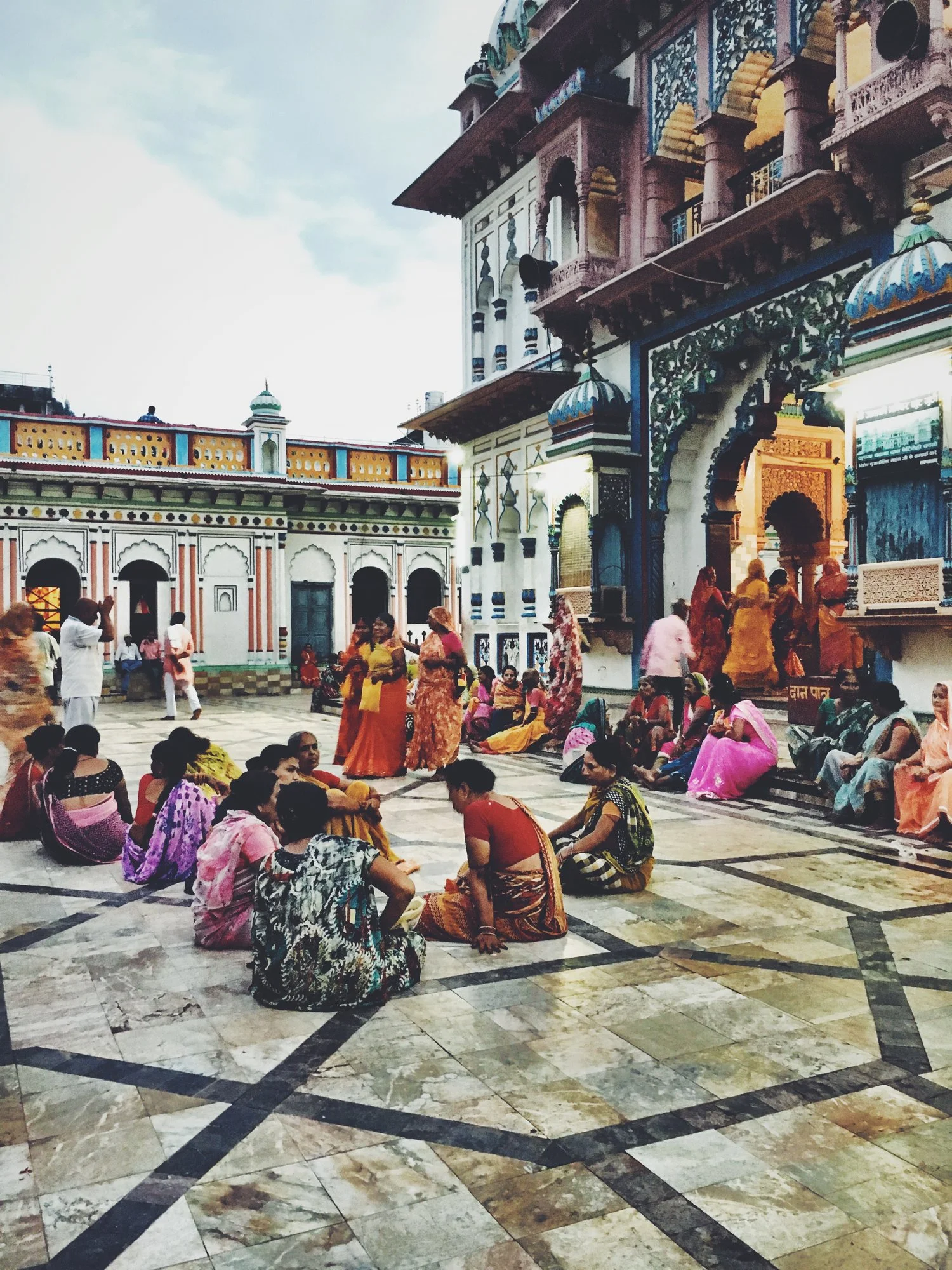
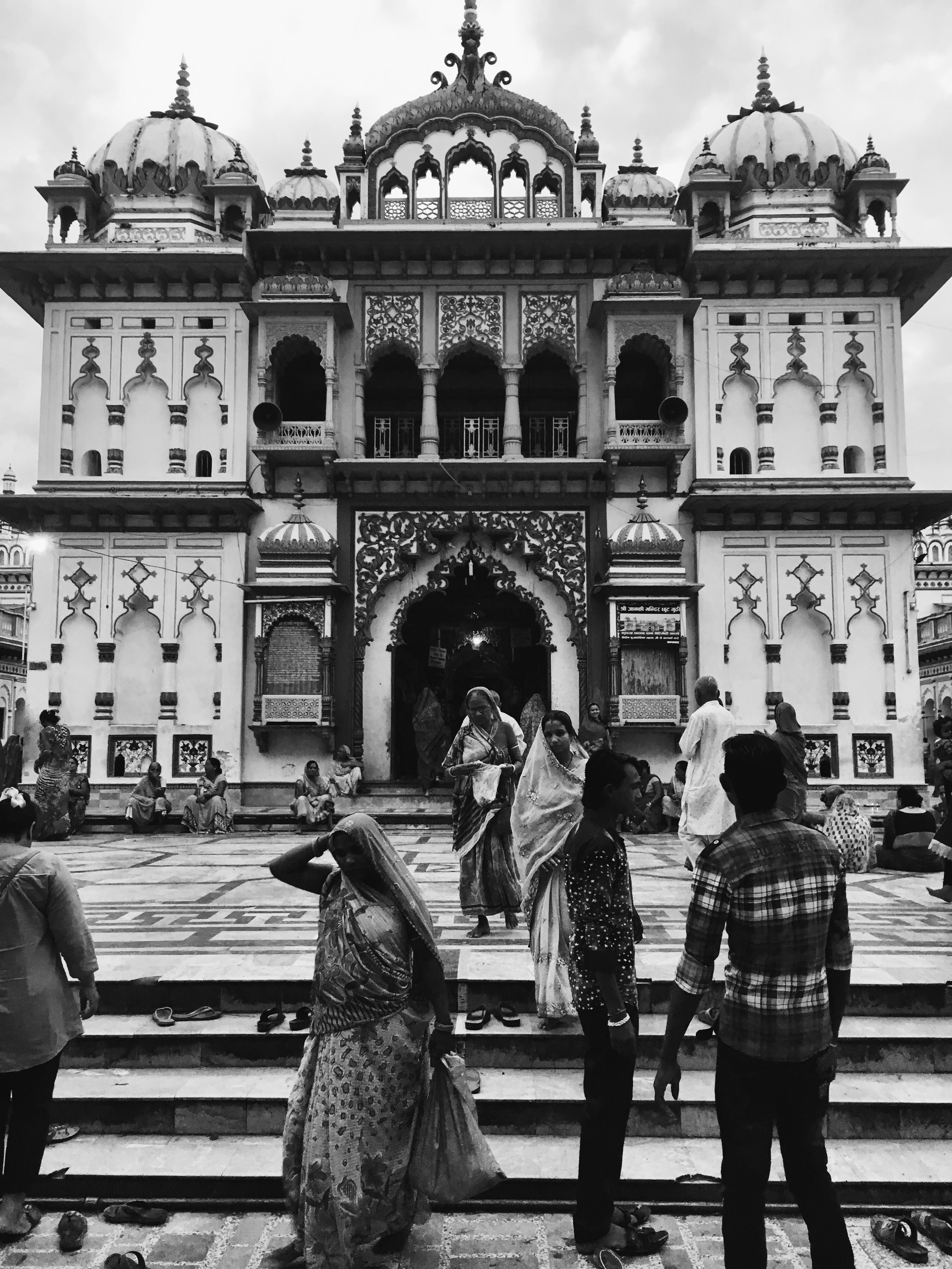
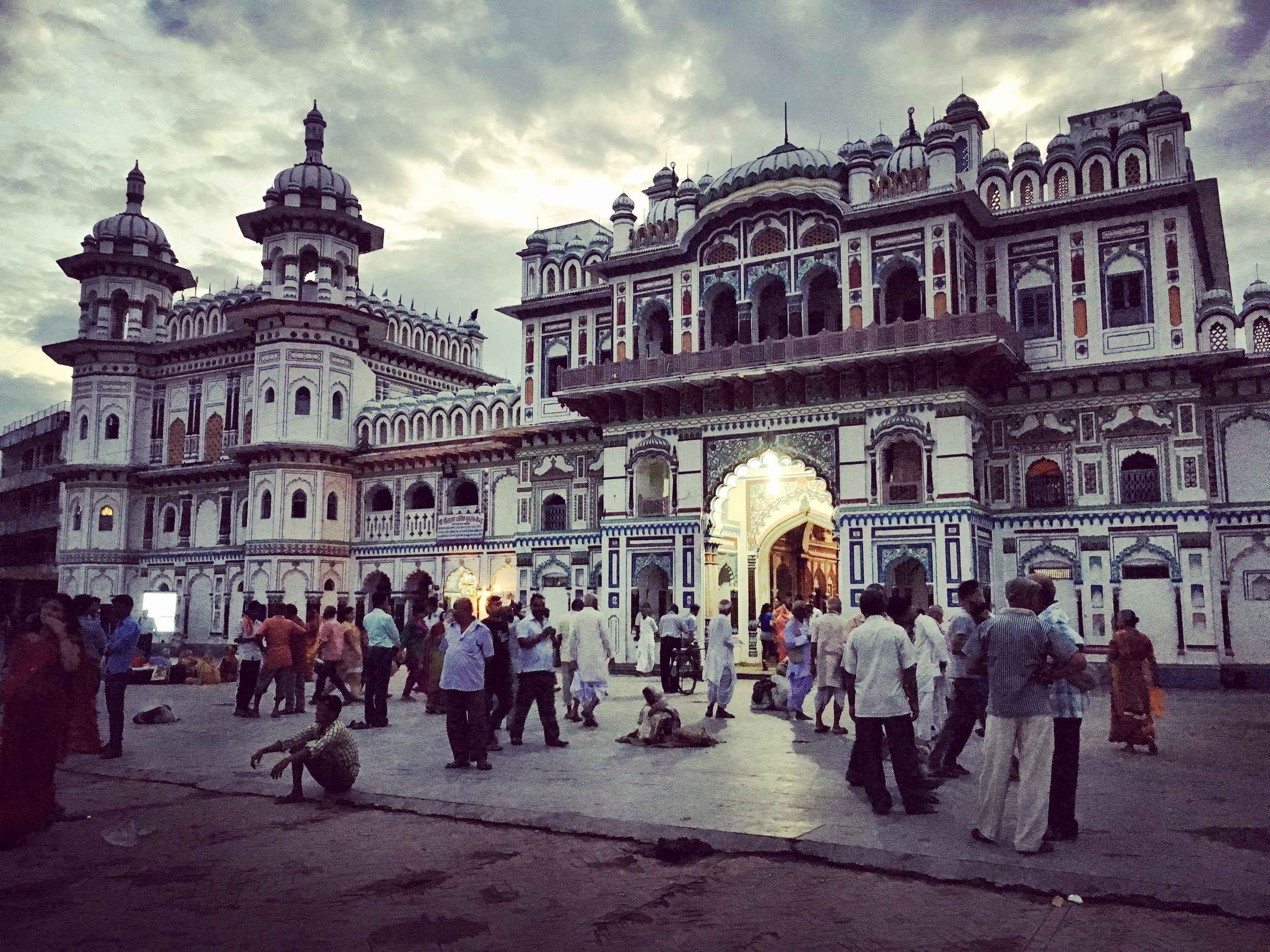
Coincidentally find myself in the heart of Janakpur, at the steps of the marble temple 'Ram Janaki Mandir' (Nepali: जानकी मन्दिर), dedicated to the Hindu goddess Sita, Rams wife and the heroine of Ramayana. It is the primary temple of the Maithali native indigenous.
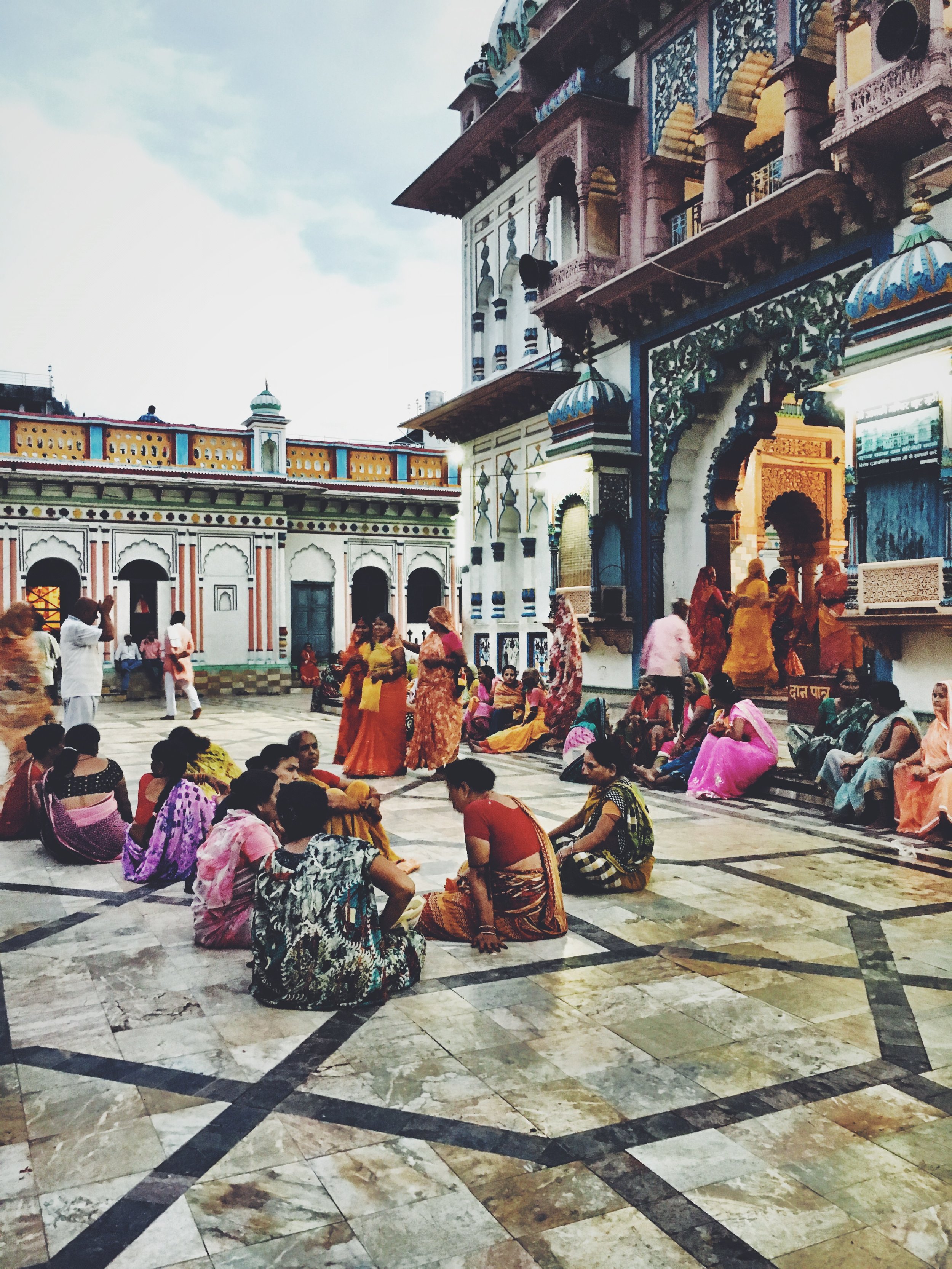
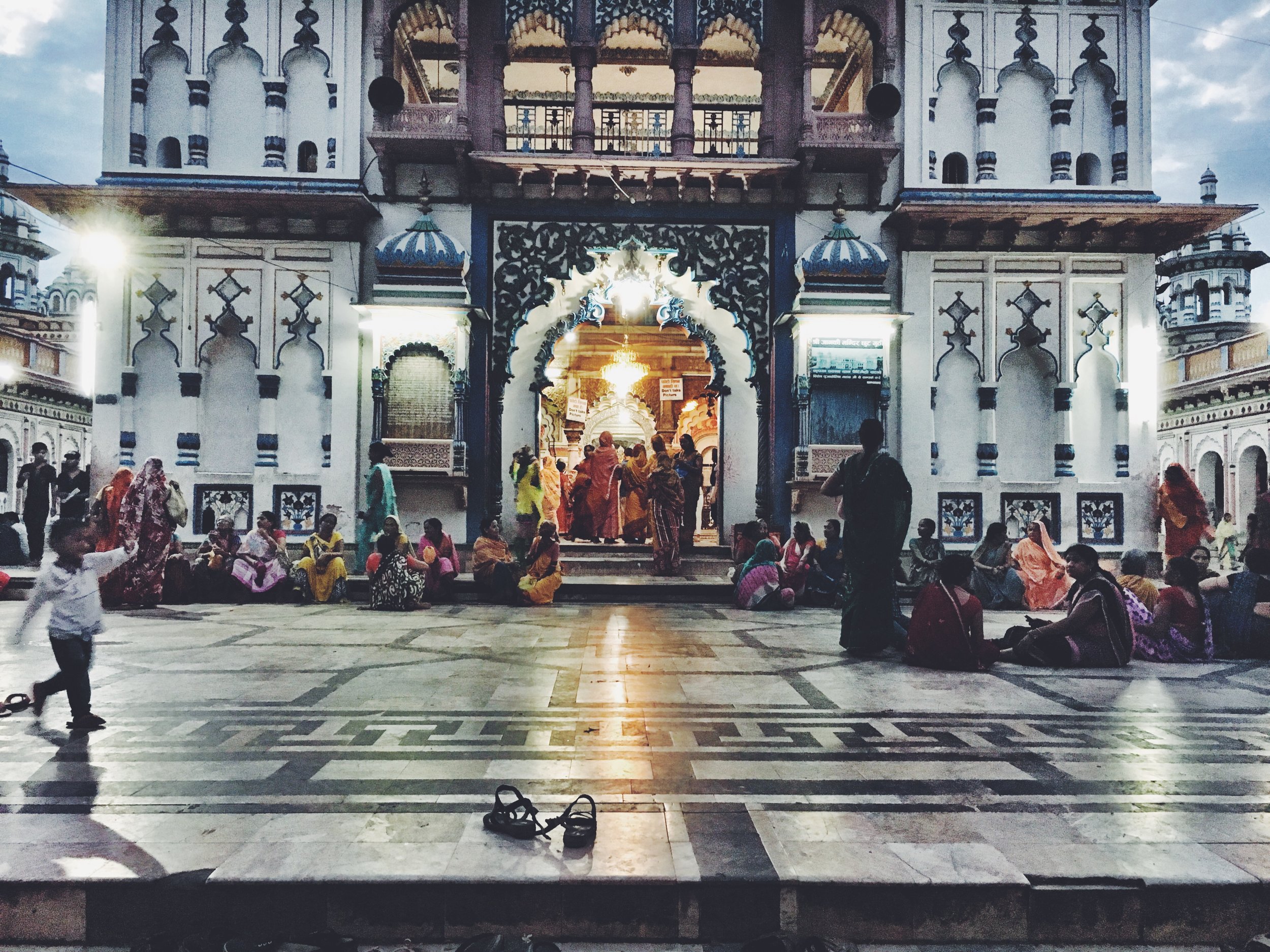
Tomorrow is the night of the new moon, and the female creative energy is building.. Women gather outside Sita's temple at dusk. The relationship between Rama and Sita symbolizes two entities coming together to form a whole - which also coincides with the celestial union of the sun and the moon coming together in the sky.. Sita is said to have been born out of the womb of the earth itself, and is known in Hindu mythology for her dedication, self-sacrifice, courage and purity.
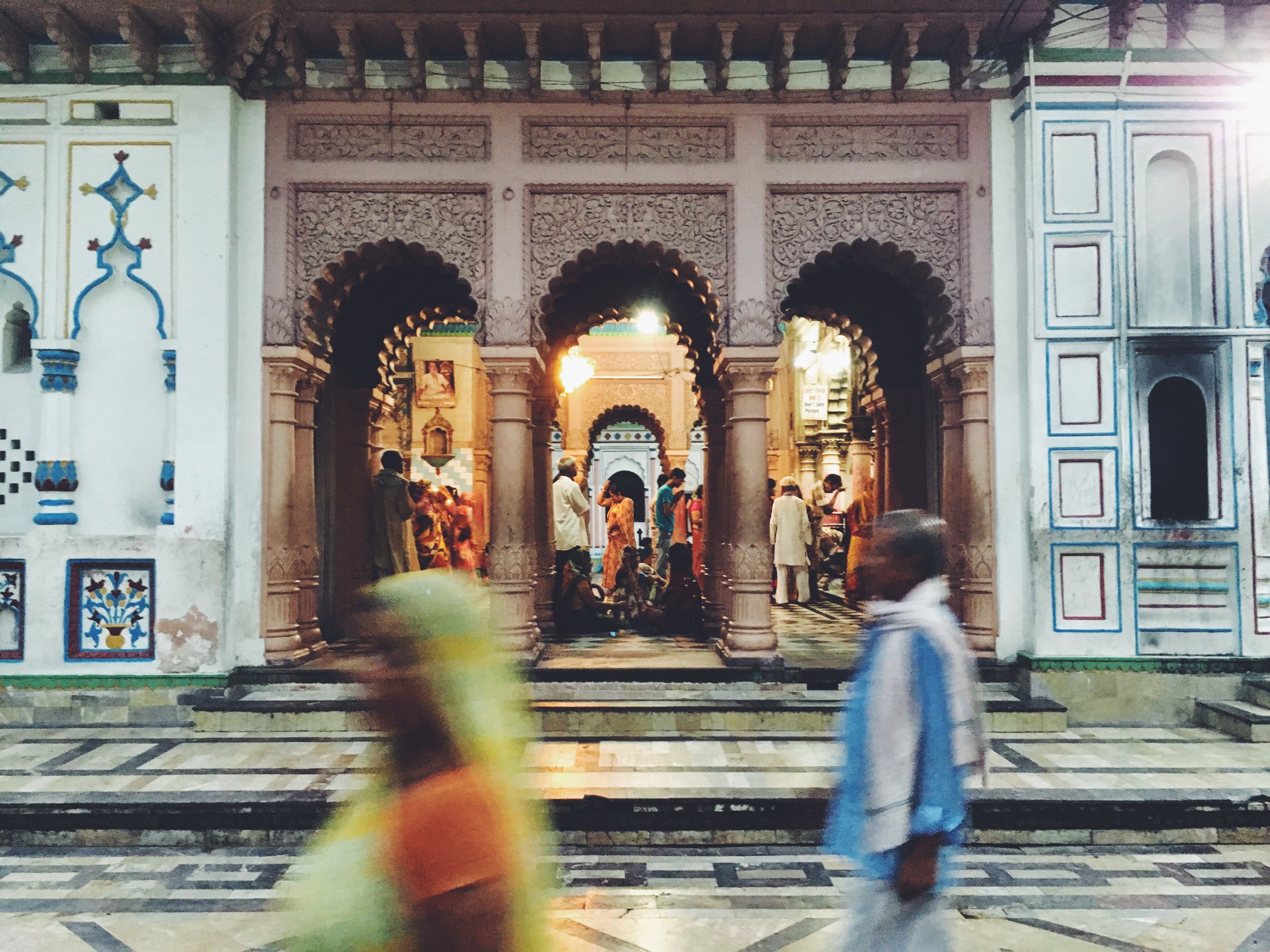
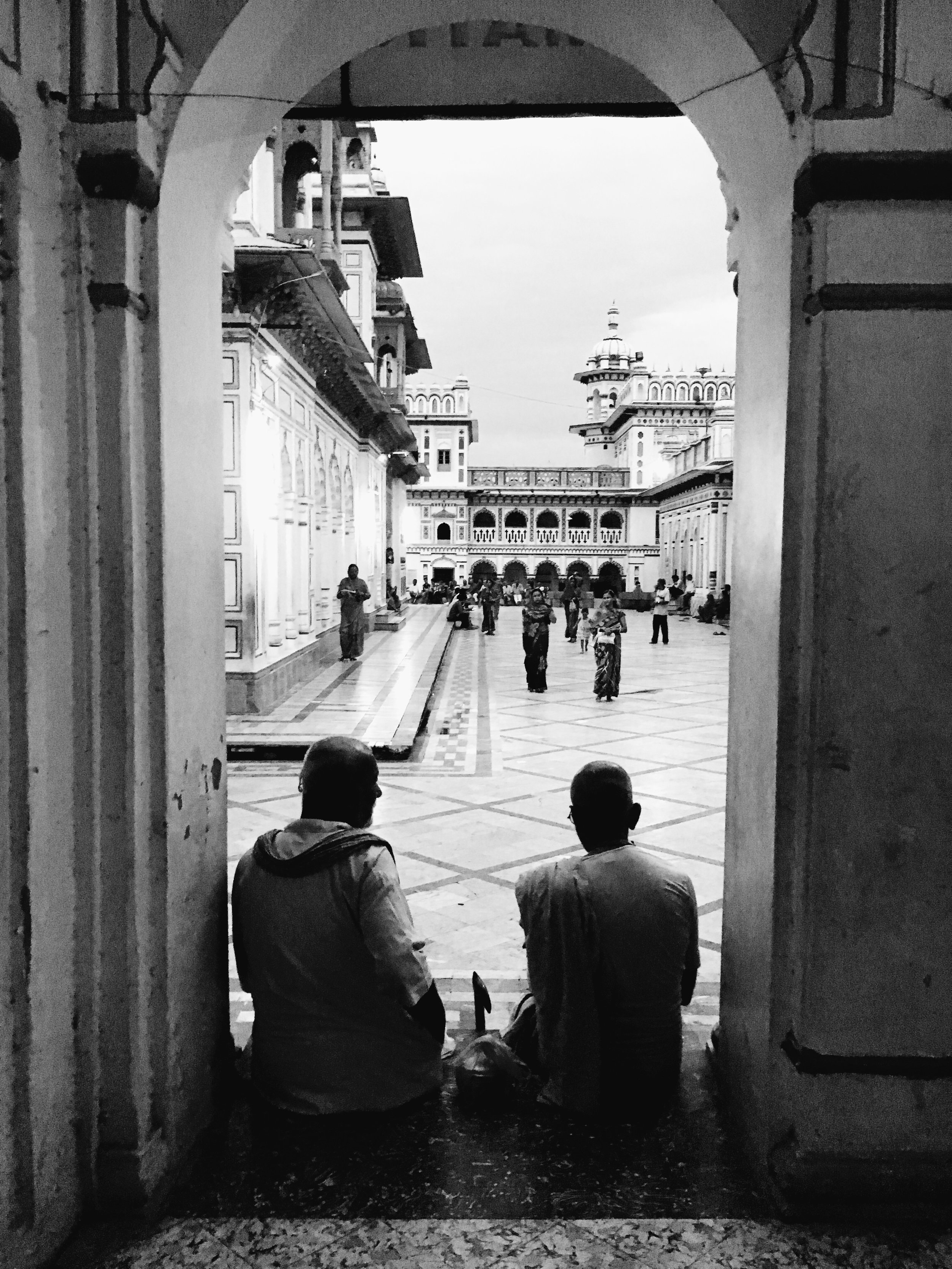
A steady stream of pilgrims flow in through the gatehouse to worship the goddess in the inner sanctum... Sita ram ram ram, sita ram ram ram..



She Changes Everything She Touches
What is the power of a woman who has opened to the sacredness and Divine truth of herself? What happens when she has the courage to bring the inner light outwards? What transpires when she softens her hard edges, plants her bare feet on the soul of the earth, opens her sacred channels to the Ancient Ones and declares, "Yes, I am ready to be seen?"
She changes everything she touches.
The pulse of Life that was given as she incarnated as feminine form, housing extraordinary creative and healing powers, begins to throb faster, deeper, with a rhythm in tune with the universal, eternal heartbeat.
With each throb, each memory-stirring resonance, each vibration subtly speaking ancient words of remembering, She begins to come alive to Her Shakti Essence. This is a conscious, intelligent, prescient, truthful and profoundly transformative energy.
She begins to change. She feels changes on the inside, calling her to a Old Dance that can be heard up in the hills, up in the mountains, out near the sea. The Dancing is in time to a sensuous and seductive rhythm, and there are voices, chanting, music, laughter. It is the sound of women who are in love with themselves; in love with the Earth; in love with the oceans; in love with the sky. It is the sound of women changing, and supporting one another as they do so. It is the sound of women loving, with pure sacred force, and bringing their love to all places that are wounded, terrified, shaking, and lost.
The circles of women who are dancing realise that they change everything they touch. They realise that their powers are immense, omnipotent, unfathomable, essential. They have been reminded by the Great Goddess that if they do not rise up now, if they do not open themselves to this energy, this support, this love, this power - that the promulgation of the Divine Feminine light will greatly suffer.
It is time to remember that when She is in connection with Her deepest knowing, Her deepest wisdom, Her deepest intuitive responses, her deepest healing medicine, her deepest loving heart - She Changes Everything She Touches.
Her Light will affect every room she enters. It will alter the balance of energies within every person she encounters. It will spark off transformation and healing within each and every situation that she is brought into contact with.
She has a power that has been gained through lifetimes of learning and practicing with the Great Ones, lifetimes of pulling herself through ritual after ritual, rite after rite, initiation after initiation. She has worked from dawn until dusk, through the night, hour upon hour, breath upon breath, to hone and develop the Sacred Essence of Woman. She has worked hard, and long, to prove to the Goddess that she is capable of this mission. She is trustworthy, pure, wild and infinitely connected to Light.
She can bring down the energies, she can pull up the healing, she can work her magic with lightning-speed - all without you ever knowing she is doing anything. You are probably just chatting with her. You might be receiving a hug from her. You may be walking with her. You might be asking her to use her abilities just for you. You might even be making love with her. Be prepared, for a level of transformation to occur that is relative to the level at which you have engaged her energy field.
You must be aware of who you are dealing with. These women are everywhere now, but they are usually unrecognised by the masses. Those who 'know' will see them instantly, by the way their bodies shimmer and glow with truth; their eyes appear like Mysteries, rich with knowledge that pierces the Soul; their hearts seem to embrace, comfort and cherish without a single word spoken.
They are magnetic, unforgettable and ravishing, because the Goddess is alive within them. Wave upon wave of nourishing light emanates from their bodies and flows to where it is needed - healing, restoring, transmuting. Powers such as these have long been forgotten on our planet, so it may come as a surprise when you are touched by this energy that you cannot understand nor forget. When you meet her, only remember this.
She Changes Everything She Touches, so prepare to be changed.
She Changes Everything She Touches, so realise that you called her into your life for a reason.
She Changes Everything She Touches, so be aware that she will bring up in you what needs to transform.
She Changes Everything She Touches, but don't ask her how she does it.
Those kind of secrets rest in the sacred vaults of Heaven, the most hidden natural places on Earth, the most arcane tombs and temples of the Mystery.
Someday, in the very distant future, you may get to witness her Divine methods and be permitted to enter her private, sacred domains of healing and magic. This day is a long way off. Until then, all you need to know is this:
She changes everything she touches.
Forever.
- Sophie Bashford
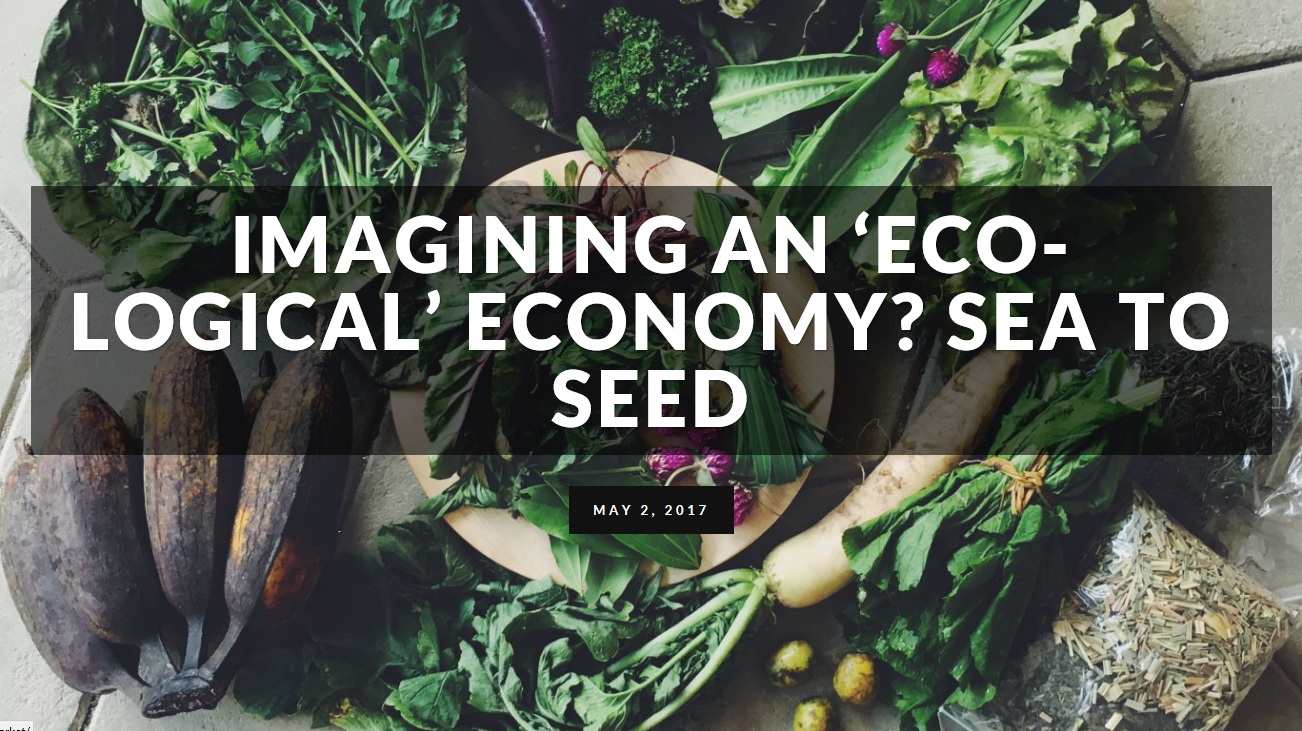
Imagining an 'Eco-Logical' Economy?
I have never had a good relationship with the word ‘economy’. To me, the word made me think of finance regimes, rent, speculation, capitalistic crocodiles and frantic traders addicted to computerized screens. I wanted to study relationships between the members of our global tribe, humanitarian crises and how to create peaceful communities. Despite the resistance, I ended up studying at London School of Economics, with political science and ‘development economics’ – and remember immediately reacting to the distinction between ‘developed’ and ‘less-developed’ countries. For is Norway not also a country undergoing continuous economic development? And is it not these so-called developed countries who are the main decision-making forces in the global economic system – which in turn is the source of the extreme inequalities in the world today?
My frustration grew. I protested against the financial crisis with the Occupy Movement in London, sought answers from Chang, Piketty and Polyani, Escobar, Macy and Næss; and marched against Monsanto in the streets of Oslo. I had a deep need to understand how all these crises were connected – without having to resort to books on finance, derivatives and formulas. It did not feel logical. And I felt the anxiety building up inside me – rooted in a feeling of hopelessness. Of facing an enemy that not only was invisible, but also a product of human kind’s own actions over time. A neoliberal system that had grown so large and powerful that there was no way back. For how could we possibly make any progress when not even the politicians in my home country Norway understood the dangers of dumping mining waste in the Norwegian fjords, the effect of poisonous pesticides on the dance of the bees, and the consequences of drilling for oil in the North? Part of me wanted to run away from it all.
I ran away to our cabin in Vestfold. To breathe. Too ground myself. Barefoot, I began walking the usual path through the woods, passing the abundant fields of barley and potatoes. Felt the sand under my feet as I came closer to the ocean, where the seaweed was floating softly underneath the surface. A place where my mind and thoughts are undisturbed. “It is not logical. It is not ‘eco-logical’. And the solutions do not lie in what I am against, but rather – what I am for.”
Towards a heart-mind economy
The word ‘economy’ derives from the greek language, from οἶκος (oikos; house) and νόμος (nomos; custom, law), i.e. rules of the house, or household. Could it then be said that a balanced economy is a system which ensures that resources and values are sustainably managed between people of a common household? An economy which exists and develops in a balanced symbiosis with nature, and not against it? I am for recreating a balance. For moving from what destroys to that which creates. I am for an economy built on both the intellectual and the emotional ‘logos’ – uniting the mind and the heart in authentic relations between people and nature. I am for taking back the original meaning of economics.
So how do I get there? How can humanity get there? How can the balance be restored? To me, this project began with a seed in the shape of an idea, which slowly sprouted and blossomed into the book ‘Growing a New Economy – Beyond Crisis Capitalism and Environmental Destruction’. We wanted this text to be a source for people who ask themselves the same questions, and were eager to understand how today’s economic system works, how we managed to create it in the first place, and how we can begin transforming it.
Environmental activist and author Naomi Klein writes: “We live in a time of overlapping crisis, and we need to connect the dots, because we don’t have time to solve each crisis sequentially. We need a movement that addresses all of them.” With the book, we aim to tell the story of how everything is connected – and that the solutions to the individual crises cannot be seen in isolation from each other. Our greatest challenges are not global warming, resource depletion, pollution or financial shocks – these are only symptoms of an economic system that is neither sustainable, nor fair. Symptoms of an imbalance in the deeper structures of the planet’s own immune system – in the very logic of our economic operating system. Is it logical to create a system which necessitates increased economic activity and spending, leading to the destruction of our natural environment?
We are facing a fundamental value question. It evolves around the lifestyle and worldview that the so-called developed countries have become accustomed to in the last couple of decades. A lifestyle which directly contributes to destroying the most sophisticated and effective systems we have for converting natural resources to natural life forces – the ecosystems. Already in 1997, a report was released which presented an estimate of the services provided by the global ecosystems, through e.g. pollination, the ocean’s recycling of nutrients, climate stabilisation and biodiversity. The scientists agreed that the value was around 33 trillion dollars, double the amount of the global GDP at the time. And I haven’t even begun to talk about the priceless value of our time spent re-connecting to nature!
Re-calibrating our economic compass
As people begin experiencing and feeling a closer connection to their local ecology, my hope is that start asking more questions about how, why and what we invest our money and resources in. I am for an economy which unfolds from humankinds’ inherent ability to collaborate on imagining new realities and solutions towards taking care of our extended household. Alternatives such as co-operatives, basic income, permaculture, food education, and revived knowledge about technologies – which will increase our quality of life and reduce our ecological footprint. That our relationship to nature is weaved closer into our own personal identities and social fabrics.
It is also a case of bringing these questions into classrooms, and that we from an early age learn about natures’ innate value and work continuously to make sure it is well protected. As we speak, millions of students from well-respected institutions of higher education are engaging in the global conversation on how to reform courses on neo-classical economic teaching, dominated by free market theory, and ignoring the current system’s effect on our environment.
If our values are not reflected in our personal lifestyle, they will not be reflected in the society we wish to create, and we will lack the moral strength to oppose the disillusioned political forces. As long as the ’free’ markets, green washed versions of capitalism, and financial systems out of control are placing limitations on nature’s own cycles, the symptoms of the disease will continue to show. As Wendel Berry eloquently puts it; “Whether we and our politicians know it or not, Nature is party to all our deals and decisions, and she has more votes, a longer memory, and a sterner sense of justice than we do.”
We are now experiencing a time of critical need to re-calibrate our economic compass and introduce new theories for how we manage our common household. Through a decentralised, democratic and circular economy – rich in cultural diversity, the time has come to facilitate innovative solutions grounded in both modern and ancient wisdom and practice. This said, systems change does not happen over night. It will emerge from the grassroots, and grow steadily alongside a generation who not only know what we are against, but most importantly – what we are for.
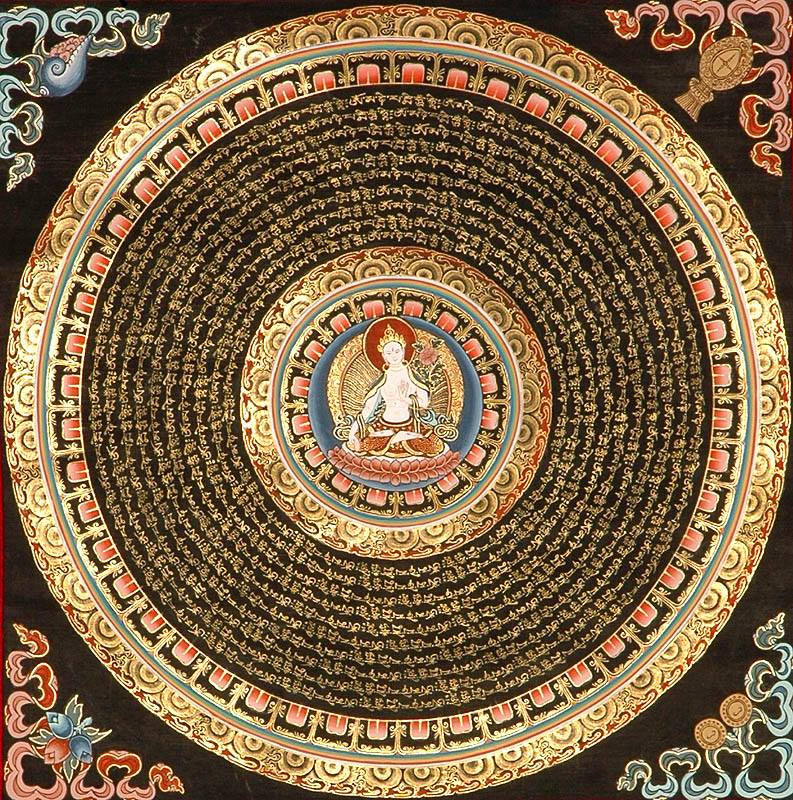
The White Tara
The art below is a traditional Nepali 'thangka', a Tibetan Buddhist scroll painting, often with Buddhas or mandalas. THANG KA is a Tibetan word meaning ‘recorded message’.
This piece is dedicated to the Goddess Tara - an archetype of our own inner wisdom. She guides and protects us as we navigate the depths of our unconscious minds, helping us to transform consciousness, our own personal journeys of freedom. Reminding us of our ‘oneness’ with all of creation and the importance of nurturing the spirit within.
Traditionally, Tibetan monks and lamas used the thangkas to instruct the Buddhist Dharma teachings to the nomadic population. As they are scroll paintings, they were easily transported and unrolled, for example in a village far from the monastery. The villagers would gather in the main square around the lama, who would point (with a stick) at the different parts of the thangka and to illustrate his stories.
Adopted by Buddhism, Tara become the most widely revered deity in the Tibetan pantheon. In Buddhist tradition, Tara is actually much greater than a Goddess — She is a female Buddha, an enlightened one was has attained the highest wisdom, capability and compassion. One who can take human form and who remains in oneness with the every living thing. In the legends of Tibet where the worship of the Goddess Tara is still practiced in the Buddhist tradition, it is told that the Goddess Tara is the feminine counterpart of the Avalokitesvara, the Bodhisattva who is reincarnated as the Dalai Lama.
Tara’s themes are Universal Unity, peace, cooperation, destiny, energy and spirituality. In Hindu mythology, Tara is a star Goddess who encompasses all time and the spark of life. She extends this energy to us, fulfilling our spiritual hunger. In so doing, Tara strengthens our understanding of the Universe and its mysteries and gives us a glimpse of our destiny.
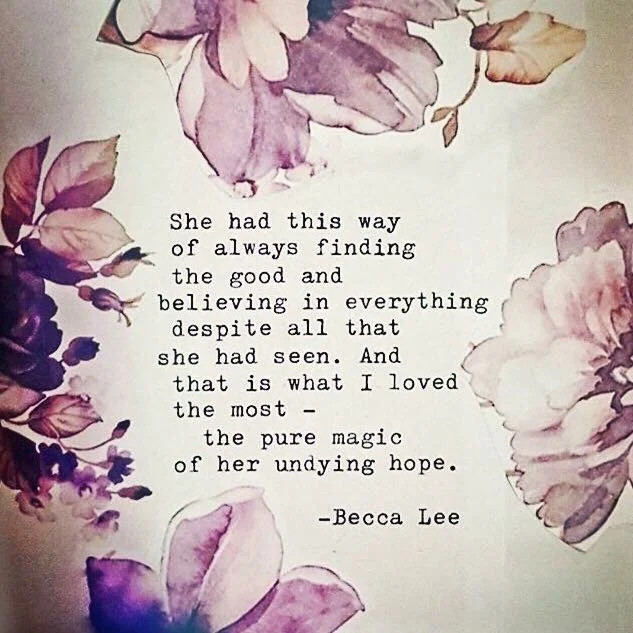
Conscious Choices of 2016
I just got challenged to make a list of conscious choices I have made this year to make the world a better place. I have to travel a lot with work, which equals a high Co2 footprint and a bad conscience, so I decided to make some adjustments and take responsibility to help balance it out somehow. Every footprint matters.
- Drastically reduce plastic waste. I try not to buy anything that is wrapped in plastic, always bring my own bags to the store, avoid drinks from plastic bottles, etc.
- Make an effort to bring back the wisdom of the sages, indigenous knowledge and lessons, and apply them in my daily life. There is a great peace to be found in creating rituals for yourself, paying respect to the sacred in your life, whether it is expressing your gratitude for all the joys surrounding you in the morning or just lighting a candle for humanity in the night..
- Make your own hygienic products. Baking soda is a great substitute for shampoo, apple cider vinegar for conditioner, aromatherapy-infused coconut or argan oil for the skin and choosing conscious brands for face paint/makeup.
- Every time you spend money, you are choosing the world you want to live in. I have spent less than 400$ on new clothes this whole year. I get most of my clothes from markets around town + trading with other people, and still manage to feel professional and sharp (believe it or not). In our flatshare, almost all the furniture and kitchenware have had other homes before. #thesharingeconomy
- Find mentors. Stay in touch with the men and women of all ages if they have something to teach you. I have a handful, and keep returning to them when I feel like my inner compass is spinning off course.
- Beach cleanups. Marine plastic pollution is the worst. Every time I am by the sea (often, having to remain sane in the city), I bring a bag and collect whatever it is that people have used the ocean to get rid of. Bring a friend and share the love, you’ll be surprised how many people will stop, ask, and learn. In yoga philosophy, they call this karma yoga, selfless service to others AND the environment.
- MEDITATION. Create a quiet space in your mind and fill it with light. Breaking down the barriers and fears that society has built up around you takes a great deal of courage. My friend Åsmund taught me it is okay to cry and that weakness and that true openness is one of your greatest strengths. Yoga and a vegetarian diet also helps the planet breathe <3
- Give back, pay it forward. There are many people in Oslo at the moment that could use some warmth, physically and mentally. Sometimes, a warm coffee or a smile can make someone’s day, think about this when you pass by on your way to and from your busy meeting.
- Engagement. Doing what makes you feel alive and surrounding yourself with people who inspire you and also want to make a difference. Help out where you can.
- Choose your thoughts and words carefully. Thoughts are energy which manifests itself faster than you think. Self-program yourself with visual imagery, books and music that take you on inward journeys. Be positive, and never ever put yourself down, because you are incredible and we love you.
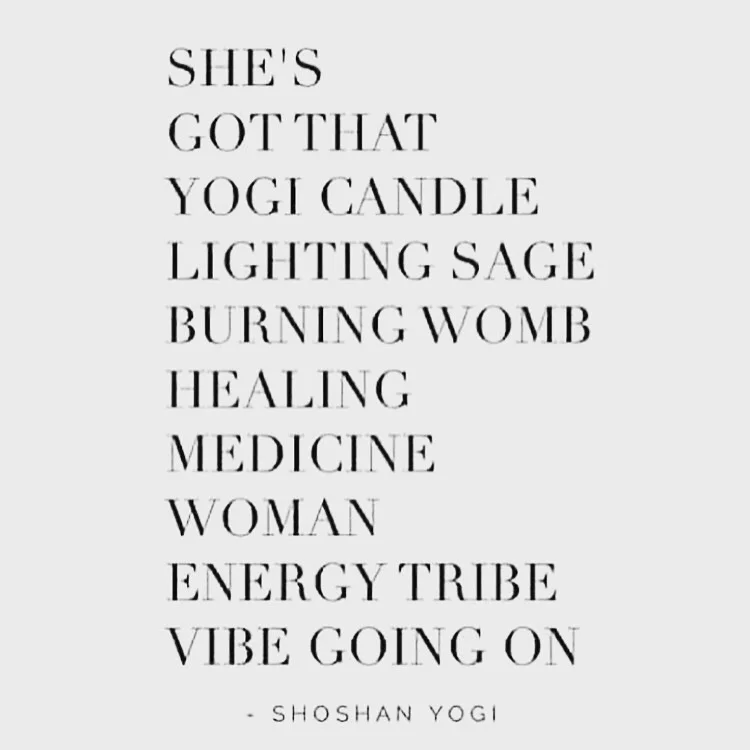
New moon, new needs..
It's all about manifesting your own happiness. Feeling whole and complete. Setting the intention for what you feel is missing in your life. I finally sat down and realized I have to be more conscious about my relationships. So here goes.
I need a man who touches me. Who is emotionally able and can read my every breath. With many layers. A man who sees can read between the lines of the everyday unspoken and will lead me into adventures in unseen worlds. A man who sees the universe in every living being. A man who makes music out of all things alive. A man who sings songs at the campfire, whose soul will howl with me as we run through open landscapes. A man who looks at me and sees art. Whose gaze comforts my body and makes my every cell glow. A man who feels the energy of male and female and travels between the two.
A being who has conquered the chains of time, who knows that we are meant to be mirrors for each other so that we can become our greatest selves in this lifetime or the next. Who knows my greatest weaknesses and strengths and is not afraid of facing either of the extremes. Who knows that experiencing the duality and polarities are necessary in order to expand. Who calls me by my true name and knows how to kindle the heat of the ancient stardust still burning in my DNA. Whose touch melts down the frozen layers that have crystallised around a heart which came here for the sole purpose of loving wildly.
A man who can lead in a tribe and follow in a movement. A man who senses the subtleties of the elements and knows how to use them to his advantage. A man who is not afraid to love.